
Key takeaways
- Age Range Description: Adult
- Mount Type: Doorway Mount
- Item Dimensions W x H: 37"W x 20.2"H
A doorway pull-up bar lives or dies on one detail nobody puts in the product photos: your door frame. The bar itself is a steel tube with foam grips — cheap to make, hard to get wrong. The trim around your door, though, is usually 3/4-inch pine nailed to a jamb, and every rep you do transfers your bodyweight into that soft wood through whatever contact pads the manufacturer decided to include. That’s why two people can buy the same bar and one gets three years of chin-ups while the other gets crescent-shaped dents above the bathroom door.
I sorted these picks by how they handle load, not by how many “grip positions” the box advertises. What matters is the leverage arm behind the bar, the surface area of the pads that press into your casing, and whether the frame in your home is wide enough and thick enough to accept the design. Below you’ll find bars that clamp, bars that hook over the molding, and bars that need permanent screws — plus a clear read on which door frames each one will and won’t tolerate.
Our top picks
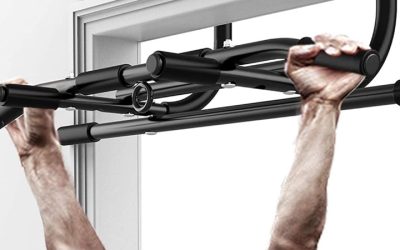
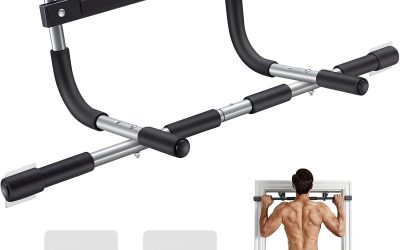
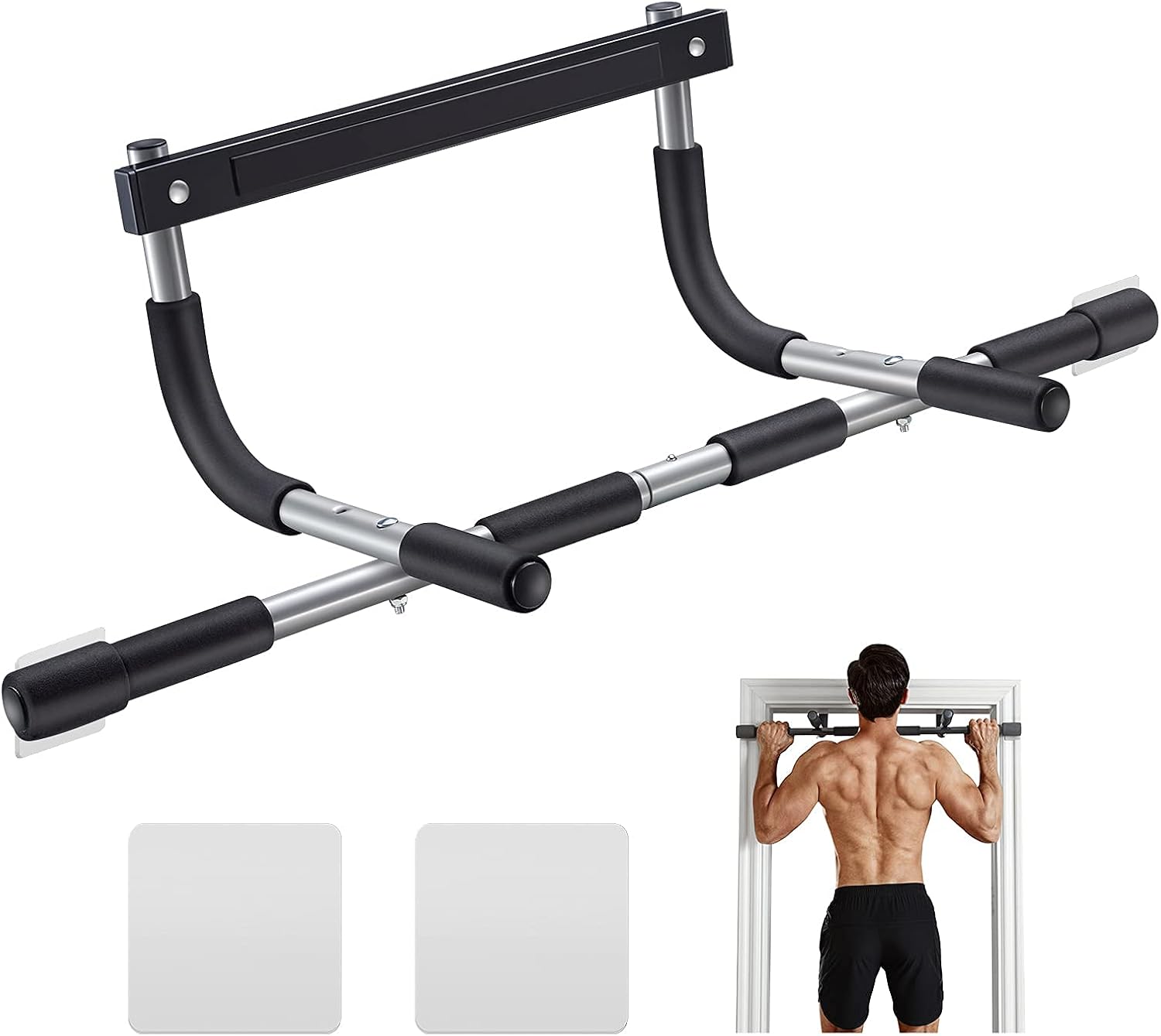 Ally Peaks Pull Up Bar for Doorway
- Age Range Description: Adult
- Mount Type: Doorway Mount
- Item Dimensions W x H: 37"W x 20.2"H


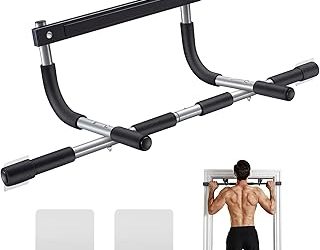
 Sportneer Pull Up Bar for Doorway
- Age Range Description: Adult
- Mount Type: Doorway Mount
- Item Dimensions W x H: 37.01"W x 6.69"H
 KAKICLAY 2026 Upgrade Multi-Grip Pull Up Bar
- Age Range Description: Adult
- Mount Type: Doorway Mount
- Item Dimensions W x H: 10.5"W x 2"H


As an Amazon Associate we earn from qualifying purchases at no extra cost to you. Ratings are shown as listed on Amazon.
Quick Comparison
| Bar | Mount Style | Frame Contact | Best For |
|---|---|---|---|
| Iron Gym Total Upper Body Workout Bar | Leverage / no-screw | Rubber pads on trim + top of jamb | Renters testing the waters |
| ProsourceFit Multi-Grip Chin-Up Bar | Leverage with wide crossbar | Broad foam-backed plates | Spreading load over soft molding |
| Perfect Fitness Multi-Gym Pro | Leverage, adjustable width | Contoured pads, padded uprights | Odd or narrow openings |
| Ultimate Body Press Doorway Bar | Screw-in brackets | Fastened into jamb studs | Kipping, heavier lifters |
| Sunny Health & Fitness Doorway Chin-Up Bar | Bracket-mounted, removable bar | Anchored plates above opening | Small rooms, walk-through doors |
| Garren Fitness Maximiza Pull-Up Bar | Leverage, extra-long pads | Full-length foam strips | Painted trim you want to keep |
How to Choose
- Measure the trim, not the opening. Leverage bars hook over the molding at the top of the door, so you need casing that projects at least an inch from the wall and sits proud of the jamb. Flush, trimless modern openings simply cannot hold this type of bar.
- Check the door width against the adjustment range. Most no-screw bars fit roughly 24 to 36 inches. Wider archways and doubled openings need a screw-in bracket or a different tool entirely.
- Confirm the stated weight capacity on the current listing. Manufacturers quietly revise hardware and ratings between production runs, so read the spec on the page you’re actually buying from rather than trusting a number from a review.
- Look at pad surface area. Two small rubber feet concentrate force into two small dents. Long foam strips or wide backing plates distribute the same load across several inches of wood and are the single best predictor of undamaged trim.
- Decide honestly whether you’ll kip or swing. Static pull-ups, negatives, and slow reps are fine on leverage designs. Dynamic movement, knee raises with momentum, or hanging a suspension trainer belong on a screwed-in bracket.
Top Picks Reviewed
Iron Gym Total Upper Body Workout Bar
The bar that defined the category, and still the sensible default for anyone who can’t put holes in a wall. It hooks over the top molding, braces against the frame, and comes off in about four seconds when your landlord knocks. The multi-grip shape lets you do neutral, narrow, and wide pull-ups, and the bar drops to the floor for push-ups and dips off a chair. Its weakness is pad size: the contact points are modest, so if your trim is soft pine and you weigh over 200 pounds, add a folded towel or a strip of thin rubber underneath.
ProsourceFit Multi-Grip Chin-Up Bar
ProsourceFit’s version widens the crossbar and puts noticeably more foam behind the plates that meet your casing. That single design choice is why it earns a spot here — the load spreads instead of pinching. Assembly is straightforward, the grips are firm rather than mushy, and the geometry keeps your head clear of the frame on ordinary 80-inch doors. Tall users in low openings will still bump; that’s physics, not a flaw in this bar.
Perfect Fitness Multi-Gym Pro
The most adaptable no-screw option. Width adjusts, the uprights are padded along their length, and the contoured pads sit more evenly on trim that isn’t perfectly square. If your apartment has one weirdly narrow hallway door or casing with a rounded profile, this is the bar most likely to seat properly. It also feels the most solid of the leverage designs at the top of the rep, where wobble usually announces itself.
Ultimate Body Press Doorway Pull-Up Bar
When you’re done pretending a clamp will hold forever, this is the upgrade. Brackets screw into the framing above the door, the bar drops into them, and the whole assembly stops flexing. Rated capacity is well above the leverage bars, and the fixed mount makes knee raises and controlled kipping reasonable. You are committing to patched screw holes later, and you must hit solid jamb or header material — find it with a stud finder before you drill.
Sunny Health & Fitness Doorway Chin-Up Bar
A minimal bracket system whose best trait is disappearing. The bar lifts out, leaving two low-profile plates above the opening, so the door still gets used as a door and the room doesn’t feel like a gym. Good for tight bedrooms and hallways. Grip variety is limited compared to the multi-grip leverage bars, so pair it with rings or a towel if you want pressing and rowing variations.
Garren Fitness Maximiza Pull-Up Bar
The pick for anyone protective of freshly painted trim. Its long foam strips run the full width of contact, which turns point pressure into distributed pressure and keeps paint intact through daily use. It’s also quiet — less creak from wood compressing than the shorter-pad designs. In exchange, it’s fussier to seat correctly the first time; take five minutes to level it and confirm both sides bear evenly before you hang your weight on it.
Frequently Asked Questions
Will a doorway pull-up bar really damage my door frame?
It can, and the culprit is almost always concentrated pressure rather than the bar failing. Soft pine casing dents where small pads bear down. Wide pads, a folded towel, or a thin rubber shim under each contact point prevents nearly all of it. Inspect the trim after your first week and adjust before marks set.
How much weight can these actually hold?
Leverage-style bars typically list ratings in the low-to-mid hundreds of pounds, and screw-in versions list more. Treat those numbers as static ratings — dynamic loading from a hard kip multiplies force well beyond your bodyweight. Verify the figure on the specific listing before buying, since it varies between versions of the same model.
What if my doorway has no molding?
Then skip the no-screw designs entirely. They rely on hooking over projecting trim, and without it there’s nothing to resist rotation. Use a screw-mounted bracket, a wall-mounted bar, or a freestanding tower instead.
Can I leave the bar mounted all the time?
With screw-in brackets, yes. With leverage bars, it’s better to remove them when not in use — constant pressure creeps into the wood, and every door swing risks knocking the alignment off. Removing also forces you to re-seat the bar each session, which is a free safety check.
Final Thoughts
Pick based on your doorway first and your workout second. If you rent and do straightforward pull-ups, a wide-pad leverage bar like the ProsourceFit or Garren gives you the strength work without the security deposit anxiety. If you own the place, train heavy, or want to swing, spend twenty minutes with a drill and a stud finder and mount brackets properly — the difference in stability is immediate and you’ll stop thinking about the hardware entirely. Whichever route you take, seat the bar carefully, test it with a slow hang before your first full set, and glance at the trim now and then. The bar is the easy part; the frame is what you’re really buying for.

Write Your Review
No reviews yet. Be the first to share your experience!