Key takeaways
- Vacuum high-traffic areas once or twice a week, using suction that does not pull at the pile or fringe.
- Rotate the rug every few months to distribute fading and wear more evenly.
- Use white, colorfast towels for blotting; colored cloths can transfer dye when damp.
- Place a quality rug pad underneath to reduce sliding, cushion the fibers, and limit ground-in grit.
A wool rug brings warmth, texture, and a collected feel to a room, but it also needs a gentler cleaning routine than most synthetic floor coverings. Its natural fibers can felt, shed, fade, or hold moisture if they are scrubbed aggressively or left damp. The good news is that regular care is mostly about using the right method at the right time—not treating every mark as a reason for a full wash.
This guide explains how to clean a wool rug safely at home, from routine vacuuming and spot treatment to deodorizing and sheepskin care. You’ll learn which tools and formulas are worth considering, when a dry-cleaning approach makes sense, and when a professional rug cleaner is the smarter choice.
Our top picks



As an Amazon Associate we earn from qualifying purchases at no extra cost to you. Ratings are shown as listed on Amazon.
🛒 Best Price Today on Amazon
Prime members get fast, free shipping on everything above, plus member-only deals. New members get a 30-day free trial — cancel anytime.
1. Identify the Rug Before Cleaning
Start by checking the care label, manufacturer’s instructions, and rug construction. A flat-weave wool rug, hand-knotted Oriental rug, tufted wool rug, and sheepskin should not automatically be cleaned in the same way. Look for signs of a cotton, jute, or latex backing, since these materials may react differently to water.
Test any cleaner on an inconspicuous corner first. Apply a small amount, blot it, and allow the area to dry completely. Check for color transfer, dullness, stiffness, or a tide mark. If the rug is antique, brightly dyed, heavily soiled, or valuable, skip experimentation and contact a rug-cleaning specialist.
2. Remove Dust and Dry Debris
Thorough dry cleaning comes before moisture. Take smaller rugs outdoors and gently shake them, or hang them over a sturdy rail and tap the reverse side. Avoid beating a delicate hand-knotted rug, which can stress the foundation and loosen fibers.
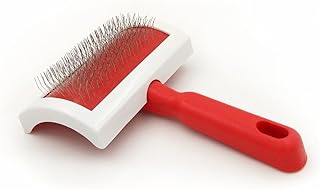
Vacuum both sides when possible. On the face, use suction without an aggressive rotating brush; a beater bar can pull wool fibers, fringe, and raised patterns. Vacuum slowly in the direction of the pile, then use a crevice tool around the edges. For sheepskin, use a soft rug brush such as the CleanSheep Sheepskin Cleaning Brush or MetU Sheepskin Rug Brush to lift the fibers without flattening the hide.
3. Treat Spills and Spots Promptly
For a fresh spill, lift solids with a spoon and blot liquid with white towels. Work from the outside of the mark toward the center so it does not spread. Never rub hard: friction can felt wool and drive the stain deeper.
Use a small amount of cool or lukewarm water only if the rug’s care instructions allow it. Follow with a wool-safe cleaner, applied to the cloth rather than poured directly onto the rug. Products such as Bissell Woolite Advantage Heavy Traffic Carpet Foam 3320 or BISSELL Woolite Advantage Carpet & Upholstery Cleaner 3325 may be useful for compatible carpets and rugs, but always verify the label and perform a hidden-area test first.
Blot repeatedly with a clean, barely damp cloth until residue is removed. Place a dry towel over the area and press gently to draw out moisture. Avoid household bleach, ammonia, enzyme stain removers, hot water, and heavily perfumed products unless the manufacturer specifically approves them.
4. Choose Between Low-Moisture and Wet Cleaning
For light soil or odor, a low-moisture method is often the safer choice. A dry rug powder such as Capture Carpet & Rug Dry Cleaner Carpet Deodorizer & Freshener Powder can be appropriate for rugs labeled as compatible with dry cleaning. Sprinkle sparingly, work it in according to the directions, allow the stated dwell time, and vacuum thoroughly. Powder should not be left in a dense pile or used on a damp rug.
If the rug is washable and the care label permits it, use a dedicated wool wash rather than standard laundry detergent. Outback Gold Wool Wash is a pH-neutral, fragrance-free option designed for wool and other delicate fibers. Use minimal product and cool water, and avoid soaking the rug unless its construction specifically allows immersion. Excess water can cause shrinkage, dye bleeding, backing damage, and a persistent musty smell.
5. Dry the Rug Completely
Drying is as important as cleaning. After spot treatment, press with clean towels and improve airflow with open windows or fans. Elevate the rug on a drying rack or clean surface so air can circulate underneath; do not place it directly on a heated floor or use a high-heat hair dryer.
Keep the rug flat while it dries to reduce curling and distortion. Turn it occasionally if both sides are damp. Do not return furniture until the rug is fully dry, and do not walk on a wet wool rug unless necessary. If a large rug has become saturated, professional extraction is usually safer than trying to dry it indoors.
Tips
- Vacuum high-traffic areas once or twice a week, using suction that does not pull at the pile or fringe.
- Rotate the rug every few months to distribute fading and wear more evenly.
- Use white, colorfast towels for blotting; colored cloths can transfer dye when damp.
- Place a quality rug pad underneath to reduce sliding, cushion the fibers, and limit ground-in grit.
Frequently Asked Questions
Can I steam-clean a wool rug?
Usually, not without checking the care instructions first. Steam and hot-water extraction can shrink wool, release dyes, or damage the backing. A professional cleaner with experience in wool rugs can select a suitable low-moisture process.
How do I remove a musty smell from wool?
Start by drying the rug thoroughly and improving ventilation. Vacuum both sides, then consider a compatible dry-cleaning powder or a pH-neutral wool wash. Avoid masking the odor with fragrance; a persistent smell may indicate moisture trapped in the backing or underlay.
How should I clean a sheepskin rug?
Shake or vacuum it gently, brush the wool, and spot-clean only as directed by the care label. If washing is permitted, use cool water and a wool-safe, pH-neutral wash, then dry flat away from heat. Never wring the hide, as this can make it stiff or misshapen.
When should I hire a professional?
Choose professional cleaning for valuable, antique, oversized, heavily stained, water-damaged, or color-sensitive rugs. It is also the best option when the rug has been soaked, developed mildew, or shows dye bleeding during a test.
Conclusion
The best way to clean a wool rug is to keep moisture controlled, use gentle products, and act early on spills. Regular vacuuming, careful blotting, suitable wool-safe or low-moisture cleaners, and complete drying will preserve the rug’s softness and color. When the construction or value makes the risk too high, professional care is a worthwhile part of the rug’s long-term upkeep.