Key takeaways
- Temperature matters: Never use water hotter than 85 to 86°F (30°C). Heat above 100°F opens the fiber scales and causes irreversible felting and shrinkage, often 3 to 5% after just one hot wash.
- pH matters: Use only wool-safe, pH-neutral detergents in the 5.5 to 8.0 range. Avoid bleach, Oxi-type oxygen boosters, and alkaline cleaners like ammonia or standard carpet shampoos with pH 9 to 11.
- Agitation matters: Wool does not tolerate beater bars, stiff brushes, or vigorous scrubbing. Blot and press instead of rubbing, and always work in the direction of the pile.
Wool rugs are an investment in natural warmth, durability, and timeless texture, but they demand a different approach than synthetic fibers. Wool is covered in microscopic scales and natural lanolin that repels dirt and resists staining when treated correctly, yet it will felt, shrink, and fade quickly if you use hot water, harsh alkalis, or aggressive scrubbing. Learning the right method protects that soft hand-feel and keeps colors vibrant for 20 years or more.
In this 2026 guide, you will learn exactly how to maintain, spot-clean, and deep-clean a wool rug without causing damage. We cover safe vacuuming frequency, the right pH-balanced cleaners, water temperature limits, and drying techniques that prevent mold and yellowing, plus how to handle high-traffic zones with practical alternatives.
Our top picks




As an Amazon Associate we earn from qualifying purchases at no extra cost to you.
⚡ Save on Your Next PC — Amazon Prime
Prime members get fast free shipping on the systems above, plus early access to Prime Day & Black Friday PC deals. New members get a 30-day free trial.
Watch: How to Clean a Wool Rug Without Damaging It — Video Review
1. Understand What Makes Wool Different
Wool is a protein fiber, similar to hair, which is why it reacts poorly to high heat and strong chemicals. To clean it safely, keep these three rules in mind from the start:
- Temperature matters: Never use water hotter than 85 to 86°F (30°C). Heat above 100°F opens the fiber scales and causes irreversible felting and shrinkage, often 3 to 5% after just one hot wash.
- pH matters: Use only wool-safe, pH-neutral detergents in the 5.5 to 8.0 range. Avoid bleach, Oxi-type oxygen boosters, and alkaline cleaners like ammonia or standard carpet shampoos with pH 9 to 11.
- Agitation matters: Wool does not tolerate beater bars, stiff brushes, or vigorous scrubbing. Blot and press instead of rubbing, and always work in the direction of the pile.
Check the label first. Hand-knotted, hand-tufted, and flatweave wool rugs may have a cotton foundation that can bleed or buckle if over-wetted. If the rug is antique, vegetable-dyed, or larger than 8×10 feet, test for colorfastness and consider professional cleaning.
2. Weekly Maintenance Without Damage
Most wool wear comes from dry grit, not spills. Sand and dust cut into the fibers like sandpaper and dull the lanolin coating. A consistent low-impact routine prevents that:
- Vacuum 1 to 2 times per week on low to medium suction with the beater bar OFF or on a dedicated suction-only hardwood/rug setting. Vacuum both sides occasionally, and vacuum in the direction of the pile, not against it.
- Rotate the rug 180 degrees every 6 months to even out sun exposure and foot traffic, especially in living rooms with directional light.
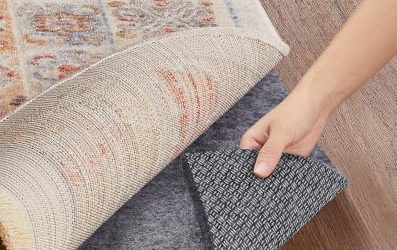
- Use a rug pad underneath to reduce friction, prevent slipping, and improve airflow. This cuts fiber crushing by up to 30% and extends the rug’s shape.
- Shake or lightly beat small rugs outdoors every 4 to 6 weeks instead of over-vacuuming. For large rugs, lift corners and vacuum underneath to remove trapped dust.
3. How to Spot Clean Spills Immediately
Speed is critical. Wool can absorb up to 30% of its weight in water without feeling damp, so liquids wick deep quickly if you wait.
- Step 1 – Blot: Immediately blot (do not rub) with a clean white cotton towel or paper towels. Press firmly for 15 to 30 seconds, move to a dry section, and repeat until no more moisture transfers.
- Step 2 – Mix solution: Combine 1 teaspoon of wool-safe detergent or clear, dye-free dish soap with 4 cups of cold water. For acidic stains like wine or coffee, add 1 teaspoon of white vinegar. Avoid using more soap than recommended, as residue attracts soil.
- Step 3 – Apply lightly: Dampen a cloth with the solution and dab from the outer edge of the stain inward. Let it dwell for 3 to 5 minutes. Rinse by dabbing with a cloth dampened with plain cold water until no suds remain.
- Step 4 – Dry: Place a dry towel over the area, add light weight like a book, and let it absorb for 1 to 2 hours. Brush the pile gently with a soft-bristled brush once completely dry to restore texture.
Always patch-test any solution on a hidden corner for 10 minutes and check for dye transfer before treating a visible area.
4. Deep Cleaning a Wool Rug at Home
Plan a full deep clean every 12 to 18 months for average use, or every 9 to 12 months if you have pets or allergies. Set aside 24 to 48 hours for complete drying.
- Prepare: Take the rug outside on a dry day with temperatures between 60 and 75°F. Vacuum both sides thoroughly. Hang over a sturdy railing or two sawhorses, never a single clothesline which can distort the shape.
- Wash: Wet the rug evenly with a garden hose using cold, low-pressure water. Apply a wool-specific shampoo diluted per label instructions with a soft long-bristle brush, working in the pile direction. Let it sit for 5 to 10 minutes, but do not let it dry on the fiber.
- Rinse thoroughly: Rinse until water runs completely clear and no suds remain. Leftover detergent can leave a sticky residue and cause yellowing within weeks. Expect to rinse 2 to 3 times longer than you washed.
- Remove water and dry flat: Press water out with a dry towel or use a squeegee in the pile direction. Never wring or fold. Lay flat on a clean, dry surface or elevated mesh, propped slightly for airflow. Flip after 12 hours. Ensure it dries within 24 to 36 hours to prevent mildew and foundation rot. Use fans and dehumidifiers indoors, not direct sunlight or heaters.
5. Protect High-Traffic Areas and Reduce Washing Frequency
The best way to preserve a wool rug is to limit how much dirt and moisture it sees in the first place, especially in entryways, kitchens, and hallways where grit and spills are constant. In those zones, layering in a washable, low-profile rug can take the abuse while your wool rug stays centered in lower-traffic living or bedroom areas.
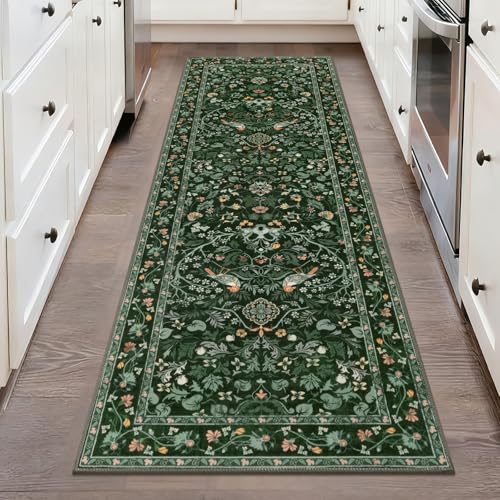
For example, many homeowners keep their main wool rug under the sofa and place a complementary washable runner where messes happen. An 8ft Green Washable Area Rug works well in a living room or bedroom if you want the look of a large area rug with easy machine washing for homes with pets and kids. In kitchens, a HEBE Boho Kitchen Mat 24×96 or HEBE Boho Kitchen Mat 24×120 provides cushioned, non-slip coverage in front of long counters and sinks, while the shorter HEBE Boho Kitchen Mat 24×72 fits perfectly in front of a stove or kitchen island. For narrow passages, the HEBE Hallway Runner 2×6 is an ideal non-slip, washable option that protects hardwood and reduces the soil tracked onto your wool rug. Using these washable pieces in the busiest 20% of your floor space can cut the deep-cleaning needs of your wool rug in half.
Tips
- Test for colorfastness every time: Dampen a white cloth with your cleaning solution, press on each color for 60 seconds, and check for dye transfer before proceeding.
- Never use steam cleaners, which operate at 200°F or higher, or carpet cleaners with rotating brushes on wool. Both felt and fuzz the pile permanently.
- Address pet accidents with an enzyme cleaner specifically labeled wool-safe and pH neutral, and always rinse and blot thoroughly to remove enzyme residue.
- Store wool rugs clean, dry, and rolled (never folded) with the pile inward, wrapped in breathable cotton or muslin, not plastic, and add cedar blocks instead of mothballs for protection.
Frequently Asked Questions
Can you use carpet cleaner or OxiClean on a wool rug?
No. Most general carpet cleaners and oxygen-based stain removers are alkaline (pH 9 to 11) and too harsh for wool protein fibers. They strip lanolin, cause felting, and can permanently lighten or yellow the wool. Use only detergents labeled wool-safe, pH neutral, or specifically for wool and silk.
Can you machine wash a wool rug?
Do not machine wash a true wool rug unless the label explicitly says machine washable. Agitation and spin cycles felt and shrink wool, and the foundation can warp. Washable rugs like the HEBE Hallway Runner 2×6 and HEBE Boho Kitchen Mat series are designed for machine washing on cold, gentle cycles, which makes them better suited for kitchens and hallways than wool.
How do you get rid of the wet wool smell after cleaning?
A lingering odor usually means the rug stayed damp too long. It must dry flat with strong airflow within 24 to 36 hours. Elevate it, run fans and a dehumidifier, and avoid direct sun. If odor persists, lightly sprinkle baking soda, let sit for 30 minutes, then vacuum thoroughly, and ensure the pad and floor underneath are also dry.
When should you call a professional?
Call a certified rug specialist for antique, silk-blend, or heavily soiled rugs, for stains covering more than 10 to 12 inches, for urine or dye bleeding, or if the rug is over 8×10 feet and difficult to dry quickly at home. Professional immersion washing with controlled pH, temperature, and drying rooms is the safest option for valuable wool rugs.
Conclusion
Cleaning a wool rug without damage comes down to gentle care: cool water under 86°F, pH-neutral cleaners, minimal agitation, and thorough but fast drying. Vacuum regularly with suction only, blot spills immediately, deep clean just once a year with careful rinsing, and protect your investment by placing washable runners in the highest-traffic areas. With this approach, your wool rug will stay resilient, soft, and vibrant for decades rather than just a few seasons.