Key takeaways
- Vacuum high-traffic rugs twice weekly and rotate them every few months to distribute wear and fading.
- Keep white towels nearby for blotting; colored cloths may transfer dye to damp fibers.
- Measure your rug’s thickness and check machine clearance before using an upright cleaner.
- Lift furniture instead of dragging it across a damp rug, which can stretch the backing and leave marks.
A clean area rug can reset the entire mood of a room. It makes furniture look more intentional, keeps floors feeling cared for, and removes the dull film of dust, food crumbs, pet hair, and tracked-in grit that gradually settles into the pile. The best cleaning method, however, depends on the rug’s fibers, backing, colorfastness, and the type of mess involved.
This guide explains how to clean an area rug without over-wetting it or damaging its finish. You’ll learn how to identify the safest approach, choose between spot treatment and full extraction, dry the rug properly, and select practical equipment for regular home maintenance.
Our top picks




As an Amazon Associate we earn from qualifying purchases at no extra cost to you.
🛒 Best Price Today on Amazon
Prime members get fast, free shipping on everything above, plus member-only deals. New members get a 30-day free trial — cancel anytime.
Our Recommended Picks
For an easy-care foundation, the CHAMPLANT Washable Area Rug is a practical choice for kitchens, dining areas, bedrooms, and other spaces where spills are part of daily life. Its thin profile is easier to vacuum and launder than a dense, delicate rug, though you should still follow the manufacturer’s washing instructions.
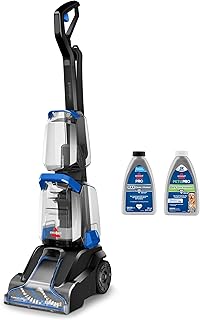
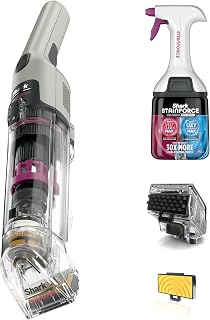
For larger rugs and more substantial cleaning jobs, the BISSELL TurboClean Upright Carpet Cleaner offers an upright format with strong agitation and extraction. The Hoover PowerDash Pet Compact Carpet Cleaner is a useful alternative when storage space is tight, particularly in homes dealing with pet traffic. For isolated spills, the Shark StainStriker Portable Spot & Stain Cleaner is more convenient than bringing out a full-size machine. The cordless Shark StainForce is handy for quick response cleaning, while the H6 Carpet Cleaner Machine adds powerful suction and dual water tanks for a budget-conscious deep-cleaning setup.
1. Check the Rug Before Adding Water
Start by reading the care label and identifying the material. Cotton and many synthetic rugs are generally more forgiving, while wool, silk, viscose, jute, sisal, and antique rugs may require professional cleaning or a specialized dry method. Examine the backing as well: rubber, latex, glued, or woven backings can curl, crack, bleed, or separate when saturated.
Test for colorfastness in an inconspicuous corner. Dab a small amount of your intended cleaning solution onto a white cloth, press it against the rug briefly, and check for transferred dye. If color appears on the cloth, stop and consult a rug-cleaning professional. Never assume that a rug labeled “washable” can tolerate every detergent, temperature, or machine cycle.
2. Remove Dry Soil First
Take the rug outdoors if practical and shake it gently, or vacuum both sides on a low-suction setting. Vacuuming the reverse side can loosen grit trapped near the backing; turn the rug right-side up and vacuum again. Use a brush attachment around fringe and avoid aggressive beater-bar passes on delicate or loosely woven surfaces.
This step is more important than it looks. Once mixed with water, loose soil becomes muddy and harder to extract. Move furniture aside, vacuum the floor beneath the rug, and check the rug pad for dust or moisture before replacing everything.
3. Treat Spots According to the Spill
Blot fresh spills immediately with clean, absorbent towels, working from the outside toward the center. Do not scrub, since friction can spread the stain and roughen the fibers. For solid debris, lift it with a spoon or dull edge before applying any liquid.
Use a small amount of rug-safe cleaner rather than flooding the area. A portable machine such as the Shark StainStriker is well suited to food spills, muddy footprints, and pet accidents because it combines targeted application with extraction. The Shark StainForce is convenient for quick cordless touch-ups, but always follow its formula instructions and test the rug first. Avoid mixing cleaning products, especially those containing bleach, ammonia, or strong solvents.
4. Deep-Clean Without Over-Wetting
For a washable synthetic or low-pile rug, a carpet-cleaning machine can refresh the surface more evenly than repeated hand scrubbing. Work in small overlapping sections, apply only enough solution to loosen soil, and make additional extraction passes with no added water. Strong suction is valuable because residual moisture is a common cause of odors, browning, mildew, and backing damage.
The BISSELL TurboClean is a sensible upright option for larger areas, while the compact Hoover PowerDash Pet is easier to maneuver and store. The H6 Carpet Cleaner Machine may appeal if you want dual water tanks and a self-cleaning function. These machines are designed primarily for compatible carpet and synthetic surfaces, so use caution with natural fibers and delicate construction.
5. Dry the Rug Completely
Drying is part of cleaning, not an afterthought. Place the rug flat in a well-ventilated area, ideally elevated on a clean surface so air can move underneath. Use fans, open windows, or a dehumidifier to shorten drying time. Turn the rug periodically and do not return it to a wood floor until the underside is fully dry.
Sunlight can help with drying, but prolonged direct exposure may fade dyes. If the rug develops a musty smell, feels cool or damp underneath, or shows curling edges, keep drying it rather than placing furniture on top. A clean, dry rug pad helps restore grip once the rug is ready to return.
Tips
- Vacuum high-traffic rugs twice weekly and rotate them every few months to distribute wear and fading.
- Keep white towels nearby for blotting; colored cloths may transfer dye to damp fibers.
- Measure your rug’s thickness and check machine clearance before using an upright cleaner.
- Lift furniture instead of dragging it across a damp rug, which can stretch the backing and leave marks.
Frequently Asked Questions
Can I clean every area rug with a carpet cleaner?
No. Carpet machines are best reserved for rugs that specifically allow water extraction, particularly synthetic, low-pile, or washable designs. Avoid using them on silk, viscose, many wool rugs, antique pieces, and rugs with unstable backing unless a care professional approves the method.
How often should I deep-clean an area rug?
Most living-room rugs benefit from a thorough cleaning once or twice a year, with additional spot treatment as needed. Homes with pets, children, allergies, or heavy outdoor traffic may need more frequent cleaning. Regular vacuuming reduces how often intensive washing is necessary.
Why does my rug smell after cleaning?
A lingering odor usually indicates that the rug or backing has not dried completely, or that soil remains below the surface. Improve airflow, extract additional moisture, and inspect the underside. If the smell persists after complete drying, professional cleaning may be the safest next step.
How can I prevent an area rug from slipping?
Use a rug pad sized slightly smaller than the rug, with a surface appropriate for both the rug backing and your floor. Avoid adhesive tape on finished wood or delicate backing unless it is specifically rated for those surfaces. A properly fitted pad also reduces bunching and premature wear.
Conclusion
The best way to clean an area rug is a measured one: identify the material, remove dry soil, treat stains gently, use water sparingly, and give the rug plenty of airflow afterward. A washable synthetic rug can often handle convenient at-home equipment, while delicate, valuable, or unstable rugs deserve professional care. With regular vacuuming and prompt blotting, your rug will stay fresher—and your room’s whole design will look more polished.