Key takeaways
- Best overall for a full homestead: Westinghouse WGen9500DF (dual fuel, 9,500 running watts on gasoline).
- Best for big motor loads and shop tools: DuroMax XP12000EH (12,000 starting watts on gasoline, 11,400 on propane).
- Best mid-size value: Champion 9200-watt dual fuel or WEN DF1100T.
- Best for a small cabin with a 120V or small 240V pump: WEN DF475T or Westinghouse WGen5500DFc.
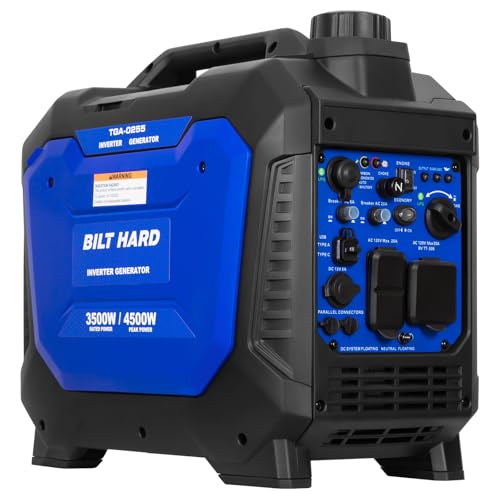
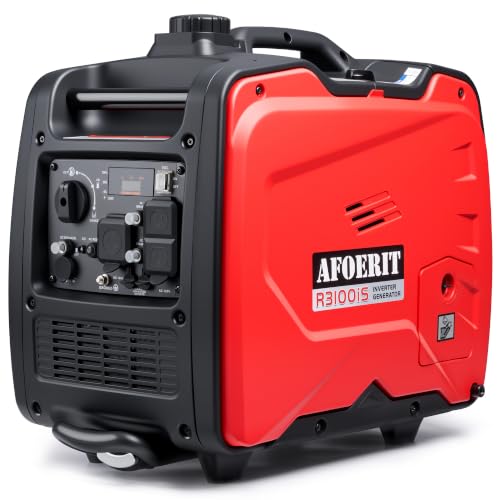
- Best for quiet, low-load trickle use: a 3,000 to 4,500-watt inverter dual-fuel unit such as the Champion 200988, paired with a battery bank.
The best generator for most off-grid homesteads and cabins is the Westinghouse WGen9500DF, with the DuroMax XP12000EH and Champion 9200-watt dual fuel as the closest alternatives. For smaller cabins with a shallow well, the WEN DF475T and Westinghouse WGen5500DFc cover the essentials. A homestead generator has a different job than a camping unit. It has to start a deep-well pump, keep a chest freezer cold through a multi-day outage, run shop tools, and do it on fuel you can store for months.
This guide is built around that workload. It explains how to size by starting watts, which fuel plan suits remote property, how to pair a generator with solar and batteries, and which models fit each load profile. All specs below come from manufacturer-style published ratings and roundup data; where we could not confirm a number, we describe the spec class instead.
Quick answer: which generator fits your homestead
- Best overall for a full homestead: Westinghouse WGen9500DF (dual fuel, 9,500 running watts on gasoline).
- Best for big motor loads and shop tools: DuroMax XP12000EH (12,000 starting watts on gasoline, 11,400 on propane).
- Best mid-size value: Champion 9200-watt dual fuel or WEN DF1100T.
- Best for a small cabin with a 120V or small 240V pump: WEN DF475T or Westinghouse WGen5500DFc.
- Best for quiet, low-load trickle use: a 3,000 to 4,500-watt inverter dual-fuel unit such as the Champion 200988, paired with a battery bank.
How we chose
This is a research-based guide, not a lab comparison. We compared published running and starting watt ratings, outlet layouts, tank sizes, fuel options and safety features such as carbon monoxide shutdown across current models. We weighed the typical homestead load list, which is well pump, refrigerator, chest freezer, lights, furnace blower or wood-stove fan, and a shop tool or two. Then we checked those loads against what each generator class can actually start. Roundup data and ratings differ between sources, so we state ranges where they disagree and tell you to confirm on the spec label of the exact model suffix you buy.
Step 1: Size by starting watts, not running watts
Motors draw a surge of power for a fraction of a second when they start. A well pump, refrigerator compressor, freezer compressor, table saw or air compressor can pull two to four times its running wattage at startup. Your generator must cover the single largest surge on top of whatever is already running.
Typical figures used in sizing guides: a refrigerator or freezer needs roughly 700 running watts and around 2,200 starting watts; a 1 HP submersible well pump needs roughly 1,000 running and 3,500 starting watts. Your equipment label is the authority. Check the pump nameplate for voltage (120V or 240V), horsepower and amps.
Worked example: a 240V well pump, freezer and shop
Say your homestead has these loads, using the figures above:
- 1 HP well pump: 1,000 running, 3,500 starting.
- Refrigerator: 700 running, 2,200 starting.
- Chest freezer: 500 running, 1,500 starting (a typical class value; check your label).
- LED lighting and phone charging: 300 running, no surge.
- Furnace blower or pellet-stove fan: 600 running, 1,200 starting.
Running total: 1,000 + 700 + 500 + 300 + 600 = 3,100 watts. Now find the worst-case start. Assume everything else is already running and the pump kicks on last. Surge needed is 3,100 minus the pump’s 1,000 running, plus the pump’s 3,500 starting, which equals 5,600 watts. That is already beyond a 3,600-watt unit and close to the limit of a 4,750-watt starting rating.
Add a table saw or air compressor (about 1,800 running, 4,000 or more starting for a 2 HP class tool) and the peak climbs above 8,000 watts. This is why a 7,500 to 9,500-watt generator is the common homestead choice, while a 3,500 to 4,500-watt unit only works when you stagger the loads and never start two big motors together.
Load management matters as much as size. If you start the pump while the freezer compressor is off, you can often run a smaller unit. One homesteader tip passed around in forums is to switch everything else off when the pump starts, then bring circuits back one at a time.
Step 2: Pick a fuel plan for remote property
Fuel logistics decide whether a generator is useful on a cabin or homestead. Gasoline degrades; without a stabilizer it can start to go stale in a few months, and ethanol blends make that worse. Propane does not degrade in the tank, which is why dual-fuel models dominate off-grid recommendations.
- Gasoline: Highest rated output, easy to refuel from a can, but needs rotation and stabilizer.
- Propane: Long storage life and clean burn, but output drops. A WGen9500DF falls from 9,500 running watts on gasoline to 8,500 on propane; a DuroMax 12,000-watt unit falls from 9,500 to 9,025 running. Plan around the lower number.
- Dual fuel: Lets you burn propane first and keep gasoline as a reserve. Most homestead picks below are dual fuel.
- Tri fuel: Adds natural gas for properties that have a line. Useful if you have a gas supply, but check running watts on each fuel.
A 20 lb cylinder runs a 9,000-watt-class generator only about 5 to 7 hours at half load, according to published runtime figures. For multi-day use, plan on a 100 lb cylinder or a bulk tank with a proper regulator and hose, and keep at least one spare. Fuel storage rules vary by state and county; keep cylinders outdoors, upright and away from ignition sources.
Step 3: Pair with solar and batteries
For long-term off-grid living, a generator is increasingly a backup rather than the primary source. A common setup is a solar array and battery bank for daily loads, with a 6,000 to 10,000-watt dual-fuel generator for cloudy stretches and heavy loads. The generator runs for a few hours, charges the battery bank through an inverter-charger, and shuts off.
Two practical rules apply. First, size the generator to the inverter-charger’s input limit as well as to your loads, since charging at full rate on a weak generator can overload it. Second, keep generator run hours short and efficient: running a large unit at 40 to 60 percent load is better for fuel use than running it nearly empty. Open-frame generators have noisier, less clean power than inverter units; if your charger or electronics are sensitive, look for a model that lists low total harmonic distortion, or use a surge-protected charger.
Comparison table
| Model | Running watts (gas / propane) | Starting watts (gas / propane) | Fuel | Key outlets | Best for |
|---|---|---|---|---|---|
| Westinghouse WGen9500DF | 9,500 / 8,500 | 12,500 / 11,200 | Dual | 4x 120V 20A GFCI, 120/240V 30A, 120/240V 50A | Whole-homestead backup |
| DuroMax XP12000EH | 9,500 / 9,025 | 12,000 / 11,400 | Dual | 120/240V 50A, 120/240V 30A, 120V 30A, 2x 120V 20A GFCI | Shop tools and big pumps |
| DuroMax XP13000EH | 10,500 (gas) | 13,000 (gas) | Dual | Check label for exact layout | Highest output of this group |
| Champion 9200-watt dual fuel | 9,200 (gas) | 11,500 (gas) | Dual | Check label for exact layout | Mid-size value, pump plus fridge |
| Champion 7500-watt dual fuel | 7,500 / 6,750 | 9,375 / 8,400 | Dual | 4x 120V 20A GFCI, 120V 30A, 120/240V 30A | Cabin with 240V pump |
| WEN DF1100T | 8,300 / 7,500 | 11,000 / 9,500 | Dual | 4x 120V 20A GFCI, 120V 30A, 120/240V 50A, 12V DC | Budget-minded full-size |
| Westinghouse WGen5500DFc | 5,500 class (gas) | Check label | Dual | Check label for exact layout | Essentials with staggered starts |
| WEN DF475T | 3,800 / 3,500 | 4,750 / 4,350 | Dual | 2x 120V GFCI, 120/240V 30A twist-lock, 12V DC | Small cabin, shallow pump |
Best generators for homesteads and cabins
1. Westinghouse WGen9500DF
Spec line: 9,500 running / 12,500 peak watts (gas) · 8,500 / 11,200 (propane) · 6.6-gallon tank · remote key-fob start · about 75 dB · 120/240V 50A outlet.
Best for: A homestead that needs a 240V well pump, freezers, a furnace blower and shop power from one machine. Published runtime is about 7 hours at 50% load on a 20 lb propane cylinder, and about 12 hours on a full gasoline tank.
Skip if: You need quiet operation near living space, or you want the lightest unit to move around alone. Some listings of this model note no carbon monoxide shutdown, so look for the version with a CO sensor.
- Pro: Strong starting capacity for motor loads and a full set of outlets, including the 50A.
- Con: Heavy open-frame design; not inverter-clean power; loud.
2. DuroMax XP12000EH
Spec line: 12,000 starting / 9,500 running watts (gas) · 11,400 / 9,025 (propane) · dual fuel · 120/240V 50A and 30A outlets · CO sensor listed.
Best for: Shops with a compressor or large saw, where the propane rating stays close to the gas rating. Published runtime figures put it around 7 hours on propane and 8 hours on gas at half load.
Skip if: Your loads stay under 5,000 watts. You will burn more fuel at low load than a smaller unit would.
- Pro: Very small propane derate, so it holds its power on stored fuel.
- Con: Large and heavy; noisy; moving it requires wheels and a flat path.
3. DuroMax XP13000EH
Spec line: 13,000 starting / 10,500 running watts (gas) · dual fuel · highest-output unit in this guide.
Best for: Large homesteads running central air or multiple big motors, where a 12,000-watt unit still feels tight.
Skip if: You are sizing by the table above and land under 8,000 watts of peak. Verify propane output on the label; we could not confirm it from the sources we reviewed.
- Pro: Headroom for simultaneous big-motor starts.
- Con: Fuel use and noise scale up with size.
4. Champion 9200-watt dual fuel
Spec line: 9,200 running / 11,500 starting watts (gas) · dual fuel · transfer-switch ready (manual transfer switch recommended).
Best for: A refrigerator, well pump, lights and a window air conditioner through a manual transfer switch.
Skip if: You need exact propane figures before buying; confirm them on the label.
- Pro: Mid-priced tier among full-size units; familiar parts availability.
- Con: Heavy; open-frame noise.
5. Champion 7500-watt dual fuel
Spec line: 7,500 / 9,375 watts (gas) · 6,750 / 8,400 (propane) · 7.7-gallon tank · about 75 dB · 4x 120V 20A GFCI, 120V 30A, 120/240V 30A.
Best for: A cabin with a 240V pump and a few freezers, where 6,750 running watts on propane is enough.
Skip if: You plan on long propane runs from a single 20 lb cylinder. Published runtime is about 5.5 hours at half load on propane and about 10 hours on gas.
- Pro: Good balance of size and fuel flexibility.
- Con: Short runtime per cylinder; needs a bigger tank for overnight use.
6. WEN DF1100T
Spec line: 11,000 peak / 8,300 running watts (gas) · 9,500 / 7,500 (propane) · 6.6-gallon tank · about 8.5 hours at half load · 120/240V 50A outlet.
Best for: Homesteaders who want a large propane-capable unit at a lower price tier.
Skip if: You want a verified CO shutdown listed in the roundup data; check the specific model before you buy.
- Pro: 7,500 running watts on propane at a budget tier.
- Con: Open-frame noise and weight; fewer service centers than the bigger brands in some regions.
7. Westinghouse WGen5500DFc
Spec line: 5,500-watt class · dual fuel · built-in carbon monoxide sensor · remote start. Exact propane watts not confirmed.
Best for: Basic essentials: refrigerator, freezer, furnace blower, sump pump and lights, with staggered starts.
Skip if: You have a large 240V deep-well pump. Sources warn that small units may struggle with these.
- Pro: CO sensor and dual fuel at a mid-range tier.
- Con: Limited surge headroom.
8. WEN DF475T
Spec line: 4,750 starting / 3,800 running watts (gas) · 4,350 / 3,500 (propane) · 47-inch propane hose included · about 11 hours at half load · 120/240V 30A twist-lock.
Best for: Small cabins with a 120V or shallow 240V pump, a freezer and lights.
Skip if: Your pump surge plus other running loads exceeds 4,350 watts, as in the worked example above.
- Pro: Long runtime at partial load; hose included; easy to carry compared with full-size units.
- Con: Cannot run two big motors at once.
Quiet option: inverter dual fuel with a battery bank
If your solar and battery system handles most daily loads, a small inverter generator can top up batteries. The Champion 200988 is a 4,500 starting-watt dual-fuel inverter unit that one roundup lists at up to 21 hours of continuous runtime; confirm this on the label because runtime claims depend on load. Inverter units produce cleaner power for electronics and run quieter, but they cannot start a large 240V pump by themselves.
Fuel logistics and storage
- Know your burn rate. Divide cylinder capacity by hourly consumption. A 20 lb cylinder is nominal; assume you can use about 80 percent of the rated capacity.
- Use a full-size tank for long outages. A 100 lb cylinder lasts about five times as long as a 20 lb one at the same load.
- Stabilize gasoline. Use fresh fuel, add stabilizer, and rotate stock; ethanol-free fuel stores longer.
- Keep an emergency reserve. At least one full propane cylinder and one can of fresh gasoline per generator.
- Check regulators and hoses. Look for cracks before each season; replace any worn part. Use a regulator rated for your generator.
Maintenance schedule
| Interval | Task |
|---|---|
| Every use | Check oil level, fuel, and air filter; inspect hose and cord condition. |
| Monthly | Run 15 to 20 minutes under light load to keep the carburetor and battery healthy. |
| First 20 hours | Change break-in oil (follow the owner’s manual). |
| Every 50 to 100 hours or yearly | Change oil, clean or replace the air filter, inspect the spark plug. |
| Seasonally | Treat or drain gasoline, check propane hose, test the CO sensor if present, and exercise the transfer switch. |
Intervals vary by model, so follow your manual.
Safety rules for homestead generators
- Run a generator outdoors only, well away from windows, doors and vents. Carbon monoxide is odorless and can build up quickly. Never run one in a garage, barn, crawl space or basement, even with the door open.
- Install battery-powered CO alarms in the home. A CO shutdown sensor on the generator helps but does not replace alarms.
- Do not backfeed through a wall outlet. Use a properly installed manual transfer switch or interlock, installed by a licensed electrician, to feed home circuits.
- Let the engine cool before refueling gasoline units. Store fuel in approved containers away from the generator and ignition sources.
- Keep propane cylinders upright and outdoors. Check connections with soapy water for bubbles and never use a flame to find a leak.
- Use heavy-duty extension cords rated for the load, and keep the generator dry under a ventilated cover, not inside an enclosed space.
Decision matrix
| Your situation | Recommended class | Example |
|---|---|---|
| 240V deep-well pump, freezers, shop tools | 9,000 to 12,000 watt dual fuel | Westinghouse WGen9500DF, DuroMax XP12000EH |
| 240V pump, no big shop tools | 7,500 to 9,200 watt dual fuel | Champion 7500 or 9200, WEN DF1100T |
| 120V or shallow pump, small cabin | 3,500 to 5,500 watt dual fuel | WEN DF475T, Westinghouse WGen5500DFc |
| Solar and battery primary, generator as charger | Inverter dual fuel plus battery bank | Champion 200988 |
Frequently asked questions
What size generator do I need for a well pump?
Most 1 HP pumps need about 3,500 starting watts, so a 5,000 to 7,500-watt unit is a safe floor. Check your pump label for voltage and starting amps, then add other loads.
Deep 240V pumps may need more. If the pump is 1.5 HP or larger, aim for 7,500 watts or more, or use a soft starter to lower the surge.
Is dual fuel better than gasoline only for a homestead?
Yes for most remote properties, because propane stores for years while gasoline degrades. You trade some output on propane, usually 10 to 15 percent.
Dual fuel also gives you a backup if one fuel runs short, which matters when roads are closed.
Can a generator run a chest freezer and refrigerator at the same time?
Yes. Together they need about 1,200 running watts and a start surge near 2,000 to 3,700 watts if staggered, which most 3,500-watt units handle.
Start one at a time to avoid overlapping surges.
How long will a 20 lb propane cylinder run a generator?
About 5 to 7 hours at half load for a 9,000-watt-class generator, and longer for smaller units. Small inverter models can run 14 to 21 hours at light loads.
Load, temperature and model all change the number, so treat published runtimes as a guide.
Do I need a transfer switch?
Yes if you want to power hardwired circuits such as a well pump. A manual transfer switch or interlock installed by a licensed electrician prevents backfeed.
Without one, use heavy-duty cords for individual appliances and never plug a generator into a wall outlet.
Can a generator work with solar panels?
Yes. Many homesteads use a battery-and-inverter system with a generator as backup. The generator feeds an inverter-charger, which tops up the batteries.
Match the generator’s output to the charger’s input limit, and use a surge-protected charger.
How often should I run a backup generator?
Run it for 15 to 20 minutes under light load at least once a month, and fully service it every season or at the interval in your manual.
Regular exercise keeps fuel moving through the carburetor and confirms that the unit starts when you need it.
Is an inverter generator good enough for a homestead?
For small loads and battery charging, yes. For a 240V deep-well pump or shop motors, you usually need an open-frame generator with higher starting watts.
Many homesteads own both: an inverter unit for quiet charging and a big dual-fuel generator for heavy loads.
Bottom line
Size the generator to your largest motor surge, choose dual fuel for storage flexibility, and plan fuel logistics before the outage. For most homesteads, the Westinghouse WGen9500DF or DuroMax XP12000EH covers pump, freezers and shop. For smaller cabins, the WEN DF475T or Westinghouse WGen5500DFc will carry essentials if you start motors one at a time. Always confirm ratings and safety features on the exact model label.