Key takeaways
- Vacuum both the carpet and the rug back before applying grippers or tape so debris does not block the grip.
- Use more anchor points than you think you need; corners plus mid-edges beat corners alone on large rugs.
- Test any adhesive tape on a hidden area first to confirm it peels cleanly from your carpet.
- Reposition and re-press grippers every few months as they collect dust and lose some hold.
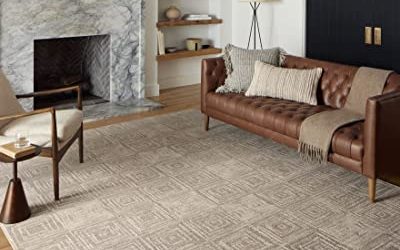
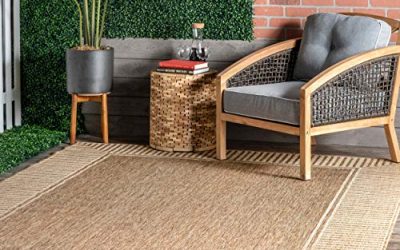
Layering an area rug over wall-to-wall carpet is one of the fastest ways to add color and define a space, but it comes with a frustrating side effect: the rug will not stay put. Unlike a rug on a hard floor, where a standard rubber pad grips instantly, a rug on carpet floats on a soft, shifting surface. It creeps, bunches, and forms trip-hazard ripples every time someone walks across it, because the two carpet piles slide against each other with almost no friction.
The fix is a different class of product than the pads made for hardwood. This 2026 guide covers the grippers, tapes, and techniques specifically engineered to lock a rug onto carpet, plus the mistakes that keep people fighting a wandering rug. Get the right anti-slip solution and your layered rug will stay flat and anchored for good.
Our top picks




As an Amazon Associate we earn from qualifying purchases at no extra cost to you. Ratings are shown as listed on Amazon.
⚡ Save on Your Next PC — Amazon Prime
Prime members get fast free shipping on the systems above, plus early access to Prime Day & Black Friday PC deals. New members get a 30-day free trial.
Watch: How to Prevent Rug Slipping on Carpet — Video Review
Why Rugs Slip on Carpet in the First Place
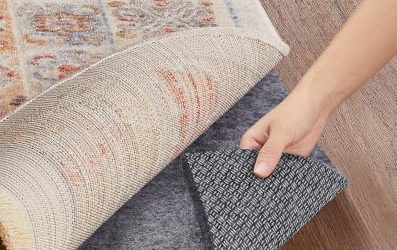
Standard rug pads are designed to grip smooth, hard floors. On carpet they fail because there is nothing solid for the rubber to grab, the pad simply slides along with the rug on top of the plush pile. Preventing slippage on carpet requires a gripper that anchors into the carpet fibers below while holding the rug above, or a double-sided adhesive rated specifically for carpet-on-carpet use.
Method 1: Carpet-to-Carpet Rug Grippers
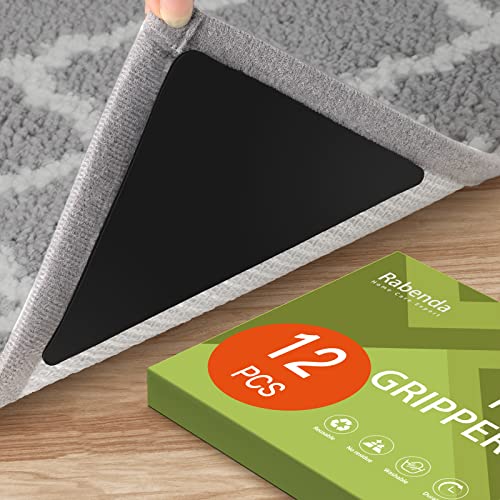
The purpose-built solution is a cloth-backed gripper made for layering, like the Kadrama 16-pack carpet-to-carpet rug grippers. These use tiny hooks or a gripping backing that bite into the lower carpet while the top side holds the rug corner. Place one at each corner and one midway along each long side. They are reusable, leave no residue, and are the most reliable fix for a rug that constantly shifts on carpet.
Method 2: Double-Sided Rug Tape Rated for Carpet
For rugs that curl or slide badly, double-sided tape designed for carpet, such as the X-Protector rug tape or ZONGOOL non-slip carpet tape, bonds the rug directly to the pile below. Apply strips around the entire perimeter and across the middle for large rugs. This holds the firmest, though the adhesive is best on rugs you do not plan to move often, since repositioning weakens the bond.
Method 3: Corner Grippers for Curling Edges
Often the real problem is just the corners lifting and catching feet. Extra-long corner grippers like the GORILLA GRIP set target exactly that, holding the corners flat so the rug cannot ripple up. This is the cheapest, lowest-commitment option and frequently solves the trip-hazard issue on its own for lighter rugs.
Method 4: Choose a Heavier, Low-Pile Rug
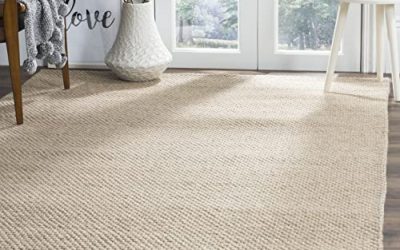
Prevention starts with the rug itself. A heavier, low-pile rug sits more stably on carpet than a thin, lightweight one that catches air and slides. If you are still shopping, a denser flat-weave will fight you far less than a slick thin rug, and it pairs better with any of the grippers above.
Tips
- Vacuum both the carpet and the rug back before applying grippers or tape so debris does not block the grip.
- Use more anchor points than you think you need; corners plus mid-edges beat corners alone on large rugs.
- Test any adhesive tape on a hidden area first to confirm it peels cleanly from your carpet.
- Reposition and re-press grippers every few months as they collect dust and lose some hold.
Frequently Asked Questions
Why does my rug slide on carpet?
The two carpet piles slide against each other with almost no friction, and standard hard-floor rug pads cannot grip the soft surface. You need a gripper made specifically for carpet-on-carpet layering or double-sided carpet tape.
Do regular rug pads work on carpet?
No. Rubber and felt pads made for hardwood float on top of carpet pile and slide right along with the rug. Use cloth-backed carpet-to-carpet grippers or carpet-rated tape instead.
Will rug tape damage my carpet?
Quality carpet-rated tapes like X-Protector are designed to peel cleanly, but always test a hidden spot first. Reusable corner grippers are the safest zero-residue option if you are worried about the carpet.
How do I stop rug corners from curling on carpet?
Attach corner grippers or double-sided tape at each corner to hold them flat. Curling corners are the most common trip hazard, and anchoring just the corners often fixes the problem for lighter rugs.
Conclusion
A rug that slides on carpet is not a lost cause, it just needs the right tools. Skip the standard hard-floor pad and reach for carpet-to-carpet grippers or carpet-rated double-sided tape, anchoring the corners and mid-edges. Start with a heavier low-pile rug when you can, clean both surfaces before applying, and refresh the grip a few times a year. Do that and your layered rug will lie flat and stay exactly where you put it.