The gap between a hand-knotted rug and a machine-made one is the difference between an heirloom and a home furnishing, and it shows up in the price, the lifespan, and the way the rug feels under your hand. A hand-knotted rug is tied one knot at a time on a loom by a skilled weaver, a process that can take months and produces a piece that lasts generations. A machine-made rug is power-loomed in hours, delivering the look for a fraction of the cost but a fraction of the longevity too. Knowing which you are buying protects you from overpaying and from disappointment.
Understanding the difference is easier once you know what to look for on the back, at the fringe, and in the knots. Below we break down how to tell them apart and which makes sense for your situation, then point you to the best reference books for buyers who want to go deeper before investing in a serious rug.
Our top picks


As an Amazon Associate we earn from qualifying purchases at no extra cost to you.
⚡ Save on Your Next PC — Amazon Prime
Prime members get fast free shipping on the systems above, plus early access to Prime Day & Black Friday PC deals. New members get a 30-day free trial.
Watch: Hand-Knotted vs. Machine-Made Rugs: Understanding the Difference — Video Review
How to Choose
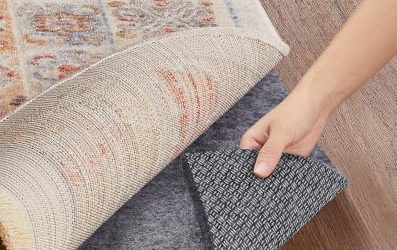
- Check the back: Hand-knotted rugs show the pattern clearly on the reverse with slightly irregular knots; machine-made backs look uniform, gridded, and often have a glued or fabric backing.
- Inspect the fringe: On hand-knotted rugs the fringe is an extension of the foundation warp; on machine-made rugs it is usually sewn or glued on afterward.
- Weigh longevity vs. budget: Buy hand-knotted for a decades-long investment piece; choose machine-made for style on a budget or high-traffic, kid-and-pet rooms.
- Consider material: Hand-knotted rugs are typically wool or silk; machine-made rugs are often polypropylene or polyester, which is why many are washable.
- Look at knot regularity: Slight variation signals handwork and authenticity, while perfectly identical knots indicate machine production.
The Best Picks Reviewed
Oriental Rugs: A Buyer’s Guide
The essential starting point for anyone about to invest in a hand-knotted rug. This buyer’s guide walks through origins, knot types, materials, and how to judge quality and value, exactly the knowledge that keeps you from overpaying. If you buy one reference before shopping for a serious rug, make it this.
The Bulfinch Guide to Carpets: How to Identify, Classify, and Evaluate Antique Carpets
For collectors and those drawn to antique hand-knotted pieces, this guide teaches identification and evaluation in depth. It is the reference to reach for when you want to understand what separates a genuine antique from a reproduction and how to appraise what you are looking at.
Rugs to Riches: An Insider’s Guide to Buying Oriental Rugs
Written from the dealer’s side of the table, this insider guide demystifies pricing, negotiation, and the tricks of the trade. It is the most practical read for avoiding the common pitfalls of buying hand-knotted oriental rugs, whether in a shop or online.
Oriental Rug Handbook: A Beginner’s Guide to Rug Understanding and Trading Value
A gentler introduction aimed at beginners, this handbook covers the fundamentals of construction, regional styles, and trading value without assuming prior expertise. A good companion if the denser collector guides feel like too much too soon.
Tuft the World: An Illustrated Manual to Tufting Gorgeous Rugs
For readers curious about the making side, this illustrated manual explains tufting, a middle-ground technique between hand-knotting and machine production. Understanding how tufted rugs are built clarifies where they sit on the quality-and-price spectrum between true handwork and power-loomed goods.
Frequently Asked Questions
How can I tell if a rug is hand-knotted or machine-made?
Flip it over. Hand-knotted rugs show the design clearly on the back with slightly irregular knots and a fringe that is part of the foundation. Machine-made rugs have uniform, gridded backs, often a glued or fabric backing, and fringe sewn on afterward.
Are hand-knotted rugs worth the higher price?
For a long-term investment piece, yes. Hand-knotted wool and silk rugs can last generations, develop character, and hold value. For budget-conscious buyers or busy households, machine-made rugs deliver the look at far lower cost.
Do machine-made rugs last a long time?
They last years, not generations. Quality machine-made rugs hold up well to daily use and many are washable, but they will not match the decades-long lifespan of a well-made hand-knotted rug.
Which is better for a home with kids and pets?
Machine-made rugs are usually the practical choice, since many are washable, stain-resistant, and affordable to replace. Save a hand-knotted investment rug for lower-traffic, adult spaces where it will be protected.
Final Thoughts
Hand-knotted and machine-made rugs serve genuinely different purposes. A hand-knotted rug is a lasting investment with craftsmanship and value that reward the higher price, ideal for a formal room you will keep for decades. A machine-made rug brings the same styles to life affordably and practically, perfect for busy households and evolving tastes. Learn to read the back and fringe, decide whether you are buying an heirloom or a furnishing, and you will choose with confidence, and the reference guides above will take you the rest of the way.