Key takeaways
- Sort delicates by washing and drying instructions, using a garment worksheet that keeps hand-wash and professional-care items separate.
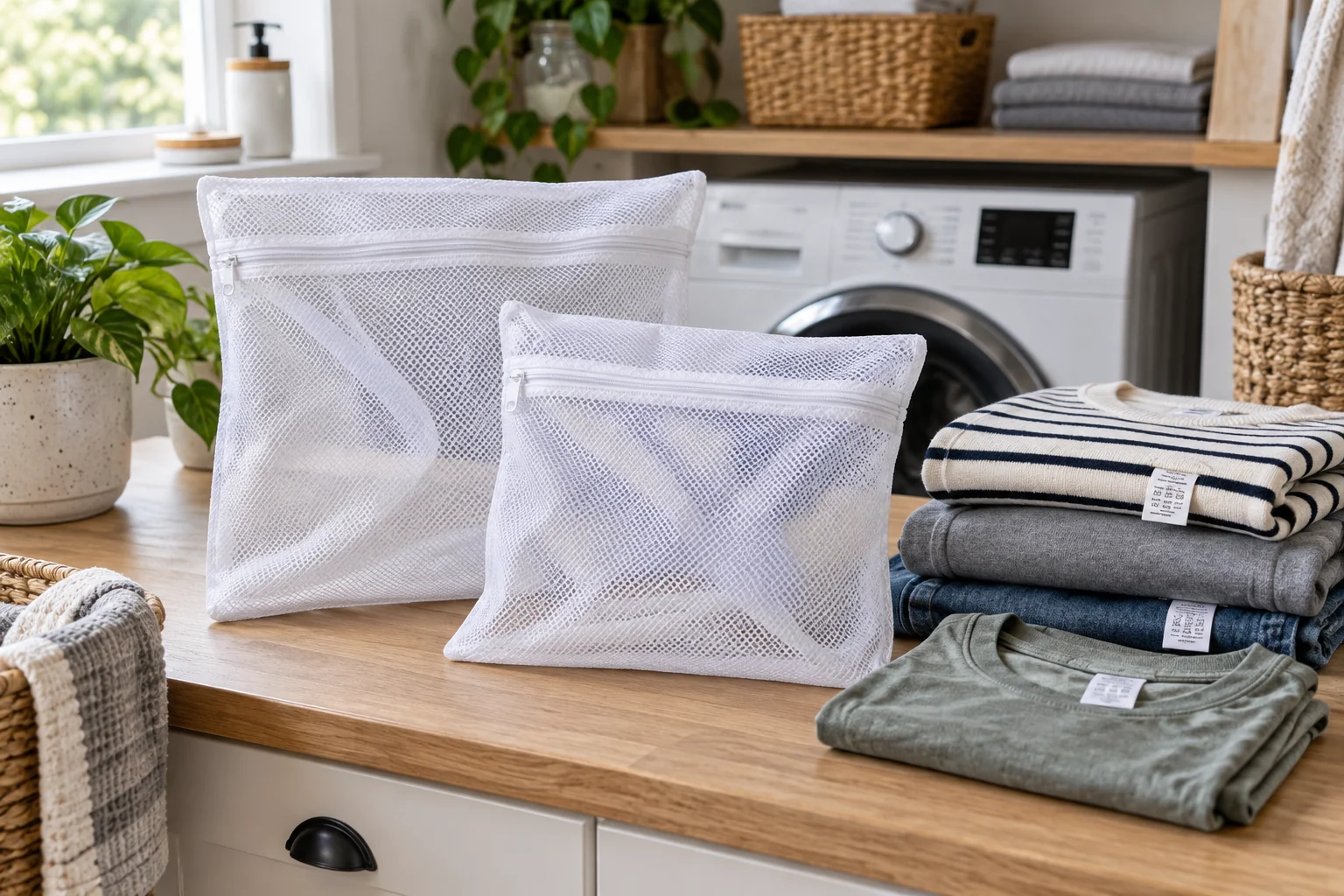
Organize delicates bags by the care instructions of the garments that will go inside them. Start with washing permission, then temperature and cycle, and finally drying. A mesh bag is a container for an appropriate load; it does not turn a hand-wash-only or dry-clean-only garment into machine-washable clothing.
The most useful system keeps the garment’s instructions connected to it from the hamper to the drying area. Sorting every delicate item into one attractive bag can hide incompatible instructions and make the last person handling the load guess.
Read the complete label before assigning a bag
Lay out a small group of garments and read each care label. Record written instructions as well as symbols, including any warning about washing separately, turning inside out or avoiding tumble drying. If a label is unclear, use the garment maker’s guidance before deciding where the item belongs.
Woolmark’s washing guide ties machine washing to the garment’s care claim. Its advice for machine-washable wool includes an appropriate wool cycle and mild detergent, with flat drying recommended. The important point for your organizer is that the garment’s label determines the route; the word “wool” alone is not enough.
Give unreadable or missing labels a separate “confirm care” holding location. Do not put uncertain clothing into a regular load because its fabric feels similar to another item. Ask the owner before changing the routine for a garment that is valuable, embellished or unfamiliar.
Create routes before choosing colors or bag sizes
Use four initial routes: machine wash under compatible instructions, hand wash, professional care, and unresolved instructions. Only the first route becomes a machine-load bag. A hand-wash item may need a separate holding container, clearly distinguished from the bags used in the washer.
Within machine-washable items, compare cycle, temperature, color separation and any special directions. A shared maximum temperature is only one condition. Two labels may allow cool water yet differ on washing action or drying. Keep a written record instead of assuming all delicate cycles are equivalent.
| Garment | Washing route | Other label requirements | Drying destination | Assigned location |
|---|---|---|---|---|
| Item A | Copy exact permitted method | Cycle, temperature, separation | Copy label direction | Compatible machine bag or separate route |
| Item B | Hand wash if specified | Owner or maker instructions | Prepare before washing | Hand-care holding area |
| Item C | Professional care if required | Record cleaner instructions | Handled through that service | Separate collection bag |
| Item D | Uncertain | Find missing information | Not assigned yet | Confirm-care area |
Fit the bag to the garment and machine instructions
Check the bag maker’s intended use, closure and loading guidance. Inspect the mesh and zipper before each use; a torn bag or exposed damaged closure should not be trusted to contain an item. Do not stuff garments tightly into a small bag merely because the zipper can close.
Check your washer’s guidance for mesh bags, small loads and the selected program. The number of bags is not a substitute for the machine’s loading instructions. If the garment and machine guidance conflict, resolve that conflict before starting the wash.
Keep detachable paper notes outside the washer. A small card clipped to the sorting basket can identify what is waiting, but remove any temporary clip or tag before loading. Use only identification methods the bag manufacturer permits on the bag itself. A household color key should also have written labels so it does not depend on remembering colors alone.
Worked example: four garments need three routes
Imagine four garments with these illustrative labels: two tops permit the same gentle machine process and line drying, one sweater requires hand washing and flat drying, and one jacket requires professional cleaning. The two tops may share a machine route only after you also check their color and separation instructions.
The sweater does not join them simply because it fits in a larger mesh bag. It stays in the hand-care area with its drying instruction attached to the outside record. The jacket goes to the professional-care collection. This creates three routes from four items, with no new wash settings invented by the organizer.
Now suppose a third machine-washable top permits the same wash but needs a different drying method. It can have a separate identifiable bag and a clearly recorded drying destination, if all washing requirements remain compatible. The distinction matters when someone unloads the machine without having sorted the garments.
Plan the handoff to drying
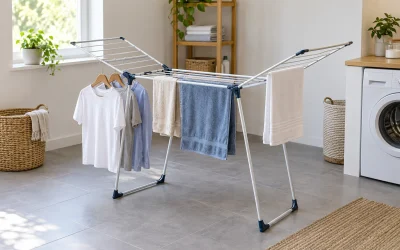
Before washing, confirm there is space for each required drying method. A flat-dry garment is not ready for washing if every suitable drying surface is occupied. Do not automatically transfer a bag into the dryer; check both the garment and bag instructions first.
At unloading, compare the garments with the worksheet and separate the drying routes immediately. If another person takes over, leave a short note naming the garments and where each should go. “Delicates in washer” is less useful than “blue top: line dry; cream sweater: follow flat-dry label.”
After use, follow the bag’s own care instructions and put it away only in an appropriate condition. Review the sorting system when a new garment arrives or a label changes. A reliable delicates organizer is a readable set of decisions, not a promise that one bag protects every fabric.