Key takeaways
- Give everyday bags an owner, a reachable place and a reset routine with a shared-entry worksheet that keeps straps and bags out of the doorway.
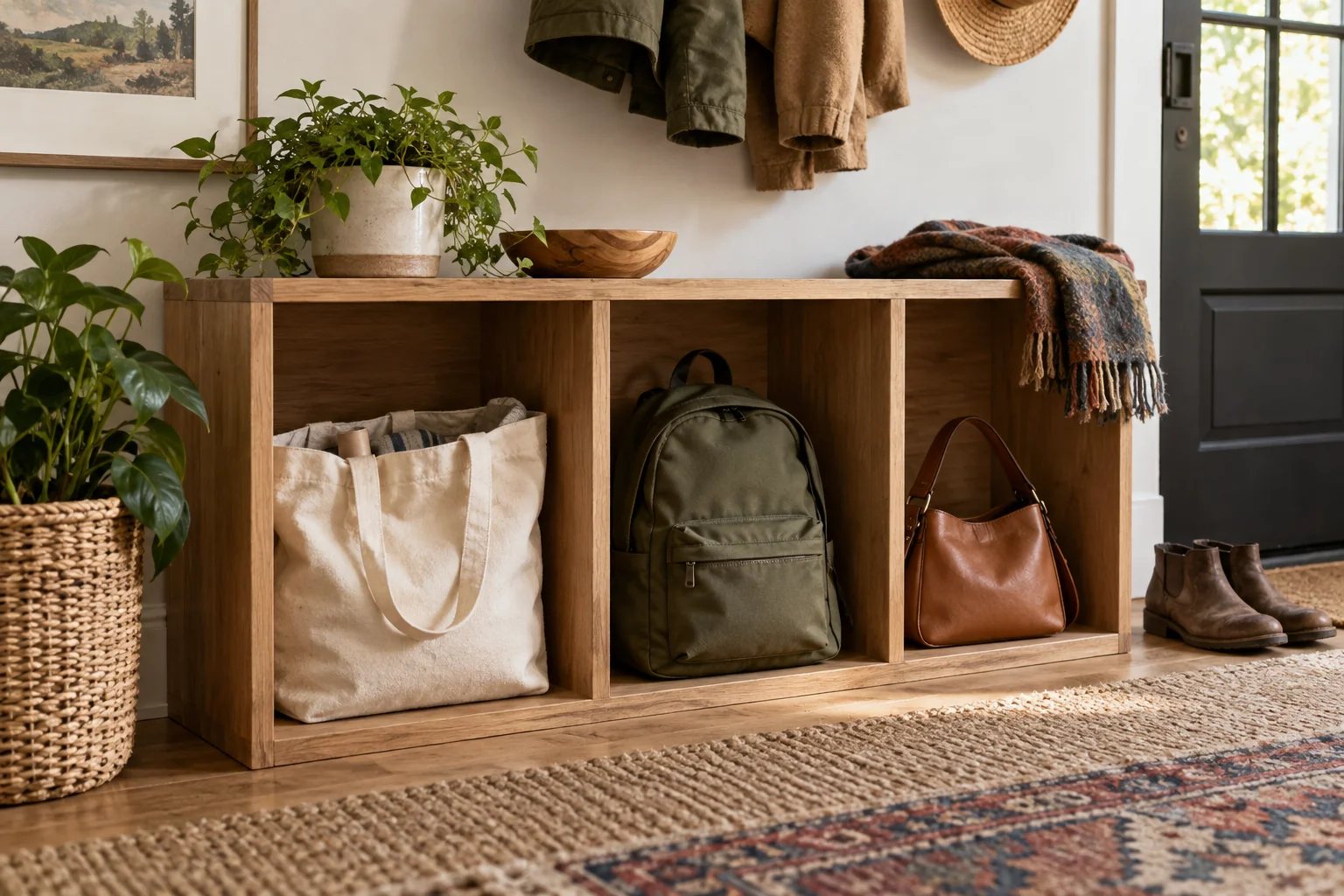
Organize daily bags in a shared apartment by giving each active bag a reachable place and a clear owner. Plan for the bags people actually bring home, including their straps and contents, rather than counting empty hooks. The arrangement works only if someone can arrive, put a bag away and close the door without moving another person’s belongings.
Begin with existing storage and a short household trial. A new console or rack may be unnecessary if inactive bags and unfinished unpacking are occupying the useful space. Keep the shared building corridor outside the apartment out of your storage plan unless its use has been explicitly approved.
Record a normal arrival
Ask each resident to describe what arrives with them on a typical day: backpack, handbag, laptop bag, gym bag or reusable shopping tote. Note which items remain inside overnight and which must be removed. A lunch container needing attention should not disappear into a closed storage basket simply because the outside of the bag looks tidy.
Include occasional routines that happen often enough to matter, such as a weekly sports session. Separate those from travel luggage and spare bags that do not need space at the door. The entryway is a working handoff point, not necessarily the permanent home for every bag the household owns.
Allocate positions by person and use
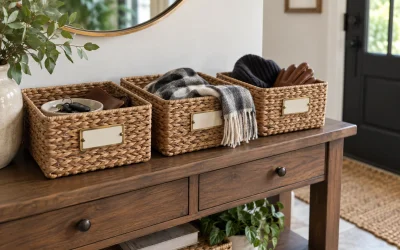
IKEA’s family hallway guidance emphasizes accessible storage at heights that suit the people using it, with individual easy-reach space. Apply that principle to the residents rather than copying the exact pictured furniture. A low compartment may work better than a hook for a heavy work bag; a small resident should not need to climb to reach their place.
Give each person one primary location and agree what belongs there. Use a name, a simple symbol or a familiar colour on a removable label. Do not make the system depend on identifying three similar dark backpacks from across the room. If bags are shared, label the function, such as shopping, and name the person responsible for resetting it.
Use a bag-and-position worksheet
| Bag or owner | Arrival action | Storage requirement | Reset responsibility |
|---|---|---|---|
| Daily work bag | Remove food and wet items | Support the loaded base; accessible handle | Owner checks before next departure |
| School or study bag | Take out items needing attention | Reachable place without climbing | Agree who checks unfinished tasks |
| Sports bag | Move used kit to its care routine | Temporary arrival place, then assigned storage | User returns empty or ready bag |
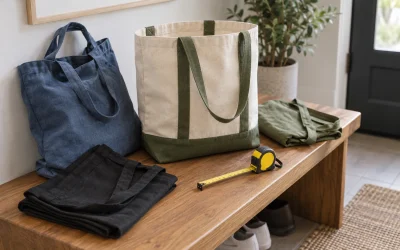
| Shared shopping bags | Unpack purchases | Folded bags kept together | Last user restores the bundle |
Add your own rows and cross out any that do not apply. The table separates an action from a storage location: buying a bigger basket cannot finish the unpacking step. Keep the worksheet near the storage during the trial, then simplify it to labels once everyone knows the routine.
Measure bags in their normal state
Measure each bag when normally packed, including outside pockets, handles and loose straps. Try placing it in the proposed compartment without forcing the zip or bending something inside. Check whether another resident can remove their bag independently. A compartment that fits two bags tightly may behave like a single shared pile in practice.
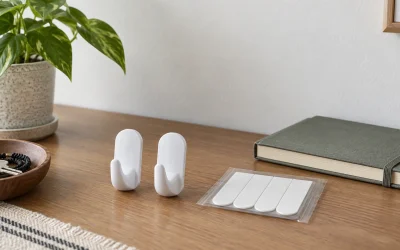
If using hooks, check the exact rack, fastener and wall requirements and the bag maker’s guidance on hanging. The number of hooks does not establish a load allowance. With floor-standing furniture, follow its anchoring instructions and keep heavy items within the intended storage positions. Do not add a top-heavy pile to compensate for undersized compartments.
A worked three-person example
Three residents initially use a 90 cm wide bench top for all their bags. In this illustrative example, the loaded bags occupy widths of 34, 28 and 32 cm. Their combined width is 94 cm before allowing any space to grasp handles, so assigning equal thirds of the bench does not solve the problem.
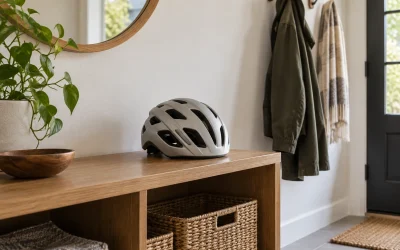
They keep the two bags that fit accessible under the bench and move the third to an existing cupboard just inside the room. A shared shopping tote is folded into that cupboard after unpacking. The goal is independent access, not forcing every resident’s allocation into one piece of furniture. These numbers are fictional and do not specify furniture capacity.
Check the doorway during real use
Test the arrangement with the entrance door fully opening, a cupboard door in use and someone removing a bag. Tuck straps inside the assigned place so they do not extend into the walking route. Keep access to door hardware, switches and required equipment unobstructed. If a bag has to be moved before someone can leave, its position needs changing.
After several normal arrivals, note where bags actually land. A consistently ignored position may be too high, too deep, too crowded or on the wrong side of the arrival route. Change that one problem before adding more labels. End with a simple agreement: active bags return to their assigned places, inactive bags move elsewhere, and each owner completes the unpacking tasks their bag brings home.