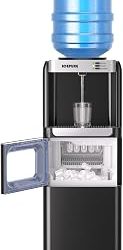
Key takeaways
- Take out the ice basket, scoop, water filter, and removable accessories.
- Empty the reservoir and drain any remaining water.
- Wash removable parts with warm water and a small amount of mild dish soap, if the manual permits.
- Wipe the exterior, lid, vents, and controls with a soft, slightly damp cloth.
What's inside
A clean ice maker is a small detail that makes a kitchen feel noticeably more polished. When mineral scale, stale water, and residue build up inside the machine, ice can taste flat, look cloudy, or develop an unpleasant odor. From an interior-styling perspective, this is one of those behind-the-scenes maintenance tasks that protects the whole look and feel of a well-kept kitchen.
This guide explains the best way to clean an ice maker in 2026, whether you have a countertop nugget machine, a built-in refrigerator ice maker, or a commercial-style unit. You’ll learn how to choose a safe descaler, complete a thorough cleaning cycle, rinse properly, and avoid the habits that make buildup return quickly.
As an Amazon Associate we earn from qualifying purchases.




🛒 Best Price Today on Amazon
Prime members get fast, free shipping on everything above, plus member-only deals. New members get a 30-day free trial — cancel anytime.
Choose the Right Ice Maker Cleaner
Start with a cleaner labeled specifically for ice machines. A suitable product should be designed to dissolve mineral scale and lime without damaging food-contact surfaces, nickel-plated components, pumps, or internal tubing. “Nickel safe” is a useful specification for many countertop and nugget ice makers, but always compare the cleaner’s instructions with your machine’s care manual.
For occasional household cleaning, tablets are tidy and easy to measure. Ice Machine Cleaner Maker and Descaler Tablets offer a convenient format for users who prefer individually portioned doses. Affresh Ice Machine Cleaner is another recognizable option formulated to help remove hard-water and mineral buildup. If you want a larger supply for routine maintenance, ACTIVE Ice Machine Cleaner Maker Descaler and the 36-pack Ice Machine Cleaner Descaler Tablets are practical choices.
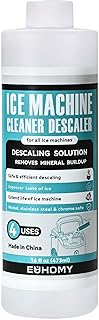
Liquid cleaners can be useful when a manufacturer specifies a measured solution or when you need flexibility for a larger reservoir. EUHOMY Ice Machine Cleaner Descaler comes in a multi-use bottle, while Nickel Safe 1 gal Ice Maker & Machine Cleaner is better suited to high-volume or commercial-style maintenance. Never substitute vinegar, bleach, dish soap, or a general bathroom descaler unless the appliance manufacturer explicitly approves it.
Prepare the Machine Safely
Before cleaning, switch off and unplug a countertop unit. For a refrigerator ice maker, turn off the ice-making function and follow the appliance manual before disconnecting power. Remove all ice from the bin and discard it; cleaner should never come into contact with ice intended for eating.
- Take out the ice basket, scoop, water filter, and removable accessories.
- Empty the reservoir and drain any remaining water.
- Wash removable parts with warm water and a small amount of mild dish soap, if the manual permits.
- Wipe the exterior, lid, vents, and controls with a soft, slightly damp cloth.
Keep the machine on a stable, water-resistant surface while cleaning. A folded towel underneath is a simple way to protect cabinetry or a styled countertop from drips.
Run the Descaling Cycle
Use the cleaner exactly as directed on its label and in the ice maker’s manual. Tablet products generally require dissolving the recommended number of tablets in a specified amount of water. Liquid products require careful measuring; more concentrate is not automatically more effective and may leave residue or stress internal components.
Pour the prepared solution into the reservoir, then run the machine’s cleaning cycle if it has one. If there is no dedicated cycle, consult the manual for the approved method. Some machines circulate the solution without producing ice, while others require a short operating cycle followed by draining. Do not allow cleaner-made ice to remain in the bin or be consumed.
During the cycle, the solution may loosen flakes of scale or produce a temporary cleaner smell. That is normal, but stop if you notice leaking, unusual noises, or an error code. Contact the manufacturer rather than improvising with stronger chemicals.
Rinse Until the Water Is Neutral
Rinsing is the step that determines whether the finished ice tastes fresh. Drain the cleaning solution completely, then refill the reservoir with clean water. Run the recommended rinse cycle and repeat it as many times as the product label requires. If the water still smells chemical or tastes unusual, continue rinsing.
Wipe the reservoir and accessible surfaces with a clean microfiber cloth. Rinse the ice basket and scoop separately, then reinstall the water filter or replace it if the manual recommends changing it after descaling. Make a fresh batch of ice and discard the first one or two cycles unless your manufacturer states otherwise.
How Often Should You Clean an Ice Maker?
For most homes, a deep clean every three to six months is a sensible starting point. Hard water, frequent use, warm rooms, and visible white scale may call for more frequent cleaning. A machine used only occasionally may need less frequent descaling, but it should still be emptied, dried, and cleaned before long periods of storage.
Regularly wipe the bin and scoop, keep the lid closed, and use fresh drinking water. These small habits reduce odors and prevent the mineral layer from becoming difficult to remove. Your manual takes priority over any general schedule.
Tips
- Set a recurring calendar reminder so cleaning does not become an afterthought.
- Use filtered water if your local supply is especially hard, while confirming that your machine allows it.
- Never mix descaler with bleach, ammonia, vinegar, or another cleaning product.
- Dry removable parts completely before reassembly to discourage stale odors and residue.
Frequently Asked Questions
Can I clean an ice maker with vinegar?
Vinegar is not the best default choice. Its acidity and odor may affect certain materials, seals, or internal parts, and some manufacturers specifically advise against it. Use a cleaner approved for your model instead.
How do I know when an ice maker needs descaling?
Common signs include cloudy ice, a mineral taste, slow production, unusual noise, visible white deposits, or an odor that remains after basic washing. If performance changes suddenly, check the water supply and filter as well.
Are ice maker cleaner tablets better than liquid cleaner?
Neither format is universally better. Tablets simplify dosing and storage, while liquid allows more flexible measuring for certain reservoirs or larger machines. The safest option is the format and formula recommended for your appliance.
Should I clean the ice maker if it has a self-cleaning mode?
Yes, if the manual calls for it. A self-cleaning mode can circulate water or cleaner through internal components, but removable bins, scoops, filters, and exterior surfaces still need separate attention.
Conclusion
The best way to clean an ice maker is to use a compatible, food-contact-safe descaler, follow the machine’s cleaning cycle, and rinse thoroughly before making fresh ice. Choose a tablet such as Affresh, ACTIVE, or another nickel-safe option for easy routine care, or select a measured liquid like EUHOMY for a format your appliance supports. With a few minutes of maintenance every few months, your ice maker can stay fresh, efficient, and as beautifully maintained as the rest of your kitchen.