Key takeaways
- Measure the full delivery route, including hallways, corners, stairways, and the final door opening.
- Run the ice maker after installation and discard the first batches according to the manufacturer’s instructions.
- Keep the ice bin below its maximum fill line so cubes do not jam the auger or dispenser chute.
- Match the finish and handle style to nearby appliances for a more intentional, built-in-looking kitchen.
What's inside
- Recommended Picks
- 1. Decide Which Type of Ice You Want
- 2. Match Production and Storage to Your Routine
- 3. Consider Refrigerator Layout and Kitchen Proportions
- 4. Check Filtration, Cleaning, and Maintenance
- 5. Evaluate Convenience Features Without Losing Sight of Basics
- Tips
- Frequently Asked Questions
- Conclusion
- Related Articles
A refrigerator’s ice maker is one of those features you notice most when it disappoints. Slow production, small storage bins, awkward dispensing, and ice that picks up freezer odors can turn a convenient appliance into a daily annoyance. The best ice maker should suit your household’s habits, your kitchen layout, and the kind of ice you actually enjoy—not simply promise the largest capacity.
- Recommended Picks
- 1. Decide Which Type of Ice You Want
- 2. Match Production and Storage to Your Routine
- 3. Consider Refrigerator Layout and Kitchen Proportions
- 4. Check Filtration, Cleaning, and Maintenance
- 5. Evaluate Convenience Features Without Losing Sight of Basics
- Tips
- Frequently Asked Questions
- Conclusion
- Related Articles
This guide compares the features that matter when shopping in 2026, from nugget and cubed ice to filtration, freezer design, noise, and installation depth. The recommendations below include full-size French-door refrigerators, a counter-depth model, and a dedicated undercounter ice-and-beverage unit, so you can choose a practical match without compromising your kitchen’s visual flow.
As an Amazon Associate we earn from qualifying purchases.


🛒 Best Price Today on Amazon
Prime members get fast, free shipping on everything above, plus member-only deals. New members get a 30-day free trial — cancel anytime.
Recommended Picks
1. Decide Which Type of Ice You Want
Ice style is the first meaningful distinction. Standard cube ice melts relatively slowly and works well for everyday drinks, pitchers, and entertaining. Nugget ice—often called chewable or pellet ice—has a softer texture that many people prefer in sodas and iced tea, but the mechanism can take up more internal space and may need more frequent cleaning.
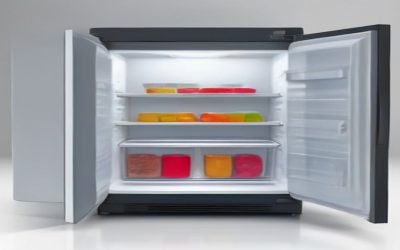
The listed 2 French Door Refrigerator Fridge with Nugget Ice Maker and Cube Ice is notable because it aims to provide both formats in one full-size appliance. That flexibility can be appealing in a busy household, although you should confirm how much storage each ice compartment provides and whether the dispenser switches easily between modes.
2. Match Production and Storage to Your Routine
Ice production and ice storage are different specifications. A machine may produce ice quickly but hold only a modest amount, while a large bin can keep a reserve ready for guests. Families who fill reusable bottles throughout the day should prioritize a generous bin and a reliable dispenser. Occasional ice users may care more about freezer organization and a quieter cycle.
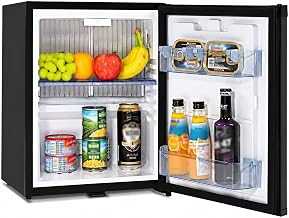
For entertaining, look for an ice maker that can replenish the bin before a gathering rather than relying on a last-minute freeze. A dedicated appliance such as the 2 in 1 Ice Maker & Beverage Fridge can make sense for a bar, outdoor kitchen, or secondary entertaining area. Its undercounter format separates drinks and ice from the main refrigerator, but it requires a suitable cabinet opening, ventilation, and a nearby water connection if the installation calls for one.
3. Consider Refrigerator Layout and Kitchen Proportions
French-door refrigerators are popular because the wide upper compartment keeps fresh foods at eye level, while the bottom freezer consolidates frozen storage. They also have a furniture-like presence: the horizontal doors can look balanced beneath upper cabinetry, especially when the finish and handles coordinate with nearby hardware.
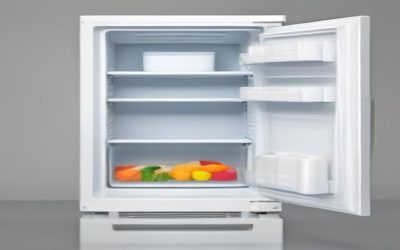
Measure more than the cabinet opening. Include door-swing clearance, handle projection, ventilation space, and the path from the entrance to the kitchen. A counter-depth model, such as the KoolMore Counter Depth French Door Refrigerator or Samsung 26 cu. ft. Mega Capacity Counter Depth 3-Door French Door Refrigerator, can create a cleaner, less protruding profile. In exchange, its shallower body may offer less front-to-back storage than a standard-depth refrigerator.
If capacity matters more than a flush appearance, the 16 Cu. Ft. French Door Refrigerator with Bottom Mount Freezer Drawer and the similarly specified LRAIN 16 Cu. Ft. French Door Refrigerator provide a straightforward full-size format. Compare their actual dimensions, shelf adjustability, water-dispenser configuration, and warranty details before choosing between them.
4. Check Filtration, Cleaning, and Maintenance
Fresh-tasting ice depends on more than the ice maker itself. If the refrigerator uses a water filter, check the replacement schedule, filter cost, and whether the filter is easy to access. A dispenser tray, ice chute, and removable bin should be simple to wipe and dry. Built-up moisture and old ice can create stale flavors, even in an otherwise excellent appliance.
Look for a clearly described cleaning cycle or maintenance guidance. Do not leave ice sitting indefinitely: empty the bin periodically, discard clumped or old ice, and clean food spills promptly. If your home has hard water, a whole-house or under-sink filtration system may help, but confirm that it is compatible with the refrigerator manufacturer’s requirements.
5. Evaluate Convenience Features Without Losing Sight of Basics
Four ice options, fast-freeze modes, internal water dispensers, and smart controls can be useful, but they should support—not distract from—the fundamentals. Samsung’s RF27CG5400SRAA 26 cu. ft. Counter-Depth French Door Refrigerator stands out for offering four types of ice, which may suit households with varied preferences. Before buying, verify which ice forms are produced automatically, how they share storage space, and whether selecting a type requires an app or can be done directly on the appliance.
Also consider sound levels, power requirements, service availability, and the cost of replacement parts. A sleek stainless finish is attractive, but fingerprint resistance and handle design can make a bigger difference to the room’s day-to-day appearance. The best refrigerator is one that performs consistently while remaining easy to live with and visually calm.
Tips
- Measure the full delivery route, including hallways, corners, stairways, and the final door opening.
- Run the ice maker after installation and discard the first batches according to the manufacturer’s instructions.
- Keep the ice bin below its maximum fill line so cubes do not jam the auger or dispenser chute.
- Match the finish and handle style to nearby appliances for a more intentional, built-in-looking kitchen.
Frequently Asked Questions
What refrigerator makes the best ice?
The best choice depends on your preferred ice style and demand. A refrigerator offering both nugget and cube ice provides flexibility, while a model with a large conventional bin may be better for families that primarily need dependable everyday cubes.
Are counter-depth refrigerators better for ice making?
Counter-depth describes the cabinet profile, not the ice-making performance. These refrigerators can look more streamlined, but their shallower storage may leave less room for a large ice bin. Compare production, bin capacity, and freezer organization separately.
Is a dedicated ice maker worth buying?
It can be worthwhile for frequent hosts, beverage stations, home bars, or households that regularly run out of refrigerator ice. An undercounter unit adds capacity without taking freezer space, though it costs more and needs careful planning for water, drainage, power, and ventilation.
How often should a refrigerator ice maker be cleaned?
Follow the appliance manual, but inspect the bin and chute regularly and clean them whenever you notice residue, odors, or clumping. Replacing the water filter on schedule and keeping the freezer free of uncovered foods also helps preserve ice quality.
Conclusion
The refrigerator with the best ice maker is the one that aligns ice style, production, storage, and kitchen proportions with your real routine. Choose nugget ice if texture is a priority, conventional cubes for dependable everyday use, or a dedicated undercounter unit when entertaining demands extra capacity. Measure carefully, investigate maintenance requirements, and treat the refrigerator as part of the room’s design—not merely another appliance.