
Key takeaways
- Warranty Description: 2 Year Manufacturer
- Tension Supported: 1000 pounds
- Handle Type: Fixed Handle
A power cage is the one piece of home gym equipment that dictates everything else: where the bar lives, how much floor you lose, whether you can bench heavy without a spotter. Most people shop it like furniture and regret it three months later, usually for one of two reasons — the uprights flex under a heavy squat, or the cage swallows a garage bay they still needed for a car. The fix is boring but effective: decide your steel gauge and your footprint before you look at a single price tag.
Two numbers do most of the work here. Upright dimensions (2×2, 2×3, or 3×3 inches) paired with wall thickness (11-gauge is the common serious spec, 14-gauge is lighter duty) tell you how the rack behaves at load. Then measure your ceiling. A standard 84-inch cage clears an overhead press for most lifters in an 8-foot basement, but if you have 7-foot joists or a garage door track in the way, a short rack or a folding wall-mount setup becomes the only honest answer. Everything below is sorted by that logic — steel first, space second.
Our top picks
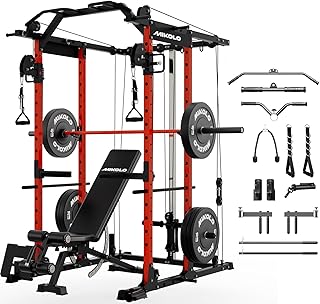
 ULTRA FUEGO Power Cage
- Warranty Description: 2 Year Manufacturer
- Tension Supported: 1000 pounds
- Handle Type: Fixed Handle
 SPORTSROYALS Power Rack
- 【Build with gym Quality】- Sportsroyals power cages are…
- 【Precision & Durable Pulley System】- Sportsroyals home gym…
- 【Train all your muscles with one machine】- Sportsroyals…
 DP01 Power Cage
- Warranty Description: 2 year
- Tension Supported: 2000 pounds
- Grip Size: Standard


As an Amazon Associate we earn from qualifying purchases at no extra cost to you.
As an Amazon Associate we earn from qualifying purchases.

Quick Comparison
| Rack | Uprights | Hole Pattern | Space Profile | Best For |
|---|---|---|---|---|
| Rogue R-3 Power Rack | 2×3″, 11-gauge | 1″ holes, Westside bench zone | Narrow depth, tall | Heavy lifting in a tight bay |
| Rep Fitness PR-4000 | 3×3″, 11-gauge | 1″ holes, numbered | Configurable depth | Long-term modular builds |
| Bells of Steel Hydra | 3×3″, 11-gauge | 1″ holes | Full cage or half-rack | Value at commercial spec |
| Titan T-3 Series | 2×3″, 11-gauge | 5/8″ hardware | Compact | Budget-first builds |
| Force USA MyRack Modular | 2×3″, heavy-gauge | Proprietary attachment rail | Expandable footprint | All-in-one gym replacement |
| PRx Profile PRO Folding Rack | 3×3″, 11-gauge | 1″ holes | Folds to ~5″ from wall | Shared garage space |
How to Choose
- Match steel to your ceiling load, not your ego. 11-gauge 2×3 uprights handle far more than most home lifters will ever rack. 3×3 buys stiffness, attachment compatibility, and resale value — pay for it if you plan to grow the rack.
- Measure three dimensions, then add clearance. Depth, width, and height, plus at least a foot behind the rack for a lat pulldown or plate storage, and enough overhead room to press without tapping a joist.
- Check the hole pattern and hardware size. One-inch holes with 1-inch or 5/8-inch pins define which J-cups, safeties, and third-party attachments will fit. Odd spacing locks you into one brand forever.
- Decide bolt-down or free-standing early. Anchoring into concrete lets a shallower cage stay planted during rack pulls; if you can’t drill, choose a deeper base or plan on loading the rack’s storage posts with plates.
- Count the safety options. Straps flex and forgive a dumped bar; pipe safeties are cheaper and rattle less. Either beats a rack that only offers flip-down spotter arms at one height.
Top Picks Reviewed
Rogue R-3 Power Rack
The R-3 earns its reputation on fit and finish: holes line up, pins slide without persuasion, and the 11-gauge 2×3 frame stays dead quiet at loads that make cheaper cages tick. Its real advantage for home use is depth — it’s a genuinely narrow cage that still gives you a proper working space inside, which matters in a single-car garage. The attachment catalog is deep, and bolt-down hardware is straightforward. You pay a premium, and shipping isn’t cheap, but nothing here needs upgrading later.
Rep Fitness PR-4000
If you want one rack to absorb every future idea — lat tower, dip bars, landmine, extra uprights — the PR-4000 is the sensible platform. The 3×3 11-gauge uprights and numbered 1-inch holes make repositioning J-cups fast, and the modular pricing lets you buy a bare cage now and add later. Assembly takes a couple of hours and a socket set. Configure the depth carefully at checkout: the extra inches are genuinely useful for accessories but eat floor space you can’t get back.
Bells of Steel Hydra
The Hydra hits close to commercial spec at a friendlier number, which makes it the value play for lifters who insist on 3×3 steel. Uprights are drilled on a 1-inch pattern, so most third-party attachments cross over, and the system converts between full cage and half-rack configurations depending on how much room you’re willing to give up. Powder coat quality is good rather than flawless. For a basement gym where the rack does squats, bench, and pull-ups, it’s hard to overspend past this.
Titan T-3 Series Power Rack
The T-3 is the entry point that doesn’t feel like a compromise on the lift itself. You get 11-gauge 2×3 uprights and a small footprint for a fraction of premium pricing. The tradeoff shows up in tolerances — expect a little hole-alignment fussing during assembly and pins that need a nudge. Spot-check the hardware, torque everything after the first week of use, and bolt it down if you can. For a first serious rack under budget pressure, it holds up.
Force USA MyRack Modular
This one is less a cage than a gym chassis. The MyRack’s attachment rail system accepts a functional trainer, lat pulldown, leg developer, and more, letting a single unit replace three machines in a room that can’t hold three machines. That’s the appeal and the caution: attachments are proprietary, so you’re committed to one ecosystem. Fully loaded, it also needs more clearance than the bare frame suggests. Worth it if cable work is non-negotiable and floor space isn’t.
PRx Profile PRO Folding Power Rack
For shared garages, folding beats compact. The Profile PRO mounts to studs and collapses to a few inches from the wall, giving the car its parking spot back in about ten seconds. The 3×3 11-gauge steel means you’re not trading strength for the trick — it’s a real rack that happens to fold. Requirements are the catch: solid stud or concrete wall, careful installation, and acceptance that you’ll unfold before every session. Depth inside is tighter than a free-standing cage.
Frequently Asked Questions
Do I need 3×3 uprights, or is 2×3 enough?
For nearly every home lifter, 11-gauge 2×3 is enough steel — the limiting factor is the bar and your bodyweight, not the tubing. Choose 3×3 when you want maximum attachment compatibility, a stiffer frame for rack pulls and pin presses, or better resale later. It’s an ecosystem decision more than a safety one.
How much ceiling height do I actually need?
An 80–84 inch cage fits most 8-foot ceilings with room to press inside the rack. Under about 7 feet 6 inches, look for a short rack, and check that pull-ups over the top crossmember still clear. Measure to the lowest obstruction — pipes, garage door tracks, light fixtures — not to the drywall.
Should I bolt the rack to the floor?
Bolt it down if you lift heavy, do rack pulls, or chose a narrower footprint. Anchoring eliminates walking and tipping risk entirely. If drilling isn’t an option, pick a deeper cage, load the weight storage posts, and consider stall mats plus a plywood platform to spread the load.
Are strap safeties better than pin-and-pipe?
Straps absorb a dropped bar more gently and are kinder to your barbell’s knurling and your floor. Pipes are cheaper, easier to reposition precisely, and better for pin-press work. Many lifters run both: straps for bench, pipes for squats.
Final Thoughts
Buy the rack that fits your room at the steel spec you won’t outgrow, and let everything else follow. If you have space and budget, a 3×3 modular cage like the PR-4000 or Hydra will outlast several rounds of training goals. If your garage is contested territory, a folding wall-mount rack solves a problem no free-standing cage can. And if money is the constraint, an 11-gauge budget cage bolted to concrete beats a flashy machine with thin tubing every time. Confirm current dimensions and hole spacing against your own measurements before ordering — a cage that’s two inches too tall is a very expensive lesson.
Best Portable Jump Starters: 10 Car Battery Boosters Compared by Engine Size and Extras
Best portable jump starters compared: 10 listings with stated engine sizes, air compressor combos, safety checks, a worked sizing example and use-case picks.
Best Squat Racks for Home Gyms and Small Spaces
Best Squat Racks for Home Gyms and Small Spaces The best squat...
Best Functional Trainer Machines for Home Gyms
The best functional trainer machines for most home gyms are dual-adjustable cable...
8 Best Gym Mats for Home: Rubber vs Foam Picks for Any Floor
Best gym mat for home choices come down to material density and...
8 Best Rowers for Home Gym: Air, Magnetic and Water Compared
Best rowers for home gym shortlists usually collapse once someone measures the...
8 Best Weight Home Gyms: 6 All-in-One Machines for Small Rooms
Best weight home gym decisions come down to two numbers before brand...
8 Best Home Gym Equipment for Beginners: The Starter Setup
Best home gym equipment for beginners is not a machine – it...
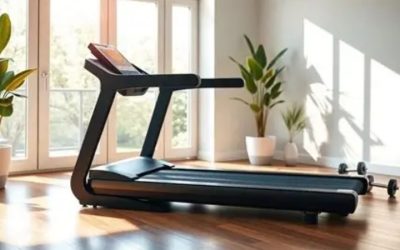
Best Treadmills for Home Gym: 5 Picks by Deck and Motor
Best treadmills for home gym decisions come down to two specifications and...
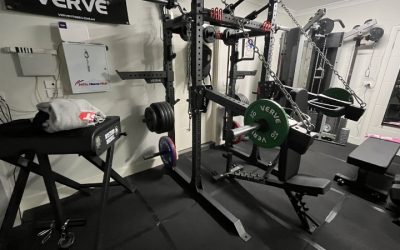
8 Best Home Gym Compact Setups: 6 Space-Saving Picks Ranked
Best home gym compact claims usually quote a stored footprint and stay...

Best Adjustable Bench for Home Gym: 5 Picks Ranked by Use
Best adjustable bench for home gym decisions turn on three numbers most...
Write Your Review
No reviews yet. Be the first to share your experience!