Key takeaways
- Tooth count: For trim, 80 to 120 teeth is a practical range, with more teeth generally favoring smoother cuts in thin or delicate stock.
- Tooth geometry: ATB teeth are versatile for wood, while TCG designs can be useful when your projects include laminates, composites, or other tougher surfaces.
- Blade diameter: Match the blade diameter to your saw. A 10-inch blade is not a suitable substitute for a 12-inch blade simply because the tooth count looks appealing.
- Arbor size: Confirm the arbor specification before ordering. A blade must seat securely and match the saw’s requirements without improvised adapters.
- Material mix: Solid wood, painted trim, plastic, composite boards, and aluminum each place different demands on a blade, so choose according to the materials you actually cut.
What's inside
Trim work is where an otherwise polished furniture project can lose its composure. A blade that is too coarse may leave fuzzy edges, chipped veneer, or tiny splinters along delicate molding; one that is poorly matched to the material can also make a miter saw feel surprisingly unruly. For interior projects, the goal is a cut that looks finished before paint, stain, or filler ever enters the picture.
This guide focuses on fine-tooth miter saw blades suited to baseboards, casing, furniture components, picture-frame stock, and other detail work. I’m weighing tooth count, tooth geometry, material compatibility, arbor fit, and the kind of clean cutting experience that matters when every exposed edge contributes to the room’s final look.
As an Amazon Associate we earn from qualifying purchases.



🛒 Best Price Today on Amazon
Prime members get fast, free shipping on everything above, plus member-only deals. New members get a 30-day free trial — cancel anytime.
How to Choose a Miter Saw Blade For Trim (2026)
- Tooth count: For trim, 80 to 120 teeth is a practical range, with more teeth generally favoring smoother cuts in thin or delicate stock.
- Tooth geometry: ATB teeth are versatile for wood, while TCG designs can be useful when your projects include laminates, composites, or other tougher surfaces.
- Blade diameter: Match the blade diameter to your saw. A 10-inch blade is not a suitable substitute for a 12-inch blade simply because the tooth count looks appealing.
- Arbor size: Confirm the arbor specification before ordering. A blade must seat securely and match the saw’s requirements without improvised adapters.
- Material mix: Solid wood, painted trim, plastic, composite boards, and aluminum each place different demands on a blade, so choose according to the materials you actually cut.
The Best Miter Saw Blade For Trim (2026)s Reviewed
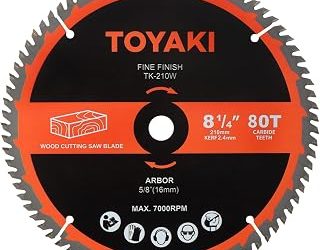
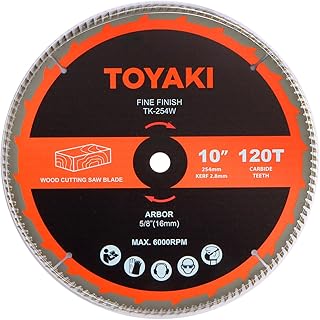
10-Inch 120-Tooth Fine-Finish Blade
This high-tooth-count 10-inch blade is aimed squarely at detail-focused woodworking, making it an appealing choice for crisp miters and fine furniture components. Its 5/8-inch arbor specification suits many common 10-inch saws, but compatibility should be checked against your particular model before purchase.
WEN BL1080 10-Inch 80-Tooth Blade
The WEN BL1080 takes a slightly more versatile approach with 80 carbide-tipped teeth. It should appeal to decorators and DIY woodworkers who want a smooth finish for trim without moving all the way to an ultra-high tooth count that may feel more specialized.
10-Inch 120-Tooth TCG Aluminum-Working Blade
With a TCG tooth profile and an ultra-fine 120-tooth configuration, this blade is an interesting option for projects that go beyond ordinary softwood trim. It is particularly worth considering for makers who work with wood alongside composite materials or occasional aluminum-related applications, provided the saw and material guidelines align.
DEWALT DWA112100 12-Inch 100-Tooth Blade
The DWA112100 brings a 100-tooth fine-finish design to 12-inch miter saws. For larger saws used on substantial casing, wide boards, or furniture stock, it offers the kind of dense tooth pattern that complements a clean, presentation-ready edge.
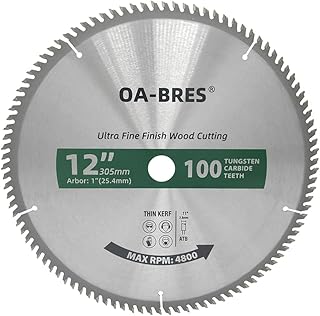
12-Inch 100-Tooth ATB TCT Blade
This 12-inch ATB TCT blade is built around ultra-fine wood cutting and a 1-inch arbor. Its specification makes it a natural candidate for users with compatible 12-inch miter or table saws who prioritize neat wood cuts for larger trim and joinery projects.
Frequently Asked Questions
Is a higher tooth count always better for trim?
Not necessarily. A higher tooth count can produce a smoother-looking cut, but the best choice also depends on the stock thickness, feed rate, saw condition, and whether you are cutting across or along the grain.
What tooth count is best for baseboards?
An 80-tooth blade is a strong all-purpose starting point for many 10-inch saws. If you regularly cut thin casing, delicate molding, veneer, or visible furniture parts, a 100- or 120-tooth blade may better suit your finish expectations.
Can these blades cut materials besides wood?
Some listed blades are described for composites, plastic, or aluminum, but that does not make every blade suitable for every material. Follow the manufacturer’s intended-use guidance and never assume a wood blade is appropriate for metal.
How can I reduce splintering on a miter cut?
Use a sharp, properly installed blade, support the workpiece firmly, and let the saw reach full speed before entering the material. A sacrificial backing board or painter’s tape can also help protect fragile faces, though it should complement—not replace—a suitable blade.
Final Thoughts
For classic wood trim, the WEN BL1080 is a balanced place to start, while the 10-inch 120-tooth fine-finish blade is attractive for especially detail-conscious work. Owners of larger saws should look closely at the DEWALT DWA112100 for a refined 12-inch option, always confirming arbor size and saw compatibility before ordering.