
Key takeaways
- Count the incline stops, not the marketing angles. A bench with settings at 15, 30, and 45 degrees gives you three distinct chest stimuli. One that jumps from flat to 45 leaves the most productive incline — the low 30s — unavailable.
- Check the seat-to-back gap. A wide gap between pads digs into your lower back under load and forces your hips to drift. Look for benches where the two pads nearly meet at every incline setting.
- Match the load ceiling to your press, not your curl. Most lifters outgrow 52.5 lb dumbbells on flat press within a year of consistent training. If you already press 40s for sets of ten, buy the 80 lb pair and skip the upgrade cycle.
- Measure the dumbbell barrel. Adjustable dumbbells are longer than fixed ones, which changes how they sit at the bottom of an incline press. A shorter overall length lets you get a deeper stretch without the plates hitting your ribs or shoulders.
- Prioritize a stable base over a light frame. Foldable benches save floor space but flex when you drive hard through your heels. If your training is heavy and low-rep, weight and footprint are features.
Most home chest training stalls for a boring reason: the bench never moves. A flat press hammers the sternal fibers of the pectoralis major and then quietly ignores everything above them, so the upper chest stays thin while the mid-chest keeps growing. Tilt the backrest to roughly 30 degrees and the line of pull shifts toward the clavicular head — the shelf of muscle that fills out a t-shirt near the collarbone. Drop to a slight decline and the lower pec border sharpens. Same dumbbells, same rep ranges, three different outcomes, all decided by a pin and a ladder of holes.
That is the case for treating your bench as the primary piece of equipment and the dumbbells as the second. A pair of adjustable dumbbells and a bench with real incline granularity will out-train a rack of fixed weights and a flat slab every time, because you can rotate angles week to week without changing exercises. What follows are the benches, dumbbells, and support gear worth building that setup around, plus the specific angles I program on each one.
As an Amazon Associate we earn from qualifying purchases.
As an Amazon Associate we earn from qualifying purchases.


#2 Pick

#3 Pick

#4 Pick
#5 Pick

#6 Pick

#7 Pick

Quick Comparison
| Pick | Category | Best For | Angle / Load Notes |
|---|---|---|---|
| REP Fitness AB-3000 | Adjustable bench | Heavy pressing, long-term use | Multiple incline stops plus decline; low pad gap |
| Bowflex 5.1S Stowable Bench | Adjustable bench | Apartments and shared rooms | Six back positions including decline; folds upright |
| FLYBIRD Adjustable Bench | Adjustable bench | First bench on a budget | Wide incline range, light frame, quick fold |
| Bowflex SelectTech 552 | Adjustable dumbbells | Beginner to intermediate presses | Dial adjustment, 5 lb increments up to 52.5 lb |
| NÜOBELL 80 lb Pair | Adjustable dumbbells | Strong pressers, fast supersets | Twist-handle changes, compact barrel, higher ceiling |
| Amazon Basics Rubber Hex Dumbbells | Fixed dumbbells | Flyes, pullovers, warm-ups | Buy in pairs; grab-and-go, no mechanism to fail |
How to Choose
- Count the incline stops, not the marketing angles. A bench with settings at 15, 30, and 45 degrees gives you three distinct chest stimuli. One that jumps from flat to 45 leaves the most productive incline — the low 30s — unavailable.
- Check the seat-to-back gap. A wide gap between pads digs into your lower back under load and forces your hips to drift. Look for benches where the two pads nearly meet at every incline setting.
- Match the load ceiling to your press, not your curl. Most lifters outgrow 52.5 lb dumbbells on flat press within a year of consistent training. If you already press 40s for sets of ten, buy the 80 lb pair and skip the upgrade cycle.
- Measure the dumbbell barrel. Adjustable dumbbells are longer than fixed ones, which changes how they sit at the bottom of an incline press. A shorter overall length lets you get a deeper stretch without the plates hitting your ribs or shoulders.
- Prioritize a stable base over a light frame. Foldable benches save floor space but flex when you drive hard through your heels. If your training is heavy and low-rep, weight and footprint are features.
Top Picks Reviewed
REP Fitness AB-3000 Adjustable Bench
This is the bench I recommend when someone plans to keep pressing for a decade. The ladder adjustment gives you usable stops across the whole incline range, and the decline setting with leg rollers means you can actually train the lower pec instead of pretending flat covers it. The pad is firm enough that your shoulder blades stay pinned rather than sinking, which is the difference between pressing from a stable platform and pressing from a mattress. It is heavy and it does not fold, so plan the floor space before it arrives.
Bowflex 5.1S Stowable Bench
The compromise pick for anyone training in a bedroom or a corner of the garage. Six back positions cover decline through steep incline, and the frame stands vertically when you are done, which reclaims most of its footprint. Set it at the second incline notch for your primary press, then flatten it for flyes in the same session. The pad is narrower than a commercial bench, which some lifters find helps their shoulder blades retract on incline work.
FLYBIRD Adjustable Weight Bench
If the budget is tight and the alternative is pressing on the floor, this earns its place. You get a genuinely wide incline range and a fold-flat design that slides under a bed. Treat it as a bench for the 30–70 lb dumbbell range rather than a platform for maximal work, keep the feet on non-slip flooring, and retighten the hardware after the first few weeks. For flyes, presses, and pullovers at moderate loads it does the job without complaint.
Bowflex SelectTech 552 Adjustable Dumbbells
Five-pound jumps and a dial you turn in about two seconds. That speed matters more for chest than for any other muscle group, because the best dumbbell chest sessions involve dropping the load between angles — heavier at 30 degrees, lighter at 45, lighter still for flyes. Running that progression with fixed dumbbells means owning six pairs. The trade-off is barrel length: the 552 is long, so on deep incline presses keep your elbows tracking at about 45 degrees from your torso rather than flared wide.
NÜOBELL 80 lb Adjustable Dumbbells
The upgrade for lifters who already press with intent. Loads go well past what most home setups offer, the twist-the-handle mechanism changes weight without lifting the dumbbell out of the cradle, and the barrel is noticeably more compact than most competitors — a real advantage at the bottom of a flat press where plate clearance decides your range of motion. Expensive, and the mechanism rewards people who return them to the cradle properly instead of dropping them.
Amazon Basics Rubber Encased Hex Dumbbells
Buy two or three specific pairs — something in the 15–25 lb range and something in the 30–35 lb range — and use them for the work where adjustables are awkward: incline flyes, dumbbell pullovers, and warm-up sets. The rubber encasing protects flooring, the hex heads stay put, and there is no locking mechanism to inspect. Cheap, indestructible, and a useful complement rather than a replacement for adjustables.
Frequently Asked Questions
What bench angles should I actually use?
Three cover almost everything. Around 30 degrees for your heaviest pressing, since it recruits the upper chest without handing the work to your front delts. Flat for volume and for flyes, where the resistance curve suits a horizontal line of pull. A shallow decline of 10–15 degrees for lower-pec emphasis. Beyond about 50 degrees, shoulders take over and it stops being a chest exercise.
Are dumbbells enough without a barbell?
For chest development, yes. Dumbbells allow a longer range of motion at the bottom, let each side move independently so a weaker side cannot hide, and place less strain on the shoulder joint at end range. What you give up is the ability to load extremely heavy safely, which matters for strength competition and very little for hypertrophy.
How heavy do my dumbbells need to be?
Pick a ceiling that is roughly double your current working incline press weight. If you press the 30s for eight reps today, a 52.5 lb pair gives you two or three years of progression. If you are already pressing 45s or 50s, go straight to an 80 lb pair — the resale hassle of outgrowing a set costs more than the upgrade.
Do I need a decline setting?
It is a nice-to-have, not a requirement. You can bias the lower chest with a slight decline, but dips and a flat press with a moderate arch cover similar ground. Prioritize incline granularity first; treat decline as a tiebreaker between two otherwise equal benches.
Final Thoughts
Build the setup in this order: a bench with real incline stops and a tight pad gap, one pair of adjustable dumbbells with a ceiling you will not hit soon, then a couple of fixed pairs for flyes and warm-ups. Then use it properly — rotate 30 degrees, flat, and a shallow decline across the training week, keep your shoulder blades retracted on every rep, and lower until you feel the stretch across the chest rather than stopping short at your elbows. The gear only decides what is possible; the angle you set decides what grows.
8 Best Ab Workouts with Dumbbells: 6 Support Picks Compared
Best ab workouts with dumbbells are limited more often by position than...
Best Budget Adjustable Dumbbell: 6 Picks and Trade-Offs
Best budget adjustable dumbbell shopping is really a question about what you...
Best Abs Exercise with Dumbbells: 6 Picks by Coating Type
Best abs exercise with dumbbells movements rest the weight against your chest,...
Best Abs Workout with Dumbbells: 6 Picks for Fast Circuits
Best abs workout with dumbbells formats are almost always circuits, and circuits...
Best at Home Dumbbells: 6 Picks for Sharing a Household
Best at home dumbbells guides assume one user. Most households have two,...
Best Dumbbells Home Gyms Use: 6 Picks Ranked by Delivery
Best dumbbells home buyers compare weight ranges and then discover the real...
8 Best Ab Exercises with Dumbbells: 6 Floor-Friendly Picks
Best ab exercise with dumbbells options are mostly done lying down, which...
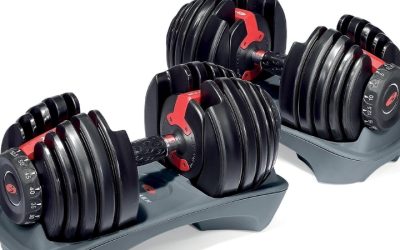
Best Dumbbell Set for Home Gym: 5 Picks Ranked by Space
Best dumbbell set for home gym shopping starts with a definition problem....
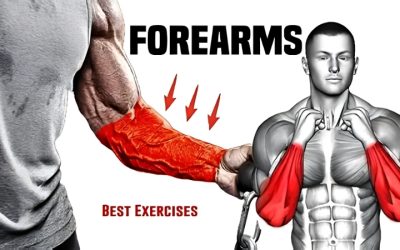
8 Best Workouts for Forearms with Dumbbells: 5 Gear Choices
Best workout for forearms with dumbbells depends less on the exercise list...
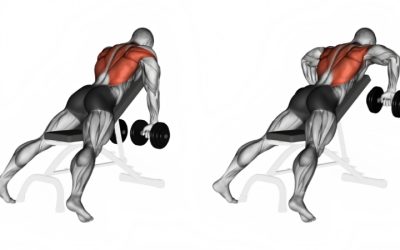
Best Lat Exercises Dumbbells: 6 Picks for Heavy Row Work
Best lat exercises dumbbells face a problem arm work never does: the...
Write Your Review
No reviews yet. Be the first to share your experience!