Key takeaways
- Sheen: Satin is usually the most versatile choice because it softens glare and disguises minor marks, while gloss creates a more reflective, formal look.
- Formula: Water-based finishes typically stay clearer and clean up easily; oil-based polyurethane can add warmth and depth, especially to darker or amber-friendly woods.
- Durability: Look for scratch, stain, and water resistance when the table will handle daily meals, children’s activities, or frequent entertaining.
- Application: Fast-drying products can shorten a project, but they may require more careful brushing. Self-leveling formulas are helpful for achieving a smoother surface.
- Coverage: Check the container size and estimated coverage before starting. Large tabletops, leaves, and multiple coats can use considerably more finish than expected.
What's inside
Choosing a finish for a dining room table is less glamorous than choosing the wood, chairs, or lighting—but it determines how well the whole setting ages. The wrong polyurethane can leave a tabletop looking cloudy, overly glossy, streaky, or vulnerable to rings, scratches, and everyday spills. Sheen matters too: a mirror-like gloss highlights every imperfection, while a soft satin finish is generally more forgiving in a busy dining space.
This guide compares practical options for protecting dining tables, from clear water-based coatings to warm-toned oil-based polyurethane. I’m focusing on the details that matter in an interior: how the finish changes the wood’s character, how easy it is to apply, how much protection it offers, and whether it suits a modern, traditional, or relaxed dining room. Always follow the label, ventilate well, and allow the finish to cure fully before regular use.
As an Amazon Associate we earn from qualifying purchases.


How to Choose a Polyurethane For Dining Room Table (2026)
- Sheen: Satin is usually the most versatile choice because it softens glare and disguises minor marks, while gloss creates a more reflective, formal look.
- Formula: Water-based finishes typically stay clearer and clean up easily; oil-based polyurethane can add warmth and depth, especially to darker or amber-friendly woods.
- Durability: Look for scratch, stain, and water resistance when the table will handle daily meals, children’s activities, or frequent entertaining.
- Application: Fast-drying products can shorten a project, but they may require more careful brushing. Self-leveling formulas are helpful for achieving a smoother surface.
- Coverage: Check the container size and estimated coverage before starting. Large tabletops, leaves, and multiple coats can use considerably more finish than expected.
The Best Polyurethane For Dining Room Table (2026)s Reviewed
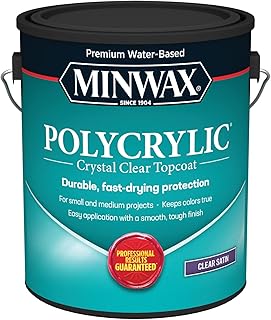
Minwax Polycrylic Protective Finish, Satin
Minwax 63333444 Polycrylic Protective Finish is a strong all-around choice for a dining table when you want a clear, low-key satin surface. Its water-based formula is particularly appealing for pale woods, painted bases, and contemporary interiors where preserving the original color is more important than adding an amber cast.
Varathane Water-Based Ultimate Gloss Polyurethane
Varathane Water-Based Ultimate Gloss Polyurethane suits a table designed to be a visual centerpiece. The crystal-clear gloss emphasizes grain and gives the surface a polished appearance, although it demands careful preparation because high sheen tends to reveal dust, brush marks, and uneven sanding.
Minwax Fast-Drying Polyurethane, Warm Satin
Minwax Fast Drying Polyurethane Protective Wood Finish in Warm Satin is a compelling option for traditional dining furniture or woods that benefit from a slightly richer, warmer appearance. It can create an inviting, furniture-like finish, but plan for good ventilation and allow adequate drying and curing time between coats.
Varathane Triple Thick Polyurethane Gloss
Varathane Triple Thick Polyurethane Gloss Wood Finish is designed for substantial coverage with a self-leveling formula and one-coat protection claim. It is worth considering when you want a dramatic gloss and a streamlined application, but test it on scrap wood first: thick finishes can look heavy on delicate grain or heavily figured surfaces.
Water-Based Clear Gloss Polyurethane, 100 ml
This compact water-based clear gloss polyurethane is best suited to small repairs, sample boards, narrow table components, or touch-up work rather than coating a full dining tabletop. Its small 100 ml quantity makes it convenient for testing sheen and compatibility before committing to a larger finish.
Frequently Asked Questions
Is satin or gloss polyurethane better for a dining table?
For most dining rooms, satin offers the best balance of appearance and practicality. It reflects less light and tends to conceal fingerprints and light wear, while gloss is a better fit when you specifically want a sleek, high-impact surface and are comfortable with more visible maintenance.
How many coats of polyurethane should a dining table have?
The correct number depends on the product, wood, and expected use, so follow the manufacturer’s instructions. In general, multiple thin coats provide more consistent protection than one thick coat, with light sanding between coats only when the label recommends it.
Should I use water-based or oil-based polyurethane?
Choose water-based polyurethane when you want a clearer finish, quicker cleanup, and less change to the wood’s color. Oil-based polyurethane is attractive for classic interiors because it can deepen the tone and add warmth, but it usually has a stronger odor and a longer drying process.
How long should polyurethane cure before using the table?
Dry to the touch does not mean fully cured. Keep the tabletop free from dishes, placemats, moisture, and heavy use for the period stated on the product label; when in doubt, give it extra time, particularly in cool or humid conditions.
Final Thoughts
For the most adaptable dining-room finish, Minwax Polycrylic Protective Finish in Satin is the standout choice, while Minwax Fast Drying Polyurethane in Warm Satin brings extra warmth to traditional wood furniture. If your design calls for a statement-making reflective surface, Varathane Water-Based Ultimate Gloss Polyurethane is the more expressive pick—provided the preparation is meticulous.