Key takeaways
- Water- or oil-based: Water-based formulas usually stay clearer and dry faster, while oil-based finishes often add warmth and depth to natural wood.
- Sheen: Satin is forgiving and relaxed, semi-gloss offers a little more reflection, and gloss creates a high-impact polished look that shows surface imperfections more readily.
- Durability: Look for scratch, stain, and moisture resistance, especially if the table is used daily for family meals or entertaining.
- Application: Fast-drying and self-leveling formulas can simplify a large tabletop project, while wipe-on finishes are useful for controlled, low-drip application.
- Wood color: Clear water-based polyurethane suits pale woods and modern interiors; oil-based products can enrich walnut, oak, pine, and other warm-toned species.
What's inside
Choosing a finish for a dining table is less straightforward than picking a sheen from a paint chart. The surface must handle plates, cutlery, spilled drinks, heat, fingerprints, and regular cleaning without looking plasticky or yellowed. The wrong polyurethane can also highlight brush marks, alter the wood’s color, or leave a finish that is difficult to repair.
This guide compares the best polyurethane options for dining tables in 2026, with an interior-styling eye toward clarity, sheen, durability, application, and the way each finish complements different woods and decorating styles. Whether you want a barely-there protective layer or a polished statement surface, these picks make the decision easier.
As an Amazon Associate we earn from qualifying purchases.


How to Choose a Polyurethane for Dining Table (2026)
- Water- or oil-based: Water-based formulas usually stay clearer and dry faster, while oil-based finishes often add warmth and depth to natural wood.
- Sheen: Satin is forgiving and relaxed, semi-gloss offers a little more reflection, and gloss creates a high-impact polished look that shows surface imperfections more readily.
- Durability: Look for scratch, stain, and moisture resistance, especially if the table is used daily for family meals or entertaining.
- Application: Fast-drying and self-leveling formulas can simplify a large tabletop project, while wipe-on finishes are useful for controlled, low-drip application.
- Wood color: Clear water-based polyurethane suits pale woods and modern interiors; oil-based products can enrich walnut, oak, pine, and other warm-toned species.
The Best Polyurethane for Dining Table (2026) Reviewed
Varathane Water-Based Ultimate Gloss Polyurethane
For a contemporary dining table that should retain its original color, Varathane Water-Based Ultimate Gloss Polyurethane is a strong choice. Its crystal-clear finish dries quickly and offers useful scratch resistance, while the high-gloss surface brings out the grain with a crisp, design-forward sheen. It is especially appealing on light oak, maple, and painted wood where ambering would be distracting.
Minwax Fast-Drying Polyurethane Warm Satin
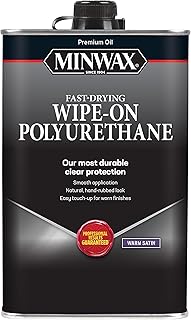
Minwax Fast Drying Polyurethane in Warm Satin is the pick for a classic, inviting table rather than a showroom-shiny one. The oil-based formula gives wood a richer appearance and the satin sheen disguises minor handling marks better than gloss. It works beautifully with traditional, farmhouse, and transitional interiors, although its warm cast should be tested on very pale wood first.
Varathane Triple Thick Polyurethane Gloss
When reducing the number of coats matters, Varathane Triple Thick Polyurethane Gloss stands out with its one-coat protection and self-leveling formula. The crystal-clear finish is designed to resist scratches and stains, making it appealing for a busy tabletop. Apply it carefully over a well-prepared surface: a thick glossy film can make sanding imperfections or dust nibs more noticeable.
Minwax Fast-Drying Polyurethane Clear Semi-Gloss
Minwax Fast Drying Polyurethane in Clear Semi-Gloss offers a balanced middle ground between a subdued satin table and a highly reflective gloss finish. It adds definition and wipe-clean practicality without dominating the room. This is a versatile option for dining furniture that needs a slightly polished appearance while remaining suitable for everyday use.
Minwax Polycrylic Protective Finish Satin
Minwax 63333444 Polycrylic Protective Finish in Satin is a dependable water-based option for maintaining a light, natural-looking tabletop. It dries clear with a soft reflection and is a smart match for white oak, birch, painted surfaces, and Scandinavian-inspired rooms. Its low-odor application and quick drying time are convenient indoors, but careful surface preparation and thin coats remain essential.
Frequently Asked Questions
Is water-based or oil-based polyurethane better for a dining table?
Neither is universally better. Water-based polyurethane is typically clearer, faster drying, and less likely to change pale wood, while oil-based polyurethane provides a warmer appearance and often feels particularly rich on traditional hardwood furniture.
What sheen is best for a dining table?
Satin is the easiest everyday choice because it softens glare and hides small marks. Semi-gloss offers a cleaner, more tailored look, while gloss is best when you want the tabletop to function as a prominent decorative feature.
How many coats of polyurethane should a dining table have?
Follow the product label, but most standard finishes benefit from multiple thin coats with light sanding between applications. Thin, even layers generally look smoother and perform more reliably than one heavy application.
Can polyurethane protect a table from hot dishes?
Polyurethane improves resistance to moisture, stains, and everyday wear, but it is not a guarantee against heat damage. Use trivets beneath hot cookware and wipe spills promptly, particularly with glossy or dark finishes that can reveal marks quickly.
Final Thoughts
For a clear modern finish, Varathane Water-Based Ultimate Gloss Polyurethane is an excellent choice; Minwax Warm Satin brings the most warmth and relaxed character, while Minwax Polycrylic Satin is a practical low-odor option for pale or painted tables. Whichever you choose, meticulous sanding, dust control, and thin coats will have as much influence on the final look as the product itself.