Key takeaways
- Measure the whole zone: Leave roughly thirty-six inches around the table where possible, accounting for chair movement and nearby doors, cabinets, or appliances.
- Prioritize flexibility: Drop leaves, flip leaves, folding tops, and extension mechanisms let you keep the table compact for everyday meals and enlarge it for guests.
- Match the shape to the room: Round and oval tables soften traffic flow, while rectangular designs can make better use of a narrow wall or kitchen nook.
- Check everyday practicality: Look for sturdy legs, a stable locking mechanism, wipe-clean surfaces, and construction that will tolerate regular family use.
- Think beyond seating: Built-in shelves, concealed storage, casters, or nesting chairs can make a small dining table considerably more useful.
What's inside
Choosing a dining table for a compact home is less about squeezing in the smallest surface and more about finding a piece that works with the room’s daily rhythm. A table needs to leave enough space to walk around, pull out chairs, and live comfortably—without making an apartment kitchen or open-plan living area feel crowded.
This guide focuses on flexible designs that earn their footprint, including expandable, drop-leaf, folding, and table-and-chair options. I’ve considered seating capacity, storage, mobility, materials, and how naturally each style can blend into a thoughtfully furnished small space.
As an Amazon Associate we earn from qualifying purchases.



How to Choose a Dining Table For Small Spaces (2026)
- Measure the whole zone: Leave roughly thirty-six inches around the table where possible, accounting for chair movement and nearby doors, cabinets, or appliances.
- Prioritize flexibility: Drop leaves, flip leaves, folding tops, and extension mechanisms let you keep the table compact for everyday meals and enlarge it for guests.
- Match the shape to the room: Round and oval tables soften traffic flow, while rectangular designs can make better use of a narrow wall or kitchen nook.
- Check everyday practicality: Look for sturdy legs, a stable locking mechanism, wipe-clean surfaces, and construction that will tolerate regular family use.
- Think beyond seating: Built-in shelves, concealed storage, casters, or nesting chairs can make a small dining table considerably more useful.
The Best Dining Table For Small Spaces (2026)s Reviewed
Solid Wood Expandable Dining Table
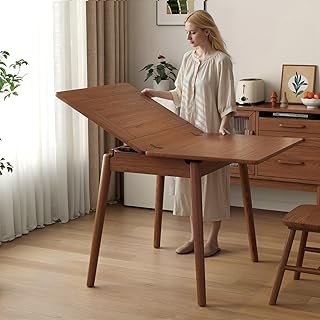
This walnut-finish table expands from approximately 23.6 to 47.2 inches, giving a compact household a genuinely adaptable dining surface. Its warm wood appearance suits relaxed interiors, and the 2-to-6-person capacity makes it a sensible choice for apartments that occasionally host guests.
AWQM 3-Piece Dining Table Set
For buyers who need seating included, the AWQM set pairs a small table with two chairs in a space-conscious footprint. Its breakfast-nook proportions are particularly appealing for kitchens, studios, and dining corners where coordinating separate furniture would be awkward.
35.4-Inch Round-to-Oval Extendable Table
This clever oak-style design begins as a round table and extends into an oval with a leaf, helping it feel friendly and unobtrusive during everyday use. The rounded edges improve circulation in tight rooms, while hidden storage adds a useful layer of functionality without visual clutter.
Drop-Leaf Folding Table with Storage and Wheels
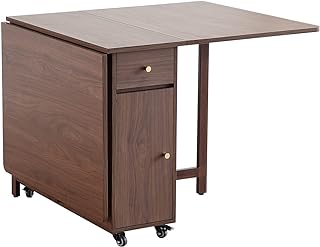
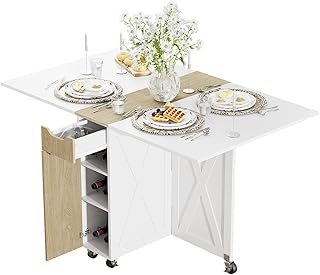
Designed for maximum adaptability, this walnut table can fold down when floor space is needed and roll into position on locking casters. The farmhouse-inspired profile brings character, while the storage area makes it attractive for homes where the dining table may also serve as a work, craft, or serving station.
42–58-Inch Round Extendable Table
With a built-in flip leaf, this table offers a smooth transition from a compact round shape to a larger oval surface for four to six diners. The storage shelf and metal legs give it a practical modern character, making it a strong fit for small apartments that need occasional entertaining capacity.
Frequently Asked Questions
What shape of dining table is best for a small space?
Round and oval tables are often easiest to live with because they eliminate sharp corners and create a smoother path through the room. A narrow rectangular table can be better when it must sit flush against a wall or align with a galley-style kitchen.
How much space should I leave around a dining table?
Aim for about 36 inches between the table edge and walls, counters, or other furniture so chairs can move comfortably. If the room is especially tight, prioritize clear access on the sides used most often rather than blocking a doorway or main walkway.
Are extendable tables worth it for apartments?
Yes, provided the extension is easy to operate and stores neatly. An extendable table allows a smaller daily footprint while still giving you useful seating for visitors, which is often more practical than keeping a large table in place all year.
Is a folding dining table sturdy enough for everyday meals?
A well-built folding table can be perfectly suitable for daily use, but inspect the hinges, wheel locks, leg support, and overall weight rating. Folding convenience should not come at the expense of a stable top or reliable locking hardware.
Final Thoughts
The Solid Wood Expandable Dining Table is a versatile all-rounder for shoppers who want a warm, adaptable centerpiece, while the AWQM 3-Piece Set is especially practical for furnishing a compact nook in one purchase. For the most flexible entertaining setup, the round-to-oval extendable table combines a welcoming shape with a space-saving transformation that feels genuinely useful rather than gimmicky.