Key takeaways
- Wood species: Oak, acacia, birch, and bamboo each offer a different grain pattern, hardness, and color story. Choose the species that complements your flooring, cabinetry, and chairs rather than treating “solid wood” as a complete specification.
- Size and proportion: Allow roughly 24 inches of table width per diner and leave comfortable circulation space around the table. A six-person table usually works best when it is at least 60 inches long, though room dimensions matter just as much.
- Finish: A sealed surface is easier to wipe clean, while an unfinished top offers more freedom for staining and custom finishing. Check whether the finish is matte, satin, distressed, or glossy before committing to the table’s overall look.
- Construction: Look for sturdy aprons, dependable leg joints, and a top designed to resist excessive movement. Kiln-dried wood can help with stability, but seasonal expansion and contraction are still normal in solid timber.
- Style longevity: A dramatic live edge or heavily rustic finish may dominate the room. For long-term flexibility, prioritize a well-scaled silhouette and a wood tone that can work with changing rugs, lighting, and dining chairs.
What's inside
Choosing the best hardwood for a dining table is less straightforward than it looks. A table can appear beautiful online yet feel too narrow for everyday place settings, show scratches quickly, or overwhelm the room with a bulky base. The right choice depends on wood species, finish, proportions, seating needs, and how much maintenance you are willing to accept.
This guide approaches the decision from an interior-styling perspective, balancing visual character with practical performance. We cover ready-to-use dining tables and versatile solid-wood tops, with options for farmhouse, modern, mid-century, and custom interiors. Product links may be affiliate links, which means this site may earn a commission at no extra cost to you.
As an Amazon Associate we earn from qualifying purchases.




How to Choose a/an Hardwood For Dining Table (2026)
- Wood species: Oak, acacia, birch, and bamboo each offer a different grain pattern, hardness, and color story. Choose the species that complements your flooring, cabinetry, and chairs rather than treating “solid wood” as a complete specification.
- Size and proportion: Allow roughly 24 inches of table width per diner and leave comfortable circulation space around the table. A six-person table usually works best when it is at least 60 inches long, though room dimensions matter just as much.
- Finish: A sealed surface is easier to wipe clean, while an unfinished top offers more freedom for staining and custom finishing. Check whether the finish is matte, satin, distressed, or glossy before committing to the table’s overall look.
- Construction: Look for sturdy aprons, dependable leg joints, and a top designed to resist excessive movement. Kiln-dried wood can help with stability, but seasonal expansion and contraction are still normal in solid timber.
- Style longevity: A dramatic live edge or heavily rustic finish may dominate the room. For long-term flexibility, prioritize a well-scaled silhouette and a wood tone that can work with changing rugs, lighting, and dining chairs.
The Best Hardwood For Dining Table (2026)s Reviewed
BAKEVE Bamboo Dining Table
The BAKEVE Bamboo Dining Table is a polished choice for smaller dining areas, breakfast nooks, and multipurpose rooms. Its 47.2-inch rectangular profile seats four to six and combines a warm walnut appearance with a clean silhouette that can lean farmhouse or mid-century depending on the chairs. FSC-certified bamboo gives it a wood-like visual character while keeping the design relatively approachable for compact homes.
Howizz Acacia Wood Table Top
The Howizz 55 x 28-inch solid acacia tabletop is best viewed as a styling component rather than a complete dining table. Its dark walnut stain and compact dimensions suit a custom dining base, apartment table, or convertible office-dining setup. Acacia’s varied grain adds visual texture, although buyers should confirm the support system and finish suitability before using it as a full-time dining surface.
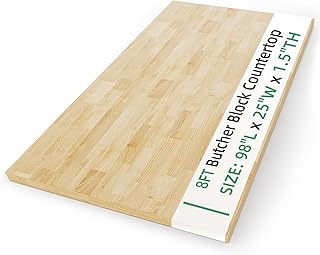
Butcher Block Birch Tabletop
This 98 x 25 x 1.5-inch birch butcher-block top is the strongest option for a tailored dining project. The generous length can create a dramatic banquette table or long family table, while the unfinished surface lets you select the stain, oil, or protective coating that best matches your scheme. It requires more planning than a finished table, but the customization potential is excellent.
Pemberly Row Solid Acacia Dining Table
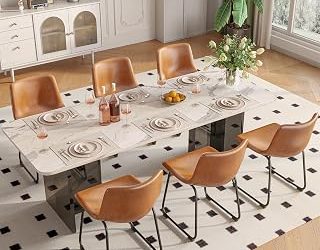
With its 79 x 40-inch top, crossed legs, and angular base, the Pemberly Row table makes a confident centerpiece for a modern dining room. The natural acacia finish highlights organic grain variation, while the kiln-dried hardwood construction and seating capacity for up to six make it practical for regular entertaining. Pair it with streamlined upholstered chairs to soften the geometry.
Plank+Beam Classic 72-Inch Dining Table
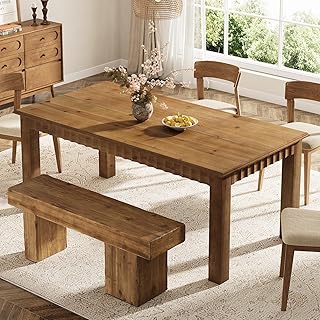
The Plank+Beam Classic offers an easy route to a welcoming farmhouse-inspired dining room. Its 72-inch solid-wood surface provides comfortable space for six, and the pecan wirebrush finish brings subtle texture without the visual heaviness of an aggressively distressed table. Non-toxic finishes and straightforward assembly are appealing details for buyers who want a finished look with minimal setup.
Frequently Asked Questions
What is the best hardwood for a dining table?
There is no single best species for every home. Oak and maple are valued for durability, acacia offers expressive grain and warm variation, birch provides a smooth base for finishing, and bamboo is a practical choice when a lighter, contemporary look is preferred.
Is acacia good for a dining table?
Yes. Acacia is attractive, reasonably durable, and naturally varied, making each table visually distinctive. Its color variation can be noticeable, so order expectations should favor organic character over perfectly uniform grain.
How thick should a solid-wood dining tabletop be?
Many dining tops fall between about 0.75 and 1.5 inches, depending on the design and support structure. A thicker top creates a substantial, furniture-like appearance, but the legs and apron must also be engineered to prevent wobble.
How do I protect a hardwood dining table?
Use placemats, wipe spills promptly, and avoid placing hot cookware directly on the surface. Follow the manufacturer’s care instructions, since oil-finished, lacquered, and polyurethane-sealed tops require different maintenance routines.
Final Thoughts
For a compact, adaptable dining space, the BAKEVE Bamboo Dining Table is an appealing starting point. The Pemberly Row Solid Acacia table is the standout statement piece, while the Plank+Beam Classic 72-Inch table delivers the easiest blend of generous seating, relaxed farmhouse styling, and everyday practicality.