
Our Top Picks
The best cleaner for a hot tub depends on what you are cleaning: a spa-specific line flush such as Leisure Time Spa Purge or Spa Marvel suits plumbing and biofilm, a filter cleaner suits cartridges, a non-foaming surface cleaner suits the shell, and a cover-safe cleaner suits the vinyl lid. No single product does all four jobs well, so most owners keep two or three. This guide compares the main cleaner types, what makers state about them and how to use them safely with your spa’s manual as the final word.
At a Glance: Hot Tub Cleaner Types
| Type (examples) | Best for | Key stated features | Limits |
|---|---|---|---|
| Plumbing or line flush (Leisure Time Spa Purge, Spa Marvel-type products) | Jets, pipes and biofilm during a drain and refill | Added to water, run through jets, then drained | Can foam if not rinsed; follow drain and rinse steps |
| Filter cleaner (Natural Chemistry, Leisure Time or similar) | Cartridge filters with oils and scale | Soak or spray formulas, rinse after use | Do not mix with other chemicals; cartridges still wear out |
| Shell and surface cleaner (spa-specific non-foaming cleaners) | Waterline rings and acrylic surfaces | Non-abrasive, designed for spa acrylic | Household cleaners may damage finishes or foam badly |
| Cover cleaner and protectant | Vinyl spa covers | Cleans and conditions vinyl, UV protection claims | Bleach and harsh solvents can harm vinyl |
| Enzyme-based clarifier or cleaner | Oils, lotions and organic build-up | Enzymes break down organic matter in the water | Supports sanitizer, does not replace it |
| Descaler or stain-and-scale products | Hard-water scale and stains | Sequestering or acidic formulas | Use only as the spa manual allows |
Know What You Are Cleaning
Plumbing and jets
Biofilm, a slimy layer of microorganisms, can form inside spa plumbing, and routine sanitizer in the water does not always reach it. Makers of line flush products say that adding a cleaner before draining and running the jets helps loosen build-up. Many spa makers suggest draining and refilling roughly every three months, though your spa’s manual sets the schedule that applies to your model.
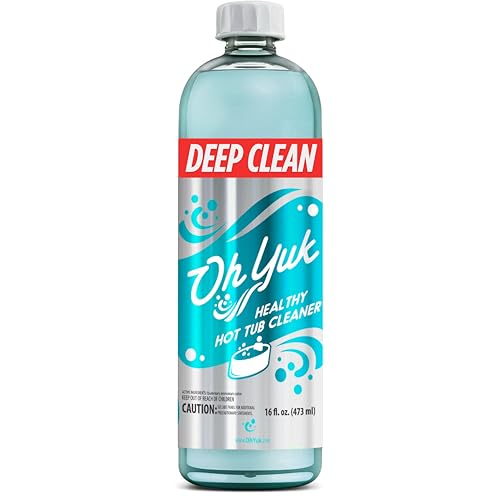
Oh Yuk Healthy Hot Tub Cleaner, Hot Tub Cleaner for Indoor and Outdoor Hot Tubs and Spas - 16 Ounces
Chosen because it specifies Hot Tub Cleaner for Indoor and Outdoor Hot Tubs and Spas and 16 Ounces.
View on Amazon
Hot Tub Surface Cleaner – Fast Acting Formula, Easy Spray & Wipe Use, For Acrylic, Vinyl, Fiberglass, Inflatable, Swim Spa & Jet Tubs, Removes Dirt, Grime & Waterline Residue – Made in USA, 16 oz
Chosen because it specifies Fast Acting Formula and Easy Spray & Wipe Use.
View on Amazon
AquaDoc Spa Jet Line Cleaner for Hot Tubs & Jetted Tubs - 16 oz | Fast Acting Spa Flush That Helps Purge Oils And Residue From Internal Plumbing Systems - Made In USA
Chosen because it specifies 16 oz and Made In USA.
View on Amazon
Ahhsome Hot Tub Serum Cleaner Sachet | One-Time Purge Cleans Pipes and Jets, Clarifies and Softens Water for Hot Tubs and Swim Spas
Chosen because it specifies One-Time Purge Cleans Pipes and Jets and Clarifies and Softens Water for Hot Tubs and Swim Spas.
View on AmazonFilters
Cartridge filters collect oils, lotions and minerals. Many makers advise rinsing the filter regularly and giving it a deeper clean with a dedicated filter cleaner every month or so, then replacing it when pleats flatten or it no longer cleans effectively. Spares let you rotate a clean filter in while the other dries.
Shell and waterline
A greasy ring at the waterline is normal and comes from body oils, sunscreen and cosmetics. A spa-specific shell cleaner is designed not to foam heavily, which matters because suds can be hard to clear. Avoid household surface cleaners and abrasive pads unless your spa maker approves them, as they can scratch acrylic and leave residues.
Cover
Vinyl covers can crack and fade under sun and chemicals. Cover cleaners are made to clean without drying the vinyl, and many include a UV protectant. Do not use bleach or harsh solvents unless the cover maker says it is safe.
Features to Compare
- Foam level: look for products described as low-foam or non-foaming for spa use.
- Compatibility: check that the product states it is safe for your sanitizer system, such as chlorine, bromine, or a mineral system, and for your spa shell.
- Form and dosing: liquid, powder or tablet, with dosing per gallon of spa water.
- Rinse requirements: some products must be fully drained and rinsed before refilling.
- Warranty considerations: some spa makers state which cleaners they approve; using other products might affect coverage, so check the warranty.
Safe Use Notes
- Read the label and your spa’s owner manual before using any chemical.
- Never mix different chemicals, especially chlorine products with acids or other cleaners, since dangerous gases can form.
- Wear gloves and eye protection when handling cleaners, and keep products away from children and pets.
- Turn the spa off and observe the maker’s instructions before running jets with cleaner in the water, and keep the cover open to let fumes escape.
- Drain, rinse and test the water after cleaning, and wait until sanitizer and pH are in the recommended range before bathing.
- If skin irritation or breathing trouble occurs after exposure, leave the area and contact a doctor; for electrical or heater problems, call a qualified technician.
Routine Cleaning Outline
- Rinse or soak the filter and put in a clean spare if you have one.
- Add a line flush, run the jets for the time the label specifies, then turn off and drain.
- Wipe the shell with a spa-specific cleaner and a soft cloth, working from the top down.
- Rinse out all residue before refilling.
- Refill, balance the water and start your normal sanitizer routine, following the manual.
Trade-offs by Budget Tier
- Budget: basic line flush or filter cleaner. Works for routine use, but may offer fewer extras such as enzymes or UV protection.
- Mid-range: name-brand multi-step systems with plumbing, filter and surface products.
- Premium: manufacturer-branded or professional-grade cleaners and enzyme systems, often priced higher with the aim of protecting warranty and equipment.
Pick X If… Decision Table
| Pick this | If you… |
|---|---|
| Line flush such as Spa Purge | are about to drain and refill and want to clean the pipes |
| Filter cleaner | notice cloudy water or reduced flow and have a cartridge filter |
| Non-foaming shell cleaner | need to remove a waterline ring without scratching the acrylic |
| Cover cleaner | want to clean and condition a vinyl cover |
| Enzyme cleaner | use the tub often and battle oils and lotions |
| Descaler | live in a hard-water area and see scale, as long as the manual allows it |
Alternatives
- Spare filter cartridges: swapping in a clean cartridge can be easier than deep-cleaning on the spot.
- Pre-fill filter: removes minerals from fill water and can reduce scale.
- Professional spa service: a technician can clean plumbing, check the heater and diagnose recurring problems.
Common Problems and Which Cleaner Helps
- Cloudy water: often linked to dirty filters, low sanitizer or heavy bather load. Clean or replace the filter, test the water, and consider a clarifier or enzyme product as the label directs.
- Slimy feel or odour from jets: may point to biofilm in the plumbing. A line flush at the next drain and refill is a common approach.
- Waterline ring: wipe with a spa-specific surface cleaner while the shell is still drained or at the waterline as the label allows.
- White flakes or rough patches: may be calcium scale. Check the water hardness and the spa manual before using descaling products.
- Foam on the surface: can come from soap residue, cleaner left in the lines or low hardness. Drain, rinse and refill, and keep swimwear free of detergent.
Storing Spa Chemicals
Keep cleaners in their original, sealed containers in a cool, dry, ventilated place away from direct sun, children and pets. Store acids and chlorine-based products separately, because fumes from one can react with the other. Dispose of leftover product and rinse water according to local rules rather than pouring them into storm drains.
Preventive Habits That Reduce Cleaning Work
Showering before getting in reduces oils, lotions and cosmetics in the water. Keeping the cover on when the tub is not in use limits debris and sunlight. Testing sanitizer and pH on the schedule in your manual, rinsing filters regularly and keeping a spare cartridge all make deep cleans easier. If the tub has persistent odour, discoloured water or equipment faults even after a thorough clean, a qualified spa technician can inspect the plumbing and heater, and any electrical issue should be left to a licensed professional.
Frequently Asked Questions
How often should I clean my hot tub?
Many makers suggest draining, cleaning and refilling about every three months, with weekly checks on the water and filter rinses along the way. Use the schedule in your owner manual, as heavy use may call for more frequent changes.
Can I use household cleaners in a hot tub?
It is usually better not to. Household cleaners can foam, leave residues, or damage acrylic and seals. Spa-specific products are designed for this use, and your spa maker may state which ones are approved.
Do I need a line flush product?
Makers say these products help loosen biofilm in pipes that routine sanitizer might not reach. Many owners use one whenever they drain and refill. Always run and drain it according to the label.
How do I clean a hot tub filter?
Remove the cartridge, rinse it with a hose, and soak it in filter cleaner as the label directs. Rinse thoroughly and let it dry if you have a spare. Replace it when the pleats are flat or damaged.
Why is my hot tub foaming after cleaning?
Foam can come from residues of cleaner, soap from swimwear or body products, or low calcium levels in the water. Drain and rinse thoroughly, use low-foam products and follow your manual. A defoamer can help short term.
Is it safe to run the jets with cleaner in the water?
That is how line flush products are designed to work, but only for the time on the label and with nobody in the tub. After running, drain and rinse fully before refilling and bathing.
