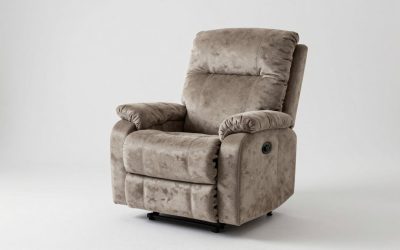
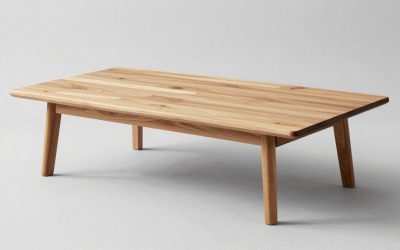
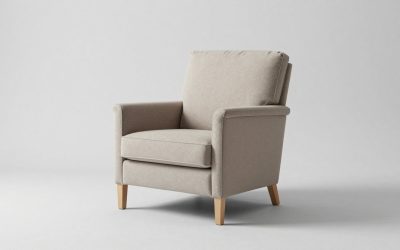
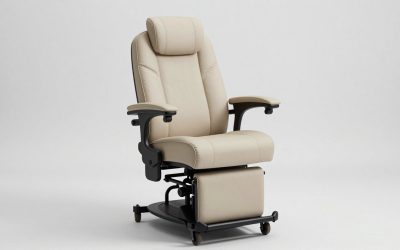
Setting up a dedicated music room in 2026 requires balancing aesthetic appeal with practical acoustics and physical comfort. Unlike a standard living room where deep lounging and slouching are encouraged, a music room demands seating that supports active listening, playing instruments, or analyzing a complex vinyl record without causing physical fatigue. Finding the right accent chair means looking past showroom visuals to evaluate how the physical piece interacts with soundwaves, physical posture, and the spatial flow of your gear.
Too many buyers choose an accent chair purely for its visual impact, only to discover later that bulky wooden arms bash against guitar bodies, or that dense synthetic foam deadens the room’s natural reverb in awkward ways. To help you bypass trial and error, this guide breaks down the core specifications, design pitfalls, and structural elements that actually matter when selecting accent chairs for a musical environment.
As an Amazon Associate we earn from qualifying purchases at no extra cost to you.

1. Armless vs. Armed Designs for Instrument Clearance
One of the most overlooked factors in music room seating is the presence and dimensions of the chair arms. If you or your guests play acoustic guitar, electric guitar, violin, or even a compact wind instrument, standard wide wooden or upholstered arms will inevitably obstruct your elbows and the body of the instrument. Armless accent chairs provide complete freedom of movement, allowing you to shift your posture and play comfortably without striking the frame. If you prefer the look of an armed chair, look for sleek, low-profile track arms or open-frame metal designs that keep the clearance zone entirely open.
2. Acoustic Reflections: Fabric Density and Sound Absorption
Every piece of furniture in a music room acts as an acoustic treatment, whether intended or not. Smooth, hard surfaces like tight leather, slick vinyl, and exposed polished wood will reflect high-frequency sound waves, potentially causing harsh flutter echoes in small rooms. On the other hand, heavy woven fabrics, chenille, velvet, and thick textured wool act as soft acoustic absorbers that help tame high frequencies and smooth out the room’s overall decay time. Consider the existing acoustic profile of your space; if your walls are bare and hardwood floors dominate, a soft-textured fabric chair helps balance the soundscape.
3. Lumbar Support and Posture for Active Listening
Music listening is often an active, engaged activity rather than a passive viewing experience. Whether you are critically listening to a full album or practicing a piece, slouching into a deep, overly soft lounge chair causes lower back strain and collapses your diaphragm, which alters your breathing and focus. Look for accent chairs with a firm, supportive seat cushion and an upright back angle—ideally between 100 and 105 degrees. This subtle tilt keeps your spine naturally aligned, supports your lower back, and keeps you alert during long listening sessions.
4. Frame Stability and Floor Coupling on Hard Surfaces
Music rooms are frequently outfitted with hardwood, laminate, or vinyl flooring to optimize room acoustics and make cleaning easy. However, hard floors cause furniture to slide, rock, or create sympathetic vibrations when deep bass frequencies hit the room. When choosing an accent chair, inspect the base stability. Four-legged wooden or metal frames distribute weight evenly and can be fitted with high-density rubber or felt pads. Avoid swivel or pedestal bases unless they feature a heavy, wide footprint that absorbs micro-movements and prevents unwanted mechanical squeaks during quiet musical passages.
5. Proportion, Scale, and Spatial Layout
Music rooms are often crowded with gear, including speaker stands, instrument cases, amplifiers, and storage shelves. A bulky oversized club chair can instantly overwhelm the room, blocking pathways and creating acoustic dead zones behind large backrests. Measure your clearance zones carefully, ensuring at least a comfortable walking path between the chair and your speaker placement line. Low-profile accent chairs with exposed legs maintain visual breathing room, making a compact music room feel much larger and preventing sound waves from becoming trapped in tight pockets behind oversized furniture.
6. When It Pays to Upgrade to Premium Upholstery
Budget accent chairs often rely on low-grade polyurethane foam that compresses permanently within a few months of regular use, leading to uneven seating angles and poor support. Upgrading to a mid-tier or premium accent chair typically gets you high-resilience (HR) foam cores wrapped in down-blend or durable performance textiles. If your music room sees daily use—whether as a daily practice space or a weekend listening lounge—investing in a higher tier of construction ensures the foam retains its structural integrity, preventing sagging and maintaining proper ergonomic posture for years to come.
Related Guides
If you are currently expanding or refining your home listening environment, exploring other curated layouts can streamline your design process. You can check out the Best Accent Chairs for Music Rooms in 2026: Compared and Ranked for direct product evaluations. For a different seating dynamic, the Best Leather Sofas for Music Rooms in 2026: Compared and Ranked offers deeper lounge comfort for larger spaces. Finally, you can keep your listening sessions fully provisioned by reviewing the Best Bar Carts for Music Rooms in 2026: Compared and Ranked to complete your setup.
FAQ
Are rocking chairs a good choice for a music room?
Rocking chairs can add a pleasant rhythm to casual listening, but they introduce a major downside for musicians: motion and instability. If you plan to play an instrument or handle delicate vinyl records, a stationary, stable chair prevents shifting and awkward posture strains.
How does upholstery affect the room’s acoustics?
Heavy, dense fabrics like velvet, chenille, and thick wool act as soft acoustic absorbers, helping to dampen high-frequency flutter echoes. Conversely, smooth leather or slick synthetic vinyl reflects sound waves, which might brighten a room that already feels too dead or dry.
Should my accent chair match my main sofa?
Matching is entirely optional and depends on the mood you want to create in your listening space. A contrasting accent chair adds visual personality and breaks up the monotony of a single-material layout, which works exceptionally well in creative spaces like music rooms.
What is the ideal seat height for a music room accent chair?
A standard seat height of 17 to 19 inches works best for most adults, allowing both feet to rest flat on the floor. This posture is crucial for maintaining proper diaphragm alignment during active listening or keeping your knees at a comfortable angle while handling instruments.