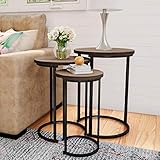
Nesting tables have evolved far past their utilitarian origins as emergency TV tray substitutes into sophisticated focal points for modern living spaces. When shopping for a multi-piece surface set, it is easy to get distracted by glossy finish photos or trendy silhouettes that look striking on a screen but fail under real-world conditions. A truly great set of nesting tables offers dynamic flexibility, allowing you to expand your surface area when hosting guests and tuck the secondary pieces completely out of sight during daily routines.
Navigating the market requires looking past aesthetic surface appeal and evaluating how these interlocking pieces interact with your existing furniture, flooring, and traffic patterns. In 2026, the best living room designs prioritize multi-functional adaptability without sacrificing structural integrity or floor space. By focusing on critical metrics like dimensional clearances, material resilience, and everyday portability, you can select a set that serves your household seamlessly for years to come.
Understanding Clearance and Height Stacking
The single most overlooked factor when purchasing nesting tables is the height differential between the primary table and the nested sub-tables. If the clearance between tiers is too tight, sliding the smaller table in and out will constantly scrape the underside of the main surface, scratching finishes and causing immense daily frustration. Look for a vertical gap of at least one inch between the bottom of the upper frame and the top of the lower table. Additionally, consider how the heights align with your seating; the primary table should generally sit flush with or slightly below your sofa armrest, while the secondary tables must be low enough to slide entirely underneath the main unit without catching on crossbeams or legs.
Material Weight and Everyday Portability
Nesting tables are meant to be moved—often multiple times a day—from their docked position to various seating spots across the room. Therefore, material weight is a critical functional spec. Solid hardwoods and heavy cast-iron frames offer incredible stability, but if the smallest table weighs twenty pounds, family members will hesitate to pull it out for a cup of coffee. Conversely, ultra-light aluminum or hollow-core setups might slide too easily on hardwood floors, tipping over when bumped. Aim for a balanced weight distribution where the primary anchor table remains heavy enough to stay stable, while the smaller pull-out tables feature lightweight yet rigid frames that are effortless to lift and reposition.
Geometric Profiles: Round, Square, and Organic Contours
The shape of your nesting tables dictates both traffic flow and visual harmony within your living room layout. Round nesting tables are exceptionally forgiving in tight spaces, eliminating sharp corners that bruise shins and softening rooms dominated by linear elements like rectangular sectionals and media consoles. Square and rectangular sets, on the other hand, maximize usable surface area and can be pushed flush against walls or sofa backs when nested. If you choose organic, asymmetrical shapes—which are increasingly popular—pay close attention to the nesting configuration. Irregular curves mean the tables will only slide together from one specific angle, requiring visual alignment guides molded into the design to prevent awkward gaps.
Surface Finishes and Real-World Durability
Living room tables endure constant abuse: condensation rings from cold drinks, heat marks from mugs, dropped remotes, and accidental scuffs from pet toys. When evaluating materials, evaluate the topcoat rather than just the core substance. Natural stone like marble looks luxurious but requires vigilant sealing to prevent permanent staining from wine or citrus. Solid woods finished with matte polyurethane offer a great blend of organic warmth and moisture resistance. Avoid high-gloss lacquers if your household sees heavy daily use, as they show microscopic scratches and fingerprints immediately. Textured wood veneers or powder-coated metal tops offer the most forgiving surfaces for high-traffic family rooms.
Nesting Depth and Storage Footprint
Before committing to a set, measure the exact floor space you intend to occupy when the tables are fully tucked away. Some nesting configurations feature a footprint where the sub-tables slide in partially, leaving a staggered architectural look that extends further into the room than anticipated. True fully-nesting designs save maximum floor space by allowing the smaller tables to disappear entirely beneath the largest frame. Always verify whether the nesting mechanism relies on rolling casters, felt slider pads, or metal tracks, as these components determine how smoothly the tables glide together and whether they will scratch delicate hardwood or tile flooring over time.
Avoiding Common Buying Mistakes
Shoppers frequently make the mistake of buying nesting tables based solely on how they look in a staged showroom, ignoring how the pieces function independently. Another common error is failing to account for rug thickness; a thick high-pile wool rug can completely jam the clearance path of a low-profile nested table, rendering the lower tiers immobile. Furthermore, avoid sets that lack anti-tip stabilization when fully extended. When a guest places weight on the edge of a pull-out nesting table, poor weight distribution can cause the entire unit to flip if the base frame lacks adequate width or counterbalance.
When to Spend More on Premium Sets
Entry-level nesting tables are often constructed using engineered wood with paper laminates and hollow steel tubing, which works fine for low-impact guest rooms but rarely survives years of heavy family use. Investing in a higher-tier set gets you superior joinery, kiln-dried hardwoods, welded metal frames, and scratch-resistant tempered glass or stone composites. You should consider spending more if the nesting tables will serve as your primary coffee table surface rather than auxiliary accent pieces. Premium craftsmanship ensures that sliding joints remain smooth, finishes resist daily wear, and the structural integrity holds strong despite constant movement and weight shifts.
Related Guides
To complete your living room layout, explore our other expert-tested roundups for cohesive design ideas, including the Best Nesting Tables in 2026: Compared and Ranked for top-performing multi-tier configurations, the Best Media Console Tables in 2026: Compared and Ranked to anchor your entertainment wall, and the Best Sofa Tables in 2026: Compared and Ranked for additional behind-the-couch surface options.
FAQ
How do I protect my hardwood floors from scratching when moving nesting tables?
Apply high-density felt pads or silicone slider dots to the bottom of the table legs. Avoid hard plastic glides, which can trap grit and scratch wood or tile flooring over time.
Can nesting tables completely replace a traditional coffee table?
Yes, a multi-tier nesting set can easily replace a traditional coffee table by offering flexible surface area that expands when you have guests. However, ensure the largest table in the set provides enough continuous surface area for daily needs.
What is the ideal material for a household with young children?
Powder-coated metal frames paired with textured wood or durable laminate tops are best for homes with kids. They withstand heavy impacts, resist staining, and lack dangerous sharp corners if you choose rounded designs.
How do I clean delicate stone or marble nesting table tops?
Use a damp microfiber cloth with a drop of neutral dish soap, and wipe dry immediately to prevent water spots. Avoid acidic cleaners like vinegar or lemon juice, which will etch marble and ruin the polished finish.
As an Amazon Associate we earn from qualifying purchases at no extra cost to you.