Designing the ultimate entertainment room requires looking past standard living room sofas and investing in specialized furniture built for long movie marathons. In 2026, home theater seating has evolved to combine high-end ergonomic engineering with modern smart home conveniences, making the selection process more nuanced than ever. Whether you are outfitting a dedicated basement cinema or upgrading a multipurpose media room, understanding what separates a mediocre recliner from a truly immersive seating experience is crucial.
When shopping for theater chairs, it is easy to get distracted by flashy gimmicks like multi-zone ambient lighting or numerous accessory ports while overlooking foundational elements like frame construction, mechanism durability, and proper room spacing. This guide cuts through the marketing noise to focus on the structural and functional specifications that actually matter for your long-term comfort, spatial layout, and financial investment.
As an Amazon Associate we earn from qualifying purchases at no extra cost to you.

Prioritizing Room Layout and Sightlines
Before browsing styles or leather grades, you must map out your room dimensions and screen placement. The golden rule of theater seating is ensuring that every occupant has an unobstructed line of sight to the center of the screen. Measure your available width and depth carefully, leaving at least two to three feet of clearance around the perimeter for easy walking paths and reclining room. If you plan to install a multi-row configuration on risers, calculate the height of each step meticulously to prevent front-row heads from blocking the view of viewers in the back row.
Decoding Upholstery Materials: Leather versus Performance Fabric
The choice of upholstery dictates both the aesthetic vibe of your room and the long-term maintenance required. Top-grain or semi-aniline leather offers a classic, luxurious cinema look, superior breathability, and exceptional durability, though it demands regular conditioning to prevent cracking. On the other hand, heavy-duty performance microfiber or woven technical fabrics provide a softer, warmer texture, resist pet scratches better, and do not stick to your skin during warm summer movie nights. Consider your household habits—such as whether you eat popcorn or drink soda while viewing—when weighing these options.
Evaluating Ergonomics, Headrests, and Lumbar Support
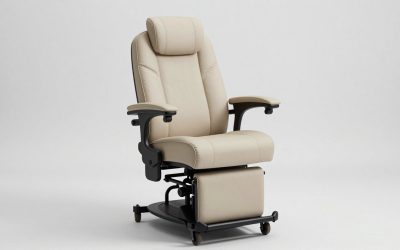
True comfort during a three-hour epic film requires more than just a soft cushion. Look for seating that features independent power headrests and motorized lumbar support. Standard recliners often force your neck into an awkward forward angle when tipped back, but adjustable headrests allow you to tilt your view upward toward a wall-mounted screen while keeping your spine properly aligned. High-resilience foam cores combined with pocket-coil springs offer the best balance of plush initial sink-in feel and lasting support that resists sagging over years of heavy use.
Understanding Wall-Hugger Designs and Clearance
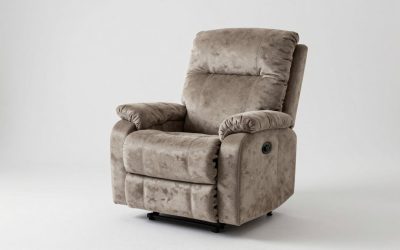
One of the most common spatial traps buyers fall into is purchasing standard recliners that require massive amounts of empty space behind the backrest to fully recline. For media rooms where space is at a premium, wall-hugger mechanisms are essential. These ingenious systems slide the seat forward as it reclines, meaning the chair can sit mere inches away from a back wall or acoustic panel. This feature maximizes your floor layout, allowing you to fit a larger row of seats without cramping the back of the room.
Assessing Modular Configurations: Straight versus Curved Rows
Theater seating rarely comes as a single static piece; instead, modular units link together using shared armrests to form customized rows. Choosing between a straight line and a gentle curve depends on your room width and viewing angles. Straight rows maximize space efficiency in narrower rooms. Curved rows naturally angle each seat toward the center of the screen, creating a more cohesive, immersive field of view and making it easier for viewers on the far left or right to see distortion-free images.
Assessing Integrated Features and Accessory Ports
Modern home theater chairs offer a wealth of integrated conveniences designed to keep you from having to get up mid-movie. Built-in deep cup holders—often available with chilling capabilities—keep beverages secure. Accessory docks on the armrests accommodate swivel tray tables, wine glass holders, or tablet mounts. Additionally, look for hidden storage compartments within the armrests to stash remotes, 3D glasses, and extra blankets, keeping your home theater looking clean and uncluttered.
Common Buying Mistakes to Avoid
Avoid buying budget-grade furniture that uses plywood frames or flimsy plastic recline mechanisms, as these components frequently fail under heavy, daily articulation. Another frequent pitfall is ignoring doorway dimensions during delivery; always check whether the shipping boxes or modular backrests can fit through your home entryways, stairwells, and tight basement turns. Finally, do not sacrifice seat width for an extra chair; buying oversized seats that properly fit your family members yields a vastly better experience than cramming an extra narrow chair into a tight row.
Related Guides
To explore specific brand breakdowns, verified performance testing, and top-rated choices, take a look at our Best Home Theater Seating in 2026: Compared and Ranked roundup.
FAQ
How much space do I need behind home theater seating?
Traditional recliners may require anywhere from twelve to eighteen inches of clearance from the wall. However, if you purchase a wall-hugger model, that required distance drops to just three to six inches, making them ideal for compact media rooms.
Are power recliners better than manual pull-handle recliners?
Power recliners offer infinite adjustment angles for your feet, back, and headrest, allowing you to stop the motion at your exact comfort sweet spot. Manual mechanisms are generally more limited in positions and can be physically strenuous to lock back into place.
How do I clean and maintain leather theater seating?
Dust leather surfaces weekly with a dry microfiber cloth to prevent grit from wearing down the finish. Apply a specialized leather conditioner and cleaner every six months to keep the hide supple and prevent cracking from body oils.
Can individual theater chairs be rearranged later?
Yes, most premium theater seating uses a modular design where individual chairs and armrests bolt together securely. This allows you to reconfigure a straight row into a curved layout or separate chairs if you move to a new home.