Key takeaways
- Standard Vinyl Film: This is a thin, flexible material (usually 4 to 6 mils thick, or about 0.1mm to 0.15mm). Budget-friendly options like basic black silk contact paper cost around $5.99 for a standard 17.7-inch by 118-inch roll. It is highly wipeable and waterproof, but because it is thin, it will telegraph every single lump, bump, or dust speck on your wall.
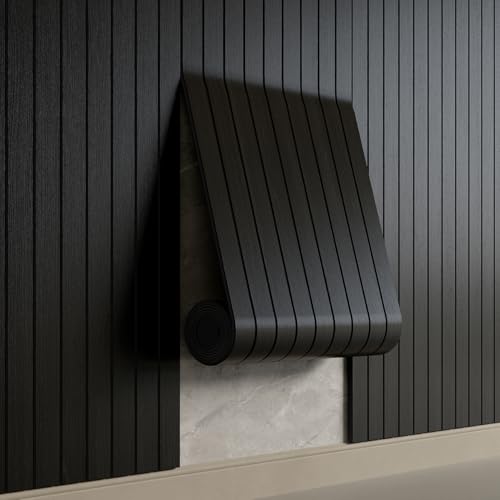
- Heavy-Duty Architectural Panels: These are thicker, semi-rigid materials designed to mimic structural elements. For example, a 3D PVC slat wall panel roll (measuring 236 inches by 15.75 inches and retailing for around $64.99) provides a tactile, three-dimensional wood grain finish. These heavier panels are excellent for hiding minor wall imperfections and even offer a small degree of sound dampening, but they require more effort to cut and trim around outlets.
The Short Answer
Yes, a peel and stick wallpaper accent wall is absolutely worth the investment, but it depends on one non-negotiable condition: your wall must be completely smooth, clean, and painted with a cured, semi-gloss or satin finish. If you try to apply this material to textured walls (like orange peel or knockdown), or over freshly painted drywall that hasn’t cured for at least four weeks, the adhesive will fail, bubble, or peel away within days. If your wall meets the smooth-surface criteria, peel and stick paper offers a fast, high-impact, and temporary way to transform a room without the permanent commitment or mess of traditional paste-the-wall papers.
What You Actually Get
When weighing the pros and cons of peel and stick wallpaper accent wall projects, it helps to understand what the material actually is. Unlike traditional wallpaper made of breathable paper or woven fibers that require wet paste, peel and stick wallpaper is essentially a giant, self-adhesive sticker. It is typically made from engineered vinyl (PVC) or a polyester fabric blend backed with a pressure-sensitive acrylic adhesive.
Our top picks

As an Amazon Associate we earn from qualifying purchases at no extra cost to you.
In the current market, you will find two distinct categories of self-adhesive accent wall coverings:
- Standard Vinyl Film: This is a thin, flexible material (usually 4 to 6 mils thick, or about 0.1mm to 0.15mm). Budget-friendly options like basic black silk contact paper cost around $5.99 for a standard 17.7-inch by 118-inch roll. It is highly wipeable and waterproof, but because it is thin, it will telegraph every single lump, bump, or dust speck on your wall.
- Heavy-Duty Architectural Panels: These are thicker, semi-rigid materials designed to mimic structural elements. For example, a 3D PVC slat wall panel roll (measuring 236 inches by 15.75 inches and retailing for around $64.99) provides a tactile, three-dimensional wood grain finish. These heavier panels are excellent for hiding minor wall imperfections and even offer a small degree of sound dampening, but they require more effort to cut and trim around outlets.
When you unbox your wallpaper, expect a slight chemical or vinyl smell that dissipates within 48 hours. The backing paper is usually marked with a grid pattern to assist with straight cuts. However, because the rolls are wound tightly, you must lay them flat under heavy books for 24 hours before installation to prevent the corners from curling during application.
Pros
- Damage-Free Removal: The primary benefit of peel and stick wallpaper is its temporary nature. High-quality acrylic adhesives are designed to release their grip when pulled slowly at a 180-degree angle, leaving no sticky residue behind. This makes it the ultimate design hack for renters or homeowners who like to update their style frequently.
- No Messy Paste or Special Tools: Traditional wallpapering requires pasting tables, sizing liquids, water trays, and sticky brushes. With self-adhesive paper, your tool kit is incredibly basic: a sharp utility knife, a plastic smoothing squeegee, a metal straightedge, and a tape measure. Clean-up involves simply gathering the discarded backing paper and throwing it away.
- Wipeable and Water-Resistant: Because most peel and stick options are constructed from vinyl or treated polyester, they resist moisture and stains. A simple wipe down with a damp microfiber cloth is all it takes to clean off scuffs or fingerprints, making them highly practical for high-traffic zones like entryways or dining room accent walls.
- Highly Forgiving During Installation: If you misalign a seam or get a giant bubble, you can simply peel the strip back up and reposition it. The adhesive does not fully cure immediately, giving you a window of a few hours to adjust, pull, and smooth the panels until they align perfectly.
- Endless Visual Variety: From matte botanical prints to realistic faux wood slats, the design choices are vast. As we look ahead to design trends in 2026, bold, textured accent walls are dominating the editorial space, allowing you to achieve a high-end look on a modest budget.
Cons
- Susceptibility to Seam Shrinkage: Vinyl is a highly temperature-sensitive material. If your room experiences significant temperature or humidity fluctuations, the panels will expand and contract. This often results in seams pulling apart by 1 to 2 millimeters over time, leaving thin, visible gaps of bare wall between the panels.
- Unforgiving on Textured Walls: If your walls have an orange peel, knockdown, or skip-trowel texture, peel and stick wallpaper will struggle to adhere. The adhesive only contacts the high points of the texture, leaving air pockets underneath that cause the paper to sag, bubble, and eventually fall down.
- The Paint Stripping Risk: While designed to be removable, peel and stick adhesive forms a very tight bond over time. If your underlying wall paint was applied poorly, lacks a proper primer coat, or is flat/matte, the wallpaper adhesive can pull the paint—and even the paper facing of the drywall—right off during removal.
- Pattern Matching Waste: If you choose a geometric or large-scale floral pattern, you must align the design horizontally from panel to panel. This pattern repeat often results in 15% to 20% waste per roll, which drives up the overall cost of your accent wall.
- Installation Fatigue: While simple in theory, aligning 8-foot vertical panels perfectly straight on walls that are rarely plumb can be incredibly tedious. It requires patience, steady hands, and ideally two people to prevent the sticky backing from folding in on itself.
Who Should Buy It
You should choose a peel and stick wallpaper accent wall if you are a renter who wants to personalize your space without losing your security deposit, or a homeowner looking for a weekend DIY project that can be completed in four to six hours. It is perfect for those who have smooth, primed drywall painted with a satin, semi-gloss, or eggshell finish. If you enjoy updating your interior decor every few years to keep up with changing trends, the ease of removal makes this a highly practical choice.
Who Should Skip It
You should skip peel and stick wallpaper if your home has heavily textured plaster or drywall, as the paper will not stay up. You should also avoid it in unventilated, high-humidity bathrooms where constant steam will break down the adhesive backing within months. If you are a perfectionist who will be deeply bothered by a 1mm gap at the seams due to natural seasonal shrinkage, you are better off investing in traditional pasted non-woven wallpaper, which does not shrink or stretch during temperature changes.
Cheaper Alternatives
If you love the look of an accent wall but want to explore other cost-effective DIY options, consider these alternatives:
| Option | Estimated Cost | Trade-off |
|---|---|---|
| Wall Stenciling & Paint | $25 – $50 (stencil + 1 quart of paint) | Highly customizable and works on textured walls, but requires hours of tedious, repetitive painting and is permanent until painted over. |
| Standard Contact Paper | $5 – $15 per roll | Extremely cheap, but rolls are narrow (usually 17.7 inches), thin, highly prone to bubbling, and difficult to install without visible seams. |
| Large-Scale Fabric Wall Hanging | $20 – $45 | Covers a massive area in seconds with zero damage, but lacks the seamless, built-in look of a true wallpapered accent wall. |
| Peel and Stick Wall Decals | $15 – $35 per pack | Easier to apply than full sheets and works around wall texture, but leaves the background wall color exposed and has a less cohesive look. |
FAQ
Does peel and stick wallpaper ruin walls?
If installed on a properly cured wall (painted at least 4 weeks prior) with satin, semi-gloss, or eggshell paint, it will not ruin your walls. However, if applied over matte paint, damaged drywall, or uncured paint, the adhesive can bond too deeply and pull the paint layers off during removal.
Can you put peel and stick wallpaper over textured walls?
Generally, no. Standard thin vinyl peel and stick wallpaper will mimic the bumps of textured walls and fail to adhere properly due to air pockets. However, thick 3D PVC panels or heavy-duty textured slat panels can sometimes bridge minor textures, though sanding the wall flat first is always recommended.
How long does peel and stick wallpaper last?
In a temperature-controlled room with low humidity, high-quality peel and stick wallpaper can easily last five to seven years. In high-humidity environments like bathrooms or kitchens with poor ventilation, the edges may begin to curl or lift within one to two years.
How do you calculate how many rolls you need for an accent wall?
Measure the width and height of your wall in feet, multiply them to get the square footage, and add 15% to account for trimming and pattern matching. Divide this total by the square footage listed on the wallpaper roll. Always round up to the nearest whole roll to ensure you have enough from the same color dye lot.