Key takeaways
- Cotton Bath Mat System (5-Year Cost):
- Initial Purchase: $20 to $30 per mat (2 mats needed for rotation while washing = $50).
- Replacement Cycle: Cotton mats fray, fade, and lose rubber backing elasticity every 18 to 24 months (2 replacements over 5 years = $50).
- Laundering Expenses: Weekly hot water washing and high-heat machine drying adds roughly $0.40 per load ($20 per year in utility costs = $100).
- Total 5-Year Cost: ~$200
Stepping out of a hot shower onto a damp, soggy bath mat is one of the most frustrating ways to start your morning. A quality bath mat needs to pull off a difficult balancing act: it must instantly absorb or channel away water from your feet while drying rapidly enough to prevent damp smells, floor damage, and mold growth. When comparing cotton vs bamboo bath mats for fast drying absorption, homeowners often discover that “absorption” and “drying speed” are actually two very different mechanisms.
Cotton relies on dense, soft fibers that grab moisture instantly upon contact, trapping water inside the yarn. Bamboo—especially in slatted wooden constructions—approaches the problem through airflow and physical water drainage, allowing moisture to evaporate off surface coatings in a fraction of the time. Choosing the right material comes down to whether you prioritize plush, cushion-like comfort underfoot or ultra-fast drying speed and low-maintenance hygiene.
Our top picks



As an Amazon Associate we earn from qualifying purchases at no extra cost to you.
Quick Verdict
If your primary goal is instant liquid containment and soft comfort, cotton is the winner. Premium high-GSM cotton mats absorb heavy water droplets the second your feet touch the ground, making them ideal for busy family bathrooms where kids splash onto the tile floor.
However, if your main goal is fast drying speed, mold prevention, and long-term hygiene, slatted bamboo bath mats easily win. Bamboo wood does not saturate like fabric, allowing water to evaporate in 15 to 30 minutes compared to 4 to 8 hours for heavy cotton. For small apartments, windowless bathrooms, or humid climates, bamboo provides superior fast-drying airflow.
Side by Side
| Feature | Cotton Bath Mats | Bamboo Bath Mats (Slatted) |
|---|---|---|
| Comfort Underfoot | Plush, warm, and soft (600–900 GSM tufting) | Firm, smooth, grounded wood lattice feel |
| Water Absorption Speed | Instant (traps water directly inside fibers) | Moderate (channels water through slats to floor/tray) |
| Drying Speed | Slower (4 to 8 hours depending on humidity) | Ultra-fast (15 to 30 minutes via airflow) |
| Durability & Longevity | 2 to 3 years before fibers mat down or fray | 5+ years with water-resistant sealant |
| Price Range | $12 to $35 | $22 to $45 |
| Maintenance | Frequent machine washing & hot tumble drying | Occasional wipe down with damp cloth |
| Space Needed | Flexible; folds or hangs easily on standard bars | Rigid frame or roll-up footprint; requires flat tile |
| Best For | High-splash family bathrooms & foot cushioning | Small, humid bathrooms & modern spa aesthetics |
Where Cotton Wins
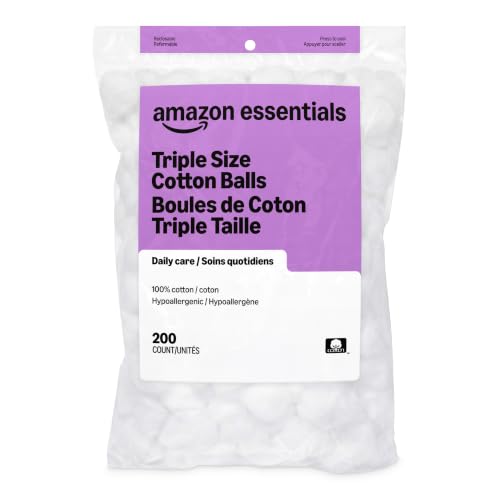
Cotton remains the classic choice for residential bathrooms because of its unmatched foot feel and instant liquid uptake. Raw cotton fibers are naturally porous and hydrophilic. Just as pure cotton products like Amazon Essentials Hypoallergenic 100% Cotton Rounds, 100 Count ($2.96) or Amazon Basics Cotton Balls for Skincare, Makeup Removal ($5.18) excel at grabbing liquid immediately, a tufted cotton bath mat absorbs standing water instantly when you step off the shower threshold.
A typical high-end organic cotton mat features a fabric density between 600 and 900 GSM (grams per square meter). This density creates millions of tiny surface loops that lock onto moisture droplets before they can run onto your bathroom tile. For households where kids step out dripping wet, a thick 21 x 34 inch cotton mat acts like a high-capacity sponge, holding up to four times its weight in water without letting liquid puddle on the floor.
Cotton also wins on thermal comfort. On cold winter mornings, stepping onto plush cotton fibers insulates your feet from frigid porcelain or stone floors. Furthermore, cotton is completely flexible and machine washable. When dirt accumulates, you simply toss it into the washing machine on warm cycle and tumble dry on medium heat to restore its loft.
Where Bamboo Bath Mats for Fast Drying Absorption Wins
While cotton holds liquid deep inside its yarns, bamboo wooden mats approach bath moisture through water displacement and rapid surface evaporation. Slatted bamboo structures do not absorb water like a fabric towel; instead, water drips through elevated wood slats, allowing air to circulate around all sides of the mat simultaneously.
Because moisture remains on the sealed exterior surface rather than soaking into internal core fibers, a slatted wooden mat dries in 15 to 30 minutes under normal room conditions. In 2026, as home design continues to emphasize low-maintenance wellness spaces, bamboo has become the premier choice for preventing damp, persistent bathroom odors.
A standard Bamboo Bath Mat, 34 x 18 Inch Foldable Roll-Up Wood Bathmat ($24.75) uses horizontal lattice slats held together by heavy-duty synthetic cordage. This flexible setup allows you to roll up the mat for compact storage while leaving a slight elevation off the tile floor for ventilation. For maximum stability, structured models like the Domax Bamboo Bath Mat – Non Slip Wood Shower Mat for Bathroom ($34.49) incorporate rubber foot pads that lift the wooden platform roughly 0.8 inches above the floor. This clearance prevents standing water from becoming trapped underneath, eliminating the breeding ground for mildew, mold, and bacterial growth.
Cost Over 5 Years
Evaluating the true cost of cotton vs bamboo bath mats requires looking past the initial price tag to consider laundering energy and replacement lifespans over a 5-year period.
- Cotton Bath Mat System (5-Year Cost):
- Initial Purchase: $20 to $30 per mat (2 mats needed for rotation while washing = $50).
- Replacement Cycle: Cotton mats fray, fade, and lose rubber backing elasticity every 18 to 24 months (2 replacements over 5 years = $50).
- Laundering Expenses: Weekly hot water washing and high-heat machine drying adds roughly $0.40 per load ($20 per year in utility costs = $100).
- Total 5-Year Cost: ~$200
- Bamboo Bath Mat System (5-Year Cost):
- Initial Purchase: $25 to $40 for a heavy-duty, water-resistant slatted unit ($30 average).
- Replacement Cycle: Durable bamboo lasts 5+ years with simple surface cleaning ($0 replacement).
- Laundering Expenses: Zero machine washing; requires only quick wiping with mild soap ($0 utility cost).
- Total 5-Year Cost: ~$30
While a quality bamboo mat costs slightly more upfront, its lack of laundering needs and superior structural durability make it substantially cheaper over five years of regular use.
Which One for Your Home
Small Apartment / Studio
In compact living spaces with limited ventilation or internal windowless bathrooms, slow-drying cotton mats rapidly trap humidity and create a musty environment. A slatted bamboo mat is the superior pick here. It dries within minutes, takes up zero vertical laundry rack space, and maintains a clean, spa-like aesthetic without holding dampness in tight quarters.
Family with Kids & Pets
Busy family bathrooms experience heavy splashes, wet footprints, and frequent traffic. In this environment, slatted bamboo can feel slippery under small, rushing feet if water puddles heavily beneath it. A heavy-duty, dense cotton mat (700+ GSM) with a rubberized non-skid latex backing provides the quick, high-volume water absorption and cushion required to keep active children safe and floors dry.
Rental Property
For short-term rentals or guest bathrooms, low maintenance and hygiene are paramount. Tenants and guests often leave damp cotton mats folded on counters or bunched up on floors, leading to mold stains and sour smells. A sealed bamboo mat stays clean, dries automatically between guest uses, and resists wear without requiring wash cycles between turnover days.
Long-Term Home / Primary Suite
If you have a spacious primary suite with good airflow, radiant heated floors, or separate drying hooks, the choice comes down to personal taste. Homeowners who want a cozy, soft spa experience underfoot will prefer premium organic cotton. Those who favor sleek, modern Scandinavian aesthetics and zero daily maintenance will prefer an elevated bamboo runner platform.
FAQ
Which bath mat material dries the fastest?
Slatted bamboo bath mats dry the fastest. Because they are elevated wooden platforms coated in water-resistant finishes, water drains through the lattice structure and evaporates off the surface in 15 to 30 minutes, compared to 4 to 8 hours for woven cotton fabric.
Do bamboo bath mats absorb water directly?
No, slatted bamboo bath mats do not absorb liquid into their structure like a fabric towel. Instead, they guide water off the top surface through slatted channels down to the floor or catch tray, relying on maximum ambient airflow for fast surface drying.
How do I prevent cotton bath mats from smelling musty?
To keep cotton mats fresh, hang them over a shower curtain rod or towel bar immediately after every shower. Avoid leaving them flat on tile floors in humid rooms, and wash them weekly in warm water with vinegar or mild laundry detergent. Avoid heavy fabric softeners, which coat fibers and reduce absorption speed.
Are bamboo bath mats slippery on bathroom tile?
High-quality bamboo bath mats feature non-skid rubber feet or silicone pads installed across the bottom surface. These grips hold the rigid wooden frame securely in place against wet glazed porcelain, marble, or ceramic tiles, preventing slippage during entry and exit.