Key takeaways
- Place a washable mat or old towel beneath the fan while cleaning to catch falling dust.
- Use a small label or phone photo to remember the position of any removable filter before taking it out.
- Never operate the fan until all damp parts are completely dry and every panel is correctly fitted.
- If airflow remains weak, the motor smells hot or the fan makes a new rattling sound, stop using it and consult the manual or a qualified technician.
What's inside
A tower fan can keep a room feeling airy without competing with your furniture, but its slim grille is surprisingly good at collecting dust, hair and fabric fibres. Left untouched, that buildup can restrict airflow, make the fan noisier and send settled particles back into the room—especially noticeable in bedrooms and carefully styled living spaces.
This guide explains the best way to clean a tower fan safely, from switching off and vacuuming the exterior to reaching the narrow intake grille without damaging it. You’ll also find practical advice on cleaning frequency, useful tools and what to look for when choosing a quieter, easier-to-maintain replacement fan.
As an Amazon Associate we earn from qualifying purchases.


🛒 Best Price Today on Amazon
Prime members get fast, free shipping on everything above, plus member-only deals. New members get a 30-day free trial — cancel anytime.
1. Unplug the Fan and Check the Manual
Before cleaning, turn the fan off, unplug it from the wall and allow the motor and housing to cool completely. Never clean a connected fan, even if it is controlled by a remote or app. If your model has a removable filter, follow the manufacturer’s instructions rather than forcing the grille open. Tower fans vary considerably: some are designed for light surface cleaning only, while others include washable or replaceable filters.
Move the fan away from upholstered furniture and rugs before you begin. A hard floor makes loose dust easier to collect and prevents freshly cleaned upholstery from receiving a cloud of debris.
2. Remove Loose Dust First
Start with the outside. Use a vacuum cleaner with a soft brush attachment over the front and rear grilles, control panel, base and seams. Keep the nozzle close to the grille without pressing hard against it. Slow, overlapping passes are more effective than quickly sweeping across the surface.
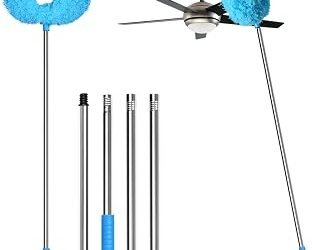
For a fan with particularly narrow vents, a bendable brush is useful. The 2 Pcs Fan Cleaning Brush has soft, scratch-resistant microfiber bristles and can be shaped to reach tight corners around air vents, heaters and fan grilles. Work from the top down so loosened dust falls onto areas you have not yet cleaned.
3. Work Into the Grille Carefully
After vacuuming, use a dry detailing brush to lift dust caught between the slats. Insert it only as far as the grille allows; do not push bristles or tools into the motor housing. Brush in one direction, then vacuum the loosened material immediately. This two-step method keeps dust from simply moving deeper into the fan.
If you clean several fans around the home, the Fan Cleaning Brush Dust Removal Tool Kit includes bendable tools in different shapes for tower, window, box, oscillating and pedestal fans. A dedicated brush is preferable to a rigid household duster because it can follow the fan’s vertical channels without scraping plastic.
For stubborn lint, use a clean, barely damp microfiber cloth on the exterior only. Avoid spraying cleaner directly onto the fan. Moisture entering the grille can reach electrical components, leave streaks or encourage residue to collect more dust.
4. Clean the Housing, Base and Controls
Wipe the fan’s outer casing, base and remote-control surface with a dry or lightly damp microfiber cloth. If the manufacturer permits mild soap, dilute it well and apply it to the cloth—not the appliance. Finish with a dry cloth, paying attention to buttons, seams and the area where the power cord exits.
Do not use abrasive sponges, solvent-based sprays, furniture polish or compressed air unless the manual specifically approves them. Compressed air can drive dust further into the housing, while oily products may leave a film that attracts particles. Let every cleaned surface dry fully before plugging the fan back in.
5. Maintain Airflow and Choose a Practical Replacement
Cleaning works best when paired with sensible placement. Leave space around the intake and outlet, keep the fan away from curtains that can shed fibres and avoid positioning it directly beside dusty heating equipment. In most homes, a light exterior clean every one to two weeks and a more thorough grille clean monthly is a useful starting point. Homes with pets, renovation dust or allergy concerns may need more frequent attention.
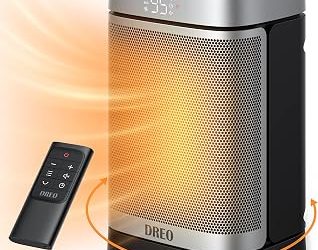
When buying a replacement, look beyond airflow claims. A removable or accessible filter, smooth grille design, stable base, timer and quiet motor all make regular use easier. Models such as the DREO Tower Fan for Bedroom, 28ft/s Velocity and the DREO Tower Fan for Bedroom, Upgraded DC 28ft/s Velocity combine multiple speed settings with oscillation and timers, features that can help you run the fan at a comfortable setting rather than constantly at maximum power.
For a home office or bedroom, low operating noise may matter as much as cooling performance. The DREO Tower Fan for Bedroom, 90° Oscillating is designed around quiet operation and includes several cooling modes. If the fan needs to work in more than one room, the DREO Smart Tower Fan offers adjustable height plus Alexa and Google compatibility, which can make scheduling and hands-free control convenient.
Tips
- Place a washable mat or old towel beneath the fan while cleaning to catch falling dust.
- Use a small label or phone photo to remember the position of any removable filter before taking it out.
- Never operate the fan until all damp parts are completely dry and every panel is correctly fitted.
- If airflow remains weak, the motor smells hot or the fan makes a new rattling sound, stop using it and consult the manual or a qualified technician.
Frequently Asked Questions
How often should I clean a tower fan?
Vacuum or brush the exterior every one to two weeks during regular use, then perform a more detailed grille clean about once a month. Clean more often if you have pets, allergies, open windows near traffic or ongoing decorating work.
Can I wash a tower fan grille?
Only if the manufacturer says the grille is removable and washable. Most tower fans should be cleaned with a vacuum, dry brush and lightly damp cloth. Water should never be poured or sprayed into the appliance.
Can I use compressed air to clean a tower fan?
It is usually not the best choice. High-pressure air can push dust into the motor and electrical parts, where it is harder to remove. Vacuuming followed by careful brushing gives you more control.
Why is my tower fan still noisy after cleaning?
Dust may still be lodged in the grille or base, but noise can also indicate a loose panel, uneven placement or motor wear. Check that the fan is standing level and that accessible screws or panels are secure. Persistent rattling or overheating should be professionally inspected.
Conclusion
The best way to clean a tower fan is gentle and methodical: unplug it, vacuum loose dust, use a flexible soft brush for narrow vents, wipe the casing and allow everything to dry before reconnecting it. Regular light maintenance protects airflow and keeps a streamlined fan looking at home alongside your furniture, while choosing an accessible, quiet model makes that upkeep far less of a chore.