Our Top Picks
A hiking quilt suits three-season walkers who sleep on their back or side, own a sleeping pad with decent insulation, and want a lighter, more flexible alternative to a mummy bag; those who toss and turn on cold, windy nights or sleep in tiny shelters may still prefer a traditional bag. Quilts drop the back insulation and the hood, because down and synthetic fill compress under your body and add little warmth there. The weight saved goes into a roomier footbox and an adjustable fit. This guide explains how quilts work, what the makers publish, and which models suit which hiker.
Hiking Quilts at a Glance
| Model line | Best for | Key stated features | Limits |
|---|---|---|---|
| Enlightened Equipment Revelation | Custom fit, wide range of temperature ratings | Maker offers several lengths, widths, fills and fabrics; made to order; draw-cord neck and pad-attachment straps | Made-to-order wait times; many options to choose from |
| Hammock Gear Burrow | Hammock and ground sleepers wanting a closed footbox and a cinchable top | Maker lists down and synthetic versions, multiple lengths, snap and cord closures | Custom builds mean lead time |
| Katabatic Gear Palisade and Alsek | Cold-weather focus, premium build | Maker describes a patented pad-attachment system and a sealed footbox; fine-tuned fits | Premium tier; limited stock at times |
| Therm-a-Rest Vesper | Ready-to-buy ultralight quilt from a large brand | Maker lists a water-repellent down treatment and a mix of sizes, a few temperature ratings | Fewer fit options than cottage makers |
| Kelty Galactic and other synthetic quilts | Budget and wet-climate walkers | Synthetic fill; the maker lists several temperature options | Heavier and bulkier than down |
Specifications change between seasons, so use this table to find which line to open on the maker’s own page, then read the current weight, fill power, fabric and rating there.

covacure Camping Blanket, Packable Down Alternative Outdoor Blanket 57X78'' | Waterproof & Lightweight Blanket with Snap Buttons, Wearable Warm Puffy Quilt Blocks Wet. For Camping, Hiking, Backpack, Blue
Chosen because it specifies Packable Down Alternative Outdoor Blanket 57X78'' and Waterproof & Lightweight Blanket with Snap Buttons.
View on Amazon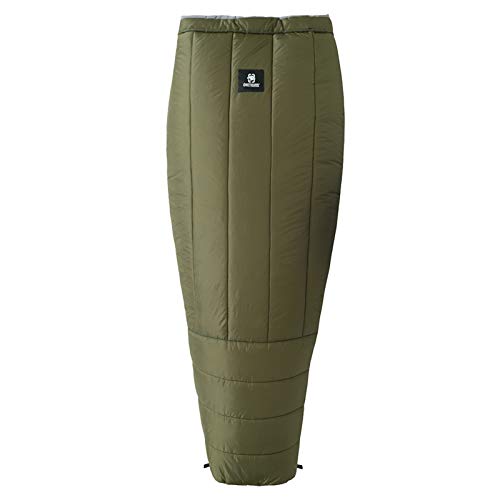
OneTigris Featherlite Ultralight Sleeping Quilt, Weighs Only 35oz | 3 Seasons, Side Sleeper Friendly, Lightweight Backpacking Quilt with Footbox for Camping, Hiking, Backpacking and Hammocks
Chosen because it specifies Weighs Only 35oz and 3 Seasons.
View on Amazon
COVACURE Camping Blanket, Packable Down Alternative Outdoor Blanket 57X78'' | Waterproof & Lightweight Blanket with Snap Buttons, Wearable Warm Puffy Quilt Blocks Wet. For Camping, Hiking, Backpack-Green
Chosen because it specifies Packable Down Alternative Outdoor Blanket 57X78'' and Waterproof & Lightweight Blanket with Snap Buttons.
View on AmazonHow a Quilt Differs From a Sleeping Bag
A quilt is essentially a top blanket with a footbox. Most attach to the sleeping pad with elastic cords, clips or straps, so the pad takes the place of the bag’s bottom layer. When you roll over, the quilt (usually) moves with you and the pad stays put. Many users report that this makes turning easier than in a narrow mummy bag, and that venting is simple: stick a foot or an arm out and you are cooler.
The cost is draft control. A quilt has no hood, so you need a warm hat or a down hood for cold nights. Gaps around the shoulders let air in if the cord is loose or the width is wrong. Reviewers from backpacking outlets generally describe the pad as the weakest link: if the pad has a low R-value, the quilt cannot compensate for ground heat loss.
Temperature Ratings: What to Read
Many quilts are labeled with a temperature rating and a fill type. Treat those numbers as a guide, not a guarantee. Some makers use the EN or ISO standard test and say so; others use their own method. A rating on the sleeping-bag standard is typically an indication for a typical cold sleeper wearing base layers, not a promise of comfort for everyone. People who sleep cold usually choose a model rated lower than the lowest night they expect.
- Look for the test method. If the maker names a standard, you can compare across brands more fairly.
- Check the fit sizes. Regular, long and wide options matter because gaps defeat the insulation.
- Add layers before upgrading. A hat, insulated jacket and dry socks stretch the useful range of any quilt.
Down or Synthetic
Down is the usual choice for weight-conscious three-season hikers because it compresses small and lasts for years when cared for. Fill power is the loft measure; higher figures mean more warmth per unit of weight. Many makers now offer a water-repellent down treatment that resists light moisture, though it does not make a quilt waterproof, and soaked down loses loft.
Synthetic quilts are heavier and bulkier for the same rating, but they keep insulating better when damp, dry faster and typically cost less. Wet-climate walkers, canoeists and beginners on a budget often choose synthetic fill. If you hike in persistent rain and have no way to dry gear, that is a sensible trade.
Shell Fabrics and Construction
- Lightweight ripstop nylon: The common choice. Thinner fabrics save weight but are more prone to snags; check the maker’s description of denier and coating.
- Footbox style: A sewn-shut footbox keeps feet warm; a zippered or open footbox gives more venting but admits drafts.
- Baffles: Sewn-through seams save weight but leave cold spots at the stitching; box baffles trap the fill better and cost more weight.
- Attachment: Straps, clips or a cord system hold the quilt to the pad. Check that the system is compatible with your pad width.
Fit and Size Notes
Choose length by height and width by how you sleep. Side sleepers and larger frames usually need a wider quilt so the edges can tuck under the body. If a quilt is too long, it adds weight; too short, it leaves the shoulders bare. Many makers publish a sizing chart that relates height and shoulder width to a recommended size. Pairing with a wide pad needs a wide quilt, or the edges will gape.
Pick This Model If…
| Pick this | If you… |
|---|---|
| Enlightened Equipment Revelation | want to specify length, width, fill and fabric and do not mind waiting for a made-to-order item |
| Hammock Gear Burrow | sleep in a hammock part of the time and want a closed footbox plus cinchable top |
| Katabatic Gear Palisade or Alsek | often camp in cold shoulder seasons and value tuned construction |
| Therm-a-Rest Vesper | want a ready-made down quilt from a large outdoor brand |
| Synthetic quilt such as the Kelty Galactic line | hike in damp weather or want a lower-cost entry point |
Budget Tiers
Budget: Synthetic quilts from mass-market brands. They are heavier but work well for car camping, short trips and beginners learning whether a quilt suits them.
Mid-range: Made-to-order down quilts from cottage makers such as Enlightened Equipment and Hammock Gear, which deliver good insulation for the weight and a fit that you choose.
Premium: High-fill-power down with refined construction, such as the Katabatic Gear lines, for colder trips and long-distance walkers who count every gram.
Care and Safety Notes
- Store the quilt loosely in a large sack, not compressed, to protect loft. Follow the maker’s care label for washing; most down makers suggest a front-loading machine and a down-specific cleaner.
- Keep a quilt away from open flames, stoves and campfire embers; ultralight nylon melts quickly.
- Do not use a quilt as a sole warmth source in conditions you are not prepared for. Check the forecast, carry an emergency layer and follow local backcountry guidance.
- If you have a medical condition that affects temperature regulation, talk to your doctor before camping in cold weather.
Alternatives to a Hiking Quilt
- Mummy sleeping bag: Warmer in wind and for restless sleepers because it seals around the body and has a hood. Heavier for the same rating.
- Sleeping bag with a half-zip and pad sleeve: A compromise for those who like a bag’s feel but want pad stability.
- Insulated jacket and pants plus a liner: Some ultralight walkers use clothing as part of the sleep system for shoulder-season trips.
Frequently Asked Questions
Is a quilt warm enough for cold nights?
It can be, provided the quilt is rated for the conditions, fits well, and sits on an insulated pad. Many makers sell winter-rated quilts, but most hikers use them in three-season conditions. Always carry extra layers and check the rating method before relying on a number.
Do I need a special sleeping pad?
No special pad is required, but the pad matters more than with a bag because it is your only bottom insulation. Look at the maker’s stated R-value and choose one suitable for the coldest ground you expect. A wide pad also needs a wide quilt or an attachment system that holds the edges down.
How do I stop drafts?
Tighten the neck cord, tuck the edges under you, and use a hat or hood. Choose a width that wraps your shoulders. Pad straps or clips help the quilt stay sealed when you move.
Is down or synthetic better for a quilt?
Down wins on weight and packed size; synthetic wins on damp-weather performance and low-maintenance care. If you often camp in humid or rainy places, synthetic or treated down with a waterproof stuff sack is sensible. Dry-climate hikers usually favor down.
Can I use a quilt in a hammock?
Yes, an underquilt plus a top quilt is a common hammock setup, and some makers sell quilts designed for it. Ground quilts and hammock quilts differ in footbox and cord design, so pick the version the maker lists for your use.
How do I wash a down quilt?
Follow the care label first. Makers commonly advise a gentle wash with a down-safe cleaner, a rinse, and low-heat drying with clean dryer balls until fully dry. Never store a quilt while damp, as mildew can ruin it.