Our Top Picks
For a window fan whose motor has oiling ports, a light non-detergent electric motor oil, commonly sold as SAE 20 weight electric motor oil, is the type many fan makers and repair guides point to, while fans with sealed motors and no oil ports should not be oiled at all. The right answer depends entirely on your model, so the first step is the owner’s manual or the maker’s support page. This guide explains which fans need oil, which products suit them, what to avoid, and how to do the job safely.
First, Find Out If Your Fan Needs Oil
Many modern window fans use sealed or permanently lubricated motor bearings. These need no oiling, and adding oil can attract dust or damage plastic parts. Older fans and some heavier-duty models have small oil ports, often marked with the word oil or a small cup or hole on the motor housing near the shaft. Look at the motor end bells for tiny holes or rubber plugs. If you cannot find any, or the manual says the motor is permanently lubricated, do not oil it. If the fan is noisy, squeaky or slow, the cause may be dust, a bent blade, or a worn motor that needs replacement instead.

Ceiling Fan Oil 8 Oz Universal Fan Lubricant
Picked as a relevant option in this category.
View on Amazon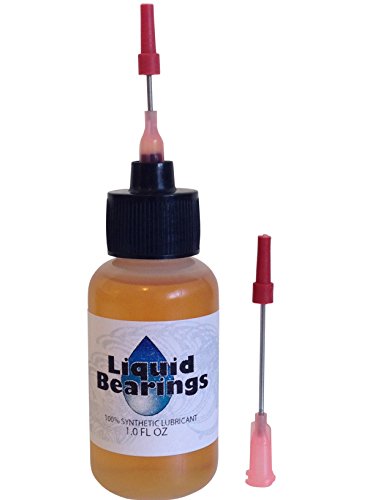
Liquid Bearings, Superior 100%-Synthetic Oil for Indoor or Outdoor Fans - Table, Ceiling, Box, Portable - Keeps Fans Operating Smoothly and Reliably
Chosen because it specifies Superior 100%-Synthetic Oil for Indoor or Outdoor Fans and Table.
View on Amazon
Liquid Rescue 100%-Synthetic Oil for Table Fans, Ceiling Fans, Box Fans, Portable Fans, to Keep Indoor and Outdoor Fans Operating smoothly, Quietly, and reliably! 1 oz. Bottle w/3 Needles
Chosen because it specifies Ceiling Fans and Box Fans.
View on Amazon
100%-synthetic, oil for window fans and all fans, perfect for indoor & outdoor, never evaporates or becomes gummy, quiets all the squeaks, makes them move smoother, 1 oz bottle w/2 stainless tips!
Chosen because it specifies oil for window fans and all fans and perfect for indoor & outdoor.
View on AmazonAt a Glance: Lubricant Types
| Product type | Best for | What makers say | Limits |
|---|---|---|---|
| Electric motor oil (SAE 20, non-detergent) | Fans with oil ports and sleeve bearings | Marketed as light oil for small electric motors and fans | Not for sealed motors without ports |
| 3-IN-ONE Electric Motor Oil | Household motors with oiling ports, as the label describes | The maker positions it for electric motors | Do not use the multi-purpose version on motors unless the label says it is suitable |
| General multi-purpose oil | Hinges, tools, light household use | Often contains solvents or detergents | Detergent oils can thin out or gum up motor bearings; not usually advised for fans |
| Penetrating or spray lubricants such as WD-40 | Loosening stuck parts, cleaning | Described by makers as a water-displacing spray and light lubricant | Often not long-lasting lubrication for motor bearings |
| Grease | Gearboxes and heavier bearings, if the manual calls for it | Varies by product | Too thick for most small fan motors |
Choosing the Oil
Electric motor oil
Electric motor oil is formulated for small motors with sleeve bearings. Many guides recommend a light, non-detergent oil, often an SAE 20 grade, and several hardware brands package it in small bottles with a spout to reach tiny oil ports. Detergent engine oils are designed to hold contaminants in suspension, which is not what a small sleeve bearing needs. The key is to follow the manual, since a few makers specify a different grade.
Why not general-purpose sprays
Spray lubricants are handy for stuck hinges and are marketed as multipurpose products, but many are thin and evaporate or are not designed to coat the bearing surfaces for long. They can also drip onto windings or onto plastic and rubber parts. Makers of motors generally prefer their own listed oil or a plain light machine oil. If the manual says to use a specific product, use that.
Quantity matters
Fan bearings need only a few drops. Over-oiling can leak onto the motor windings, attract dust, and make the fan smell or perform worse. A drop or two per port is the typical suggestion in repair guides, but follow your manual’s quantity.
Safe Steps for Oiling a Window Fan
- Unplug the fan and move it to a stable work surface. Do not oil a fan while it is connected to power.
- Remove the front grille if the manual allows, and wipe dust from the blades and motor housing with a dry or slightly damp cloth.
- Find the oil ports on the motor housing. If there are rubber plugs or caps, lift them gently.
- Add the oil in small amounts, one or two drops per port.
- Spin the blades by hand a few times to work the oil in.
- Wipe away excess oil, replace the caps, and reassemble the grille.
- Run the fan on a low speed for a short time and listen. A persistent squeal may signal a worn bearing or a bent blade.
If the motor smells burnt, gets very hot, trips a breaker, or sparks, stop using the fan and replace it. Do not attempt electrical repairs unless you are qualified; consult an electrician or a repair professional. Keep oil away from the power cord and plug.
Fit and Compatibility Notes
- Sealed motors: no oil needed; focus on cleaning.
- Sleeve bearing motors with ports: usually use light electric motor oil.
- Ball bearing motors: often sealed and not oiled by users.
- Brushless or modern fans with circuit boards: avoid getting any liquid near electronics.
Brands such as Lasko, Holmes, Honeywell and Air King each publish care instructions on their support pages, and many state whether lubrication is needed. If your manual is lost, search the maker’s website with the model number printed on the fan’s label.
Pick X If… Decision Table
| Pick this | If you have |
|---|---|
| Light electric motor oil, such as an SAE 20 non-detergent product | A fan with visible oil ports and a manual that approves light oil |
| The specific oil named in your manual | Any fan where the maker lists a product |
| No oil at all | A sealed or permanently lubricated motor |
| A dry cloth and cleaning | A noisy fan with no oil ports |
| A replacement fan | A motor that is worn, overheating or smells burnt |
Budget Tiers
Lubricant costs are modest. The budget tier is a small bottle of general light machine oil only where the manual allows it. The mid-range tier is a bottle of branded electric motor oil with a precision spout. The premium tier is typically a maker-branded or specialty lubricant if the manufacturer supplies one. In most cases the cost of a bottle is lower than the cost of replacing a fan, but if the fan is cheap and worn, replacement may be the more practical choice.
Preventing Noise Without Oil
- Clean dust from blades; uneven buildup can unbalance them.
- Tighten the screws on the grille and panels.
- Check that the fan sits level and the extension panels are snug.
- Look for a bent blade or a loose blade hub.
- Store the fan dry in the off-season to limit corrosion.
Alternatives to Consider
- Replacing the fan: newer window fans are often sealed and require no lubrication.
- Using a different type of fan: a tower fan or box fan can avoid window mounting.
- Professional repair: useful for larger or valuable fans with a failed motor.
When to Replace Instead of Lubricate
Lubrication is worth trying when a fan that has oil ports begins to squeak, slows at startup, or runs rougher than it used to. It is not a cure for every fault. If the blades wobble, the shaft feels loose, the motor hums without turning after oiling, or the housing becomes hot, the issue is likely mechanical wear or electrical failure. Window fans are generally inexpensive appliances, and the time and risk of opening a motor often outweigh the savings. Replace a fan with a frayed cord, cracked housing or burnt smell. When you shop for a new one, look for a model whose maker states that the motor is sealed or permanently lubricated, since that removes a recurring maintenance step. Recycle old electrical appliances through a local program instead of placing them in household trash where rules require separate collection.
Frequently Asked Questions
What oil should I use on a window fan?
If your fan has oil ports, many guides suggest a light non-detergent electric motor oil, commonly SAE 20 weight, but you should follow the manual. If there are no ports, do not oil it.
Can I use WD-40 on a fan motor?
It is generally a water-displacing spray and light lubricant, and it is not usually advised as a long-term bearing lubricant. Use it to clean or free stuck parts at most, and prefer the oil your manual names.
How often should I oil a window fan?
Some makers suggest once a season or once a year for fans with oil ports. Others say never. Your manual has the definitive answer.
Why is my window fan squealing?
Squealing can come from dry bearings, a bent blade, loose parts, or dust buildup. Unplug the fan and inspect it, and replace it if the noise persists.
Is it safe to oil a fan myself?
It is generally a simple task if the fan is unplugged and you use only a few drops in the correct ports. Do not attempt electrical repairs, and contact a professional if you see damage.
Can too much oil damage the motor?
Yes. Excess oil can reach the windings, attract dust and cause smells or performance problems. Use small amounts and wipe off any excess.