Key takeaways
- Dehumidifier freezing up? Learn why coils ice over below about 65 F, how auto-defrost works, a 6-step fix and when a desiccant model suits a cold room.
A dehumidifier freezes up when the coil that cools the air drops below 32 degrees Fahrenheit, so the moisture it is meant to collect freezes onto the coil instead of dripping into the tank. The most common reasons are a room that is too cool, restricted airflow from a dirty filter or a blocked vent, or a defrost system that is not doing its job. This guide explains each cause in plain terms, shows how room temperature changes frost risk, walks through a safe first response and a fix checklist, and covers when a desiccant dehumidifier suits a cold space better than a compressor model. It is general guidance based on how these appliances are commonly designed and described in manufacturer documentation, so your own manual always has the final word on temperatures, defrost behavior and cleaning. One rule applies to everything below: unplug the unit before you look inside, touch the coil or move it.
What “freezing up” actually looks like
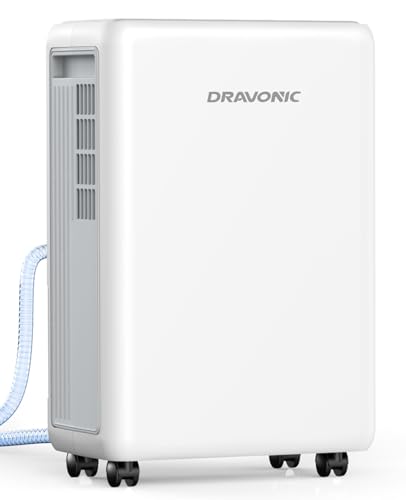
When people say a dehumidifier is freezing up, they usually mean frost or ice has formed on the evaporator coil, the cold metal fins behind the grille where room air is chilled and water condenses. You may notice that the unit runs but the tank stays nearly empty, that air coming out feels barely different from air going in, or that a wall of white frost is visible through the vents. Some people only discover the problem when a puddle appears after the ice melts, or when the unit shuts off by itself because its defrost mode has kicked in.
Frost is not always a fault. A thin, brief layer that appears and clears in a cool room is the defrost system doing its job, and many manuals describe a defrost indicator for exactly that reason. The problem starts when the frost thickens and stays. Ice is a good insulator, so a coated coil exchanges less heat with the passing air, which makes the coil get even colder, which grows more ice. Engineers call this a runaway loop, and it is the reason a small airflow or temperature problem can turn into a dead-looking machine in a few hours.
Other symptoms can look similar but have different causes. A full tank usually triggers an auto shut-off and a light or beep, not ice. A tripped breaker or a bad cord gives no sound at all. A noisy fan with no water suggests a failing motor or a clogged coil. If you see actual ice or heavy frost, though, the sections below apply. If you see only water around the base, check the tank seating, the drain hose connection and the float switch before assuming the coil is the issue.
It also helps to note when the icing happens. Ice that appears every autumn when the basement cools points to temperature. Ice that appears right after a long stretch of continuous running points to a setting problem. Ice that appears in July in a warm room, even after cleaning the filter, points to a mechanical or sensor fault. Keeping a rough record of when it happens saves a lot of guesswork.
Why coils get cold enough to ice
A compressor dehumidifier works on the same principle as a refrigerator. A compressor circulates refrigerant through the evaporator coil, where it expands and gets cold. A fan pulls room air across that coil, the air cools below its dew point, water condenses and drips into the tank, and the cooled, drier air then passes over a warm condenser coil and returns to the room. A working evaporator coil commonly runs well below room temperature, often somewhere in the 30s to 40s Fahrenheit under normal conditions, which leaves only a modest margin above freezing.
Anything that shrinks that margin pushes the coil toward ice. The first factor is cool incoming air. Warm air carries a lot of heat, and that heat keeps the coil above freezing even as the refrigerant works hard. When the room is cool, the air supplies less heat, so the coil’s surface temperature falls. The second factor is airflow. Less air across the coil means less heat delivered to it, and the coil gets colder just the same. A dirty filter, a blocked intake or a weak fan all do this.
The third factor is low humidity. Condensation releases heat onto the coil, and when the air is already fairly dry, there is less of that heat to go around. A unit set to a very low target keeps running after the room has reached a comfortable level, pulling the coil colder while collecting little water. The fourth factor is refrigerant: if the system has leaked, the coil can run colder than designed, and ice appears even in warm rooms. That last cause is not a home repair.
These factors stack. A mildly cool basement, a slightly dirty filter and a low humidity target may each be harmless alone, yet together they can freeze the coil within hours. Fixing any one of them often breaks the cycle, which is why the troubleshooting list later in this guide starts with the cheapest and safest items.
Room temperature and frost risk
Room temperature is the single most useful variable to check, because most frost problems start in cool spaces such as basements, garages, crawl spaces and unheated cabins. The table gives general guidance. It is a hedged pattern based on how compressor units are commonly described in manufacturer documentation, not a promise about any model, since each unit has its own stated range. The temperatures refer to the air entering the unit, not the thermostat reading in another room.
| Room temperature (approx.) | Frost risk | What you may notice | Practical move |
|---|---|---|---|
| Above 75 degrees F | Low | Steady water collection, little defrost activity | Normal operation; keep the filter clean |
| 65 to 75 degrees F | Low to moderate | Occasional short defrost pauses | Normal for many models; watch airflow |
| 55 to 65 degrees F | Moderate | Output drops; defrost pauses get longer | Warm the room, run during the warmest hours, check the manual’s minimum |
| 45 to 55 degrees F | High | Frequent icing and little water in the tank | Compressor models are often a poor match; consider a desiccant type |
| Below 45 degrees F | Very high | Ice forms quickly; the unit may cycle off often | Do not rely on a compressor unit unless the manual states this range |
Two points make the table more useful. First, cold air holds less water, so a cold basement can show a high relative humidity reading while containing less actual moisture than a warm room at the same percentage. A compressor unit working at 50 degrees Fahrenheit may be collecting very little water per hour even if the dial says 70 percent. This is why simply buying a stronger compressor unit rarely solves a cold-room problem.
Second, the room is rarely uniform. Air near a concrete floor or an exterior wall can be several degrees cooler than air at waist height. Placing the unit on a low stool, away from a cold wall and in the warmest open part of the space can lift the intake temperature enough to matter. A cheap thermometer next to the intake tells you more than the thermostat upstairs.
How auto-defrost works
Most compressor dehumidifiers include some form of defrost control because frost is expected in cool rooms. The details vary by model, so treat this description as the general pattern and your manual as the authority. A temperature sensor attached to or near the evaporator coil watches how cold it is. When the sensor reports that the coil is near or below freezing, the control board acts to melt the ice before it builds up.
The simplest method is to stop the compressor while leaving the fan running. Room air keeps flowing across the coil, and since the coil is no longer being chilled, the air melts the frost. Once the sensor reports a safe temperature, or after a set time, the compressor restarts. Some designs use a timer in place of, or alongside, the sensor, and some larger or low-temperature models use a heated or hot-gas cycle to clear ice faster. Many units show a defrost light or a symbol on the display during this phase.
Defrost pauses are normal and not a sign of failure, but they do change how the machine behaves. During a pause no water is being removed, so a unit in a 55-degree basement can spend a large share of its time defrosting and collect little. In that situation the defrost system is protecting the compressor, not the drying job, and no setting will change the physics. Another point is that the compressor typically has a built-in restart delay of a few minutes to protect it from short cycling, so a unit that looks idle for a while after a pause may not be broken.
Auto-defrost can fail. A sensor may drift, lose contact with the coil or fail outright, in which case the control board never sees the cold coil and never starts the cycle. A dirty or damaged coil can also hold the sensor off. If you see thick ice despite a room that is within the stated operating range and a clean filter, a defrost sensor fault is a likely suspect, and that is a job for a service technician or a warranty claim, not a screwdriver.
Other causes that have nothing to do with cold air
If the room is warm and the unit still ices over, work through the airflow and control causes before assuming the worst. Airflow comes first because it is the cheapest to fix and the most common. A clogged air filter starves the coil of air; a unit placed against a wall or curtain cannot draw or exhaust freely; a blocked or crushed grille does the same. Manuals often specify clearance around the unit, commonly several inches on the intake and exhaust sides, and following that figure is worth the small loss of floor space.
The humidity setting is the next suspect. A target of 30 percent in a room that sits naturally near 45 percent forces the compressor to run continuously, long after the water supply has dwindled, which drives the coil cold with little heat load from condensation. Raising the target to a realistic 45 to 50 percent lets the unit cycle off and gives the coil time to recover.
A weak or failing fan motor reduces airflow even when the filter is clean. Signs include a fan that sounds labored, runs slowly or stops intermittently. A failing humidity or temperature sensor can mislead the control board into running the compressor when it should rest. And as noted earlier, a refrigerant leak will run the coil colder than designed, which can freeze even in warm conditions. You may notice reduced cooling and, occasionally, an oily residue near the coil, though not always.
Operating habits matter too. Running the unit with doors and windows open, so it dehumidifies the outdoors, keeps the humidity load high and the output low. Closing a small room off with an oversized unit can drop humidity quickly, then leave the machine pulling cold air across the coil with nothing to condense. Matching the unit’s size to the space and keeping the room reasonably sealed gives the defrost system an easier job.
Safe first steps and a fix checklist
If you find ice on the coil, start with safety. Unplug the dehumidifier from the wall before touching anything; do not just switch it off at the panel. Water, ice and mains power are a poor mix, and a unit that has been leaking should stay unplugged until it is dry. Empty the tank, put a towel or tray underneath for the meltwater, and move the unit, if you can, to a warmer room with the ice left to melt on its own. Do not chip the ice with a screwdriver or knife, because the coil tubing is thin and a puncture releases refrigerant and ends the unit’s life. Avoid open flames, and use a hair dryer or heater only if your manual explicitly permits it. A gentle fan pointing at the coil is a safer way to speed things up.
Once the ice has melted completely and the unit is dry, work through this checklist before plugging it back in:
- Read the manual. Find the stated operating temperature range, the clearance requirements and any instructions for defrost or cleaning.
- Clean the filter. Remove it, rinse it in lukewarm water or vacuum it as the manual directs, and let it dry fully.
- Check the airflow path. Clear the intake and exhaust, keep several inches clear on every side and move the unit away from walls and curtains.
- Check the bucket and float. Confirm the tank is seated correctly and the float moves freely; a misaligned tank can cause a false shut-off.
- Raise the room temperature. Warm the space if you can, or relocate the unit to a warmer area of the room.
- Reset the target. Set the humidity to 45 to 50 percent, restart after the unit has stood for the time the manual recommends, and watch it for a few hours.
If the ice returns within a day under conditions that should be fine, stop and move on to the repair-or-replace section below.
Keeping a dehumidifier from icing in a cool space
Prevention is mostly about matching the machine to the room and the season. In a basement or garage that turns cool, the first lever is the warmest hours of the day. Running the unit during the afternoon, when the space is a few degrees warmer, and shutting it off overnight can cut frost cycles and electricity use. A timer or smart plug makes that easy, and a thermometer at the intake tells you whether the plan works.
The second lever is heat. A small amount of background warmth, such as leaving a nearby heating zone open or using a low-wattage heater where it is safe and allowed, can lift a 52-degree space to a more workable temperature. This is a trade-off, because heating a basement to dry it costs money, and the savings are not always obvious. Sealing obvious air leaks, insulating rim joists and closing a crawl-space vent in cold months can also help, and those improvements reduce the moisture load in the first place.
Third, choose the target carefully. In cold weather, indoor air is naturally drier because cold outdoor air holds little water, so you may need less dehumidification in winter than in summer. Switching the unit off for the coldest weeks, once the space is dry and monitored with a hygrometer, avoids both the frost and the cost. A reading that stays at or below about 50 percent is a reasonable sign the space is under control.
Finally, check the label before buying a replacement for a cold space. Some compressor models state a lower minimum operating temperature than others, and some are marketed as low-temperature or basement models. A claim is only as good as the stated range in the manual, so compare those numbers instead of capacity alone. If the room spends a large part of the year below 50 degrees, a different technology may be the better answer, as the next section explains.
When a desiccant dehumidifier suits a cold room
A desiccant dehumidifier removes moisture without a cold coil. Room air passes over a moisture-absorbing material, often on a slowly rotating wheel. A second, heated airstream dries out part of the wheel and carries the moisture out, usually as warm, humid air that is collected or drained. Because nothing in the process has to fall below freezing for condensation, there is no coil to frost, and these units are commonly recommended for cool or unheated spaces such as garages, crawl spaces, workshops and holiday cabins.
The trade-offs are real. Desiccant units generally use more energy per pint in warm conditions than a compressor model, because they heat air as part of the cycle. They exhaust warm air, which can be a mild benefit in winter and a nuisance in summer. They are often louder or heavier than small compressor units, and many cost more upfront. Their strength is consistency in cold conditions, where a compressor unit’s capacity falls away. The table summarizes the contrast in general terms.
| Question | Compressor type | Desiccant type |
|---|---|---|
| Best temperature range | Warm to mild rooms | Cool to cold rooms |
| Risk of coil frost | Real in cool rooms | Not the same mechanism |
| Energy use per pint | Lower in warm, humid rooms | Often higher in warm rooms |
| Air leaving the unit | Slightly warmer and drier | Warmer and drier |
| Typical use | Basements, bedrooms, living areas | Garages, crawl spaces, cabins, winter use |
Do not assume any model is a cure-all. Desiccant units still have a stated minimum temperature, and a space that falls to freezing can threaten any appliance that contains water in its tank or hoses. Small thermoelectric mini units are not the answer either; they also lose output as the room cools. Some households use a hybrid approach: a compressor unit in the warm, humid months and a desiccant unit through winter. Whatever you choose, read the stated range for your exact model before buying.
When to stop troubleshooting: repair or replace
There are limits to what a filter wipe and a warmer room can do. Stop troubleshooting and consider service or replacement when the unit ices over repeatedly in a room that is comfortably within its stated temperature range, when the compressor does not seem to start at all, when you hear a hissing or see an oily residue near the coil, when the breaker trips, or when you smell something burning. These point to a refrigerant leak, a failed sensor, a bad compressor or an electrical fault. None is a safe do-it-yourself job, and opening the sealed refrigerant circuit requires a licensed technician.
Before you spend money, check the warranty and the receipt. Warranty terms vary by product and by seller, and we cannot say what any particular one covers, so read the documents that came with the unit and contact the manufacturer or seller. For a lower-cost appliance, a repair quote can approach the price of a new unit, and in that case replacement is the more sensible path. For a higher-cost or larger unit, a service call for a sensor or fan motor may be worth it.
If you replace the unit, spend a few minutes on fit. Note the room’s real temperature range, measure the area, and decide whether you need a hose to a drain. A bigger machine does not fix a cold-room problem, since capacity ratings assume a warm test condition, but it may help if the space is simply large and damp. Our roundup of the best 50 pint dehumidifier options is a starting point for larger spaces, and the same cold-room question applies: look for a stated operating range, not only the pint figure.
Related guides
Frequently asked questions
Why does my dehumidifier keep freezing up?
The cold coil inside a compressor dehumidifier drops below 32 degrees Fahrenheit and the moisture collecting on it turns to frost instead of dripping away. The usual causes are a room that is too cool, a dirty filter or blocked vents that restrict airflow, a humidity setting that keeps the unit running when little moisture is left, or a fault in the defrost sensor. Persistent icing in a warm room can point to low refrigerant.
What temperature is too cold for a dehumidifier?
There is no single number, because models differ, so read the operating range in your manual. As a general pattern, compressor models work best above roughly 65 degrees Fahrenheit, lose output as the room cools through the 50s, and often stop being practical in the 40s. Some units are marketed for lower temperatures, and desiccant models are built for cold rooms, but verify the stated range for your exact model.
Is it safe to keep running a dehumidifier with ice on the coils?
It is better not to. Ice blocks airflow, so the unit removes little water while still drawing power, and a thick layer can strain the compressor and later leak water onto the floor when it melts. Unplug the unit, let the ice thaw fully, empty the tank and check the filter and room temperature before restarting. If your manual gives different steps, follow the manual.
How long does it take a frozen dehumidifier to thaw?
Light frost can clear in an hour or two once the unit is unplugged in a warmer room, and a thick layer of ice may take several hours or overnight. Speed depends on room temperature and how much ice formed. Do not chip ice with tools, because the coil tubing is thin and can be punctured. Put a towel or tray under the unit to catch the meltwater, and let it dry before restarting.
Do desiccant dehumidifiers freeze up?
They do not rely on a cold coil to pull moisture from the air, so they do not frost in the way a compressor unit does, which is why they are recommended for cool spaces. They have limits of their own, including higher energy use per pint in warm conditions and warmer exhaust air. Check the manufacturer’s stated operating temperature range, and do not assume any model works in a freezing space.