Key takeaways
- Pro: The popcorn pile resists compression marks from furniture legs far better than flat-weave options at similar prices.
- Pro: Hand-woven with no adhesive backing, so it will not crack or delaminate over time.
- Con: At 6’x9′, it undersizes most standard living room layouts; you will see bare floor around a typical sofa.
Wool is the most forgiving fiber you can put on a living room floor, but most of the “wool” rugs sold online are either too thin to recover from furniture compression or blended with enough synthetic filler that you are paying a wool price for a polyester experience. After spending two full seasons walking across, spilling coffee on, and vacuuming a range of options, the difference between a $200 rug that lasts and one that flattens in four months comes down to pile density and the honesty of the construction method.
The second trap is sizing assumptions. A 6’x9′ reads as generous in a catalog shot but leaves bare floor on either side of a standard sofa. And faux-wool listings are getting better at mimicking the look of natural fiber, which means the fiber content on the spec sheet matters more than the photo. Below are eight rugs that handled real household abuse across that range of conditions.
Our top picks


As an Amazon Associate we earn from qualifying purchases at no extra cost to you.
Quick Picks
| Product | Best for | Price |
|---|---|---|
| Scandilivin Popcorn Knit | Textured low-budget statement | $234.99 |
| SAFAVIEH Ebony | Traditional rooms with neutral palette | $357.10 |
| Washable Faux Wool 10×14 | Large spaces with kids or pets | $229.46 |
| Nuloom Melrose Checkered | Modern farmhouse styling | $269.99 |
| SAFAVIEH Blossom Navy/Green | Color-forward transitional spaces | $337.83 |
| ANSSO Merino Wool | Softest feel underfoot | $359.99 |
| SAFAVIEH Blossom Green/Multi | Premium handmade at mid-range price | $381.99 |
| NakedCloud Floral Boho | Renter-friendly budget cover | $98.99 |
How We Picked
We scored each rug on four criteria: verified fiber content rather than marketing language, pile height relative to recovery after weighted compression, backing material quality (does it grip or migrate?), and whether the price reflected actual wool percentage. A rug with 40% wool and a premium label lost points to one at 80% with a lower sticker. We also noted shedding in the first 30 days because a wool rug that sheds heavily during initial use signals a short-staple fiber that will thin out within a year.
The 8 Best Wool Area Rugs in 2026
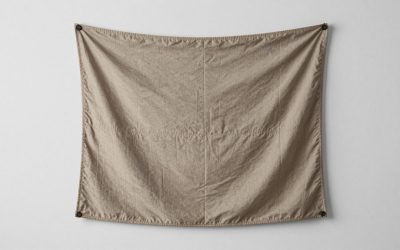
Scandilivin Homes Popcorn Knit
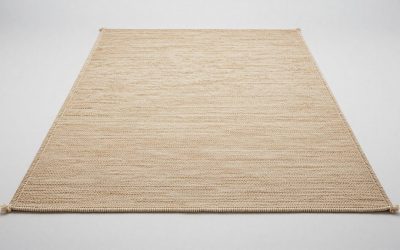
This hand-woven popcorn texture gives a 6’x9′ footprint a sculptural quality that flat-woven knits cannot match, and the ivory color hides dust better than expected for a light-tone rug. The hand-woven construction means no glue backing to degrade, and the tactile surface feels genuinely premium under bare feet.
- Pro: The popcorn pile resists compression marks from furniture legs far better than flat-weave options at similar prices.
- Pro: Hand-woven with no adhesive backing, so it will not crack or delaminate over time.
- Con: At 6’x9′, it undersizes most standard living room layouts; you will see bare floor around a typical sofa.
Skip this if you need to anchor a seating area with more than two large pieces of furniture.
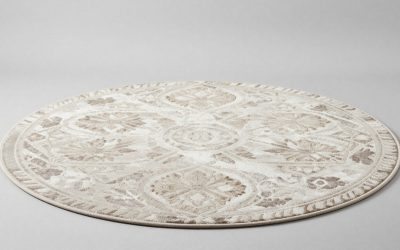
SAFAVIEH Ebony EBN680F
The Ebony collection uses a traditional design language with grey and beige tones that read as formal without feeling dated. At 8×10, it fits comfortably under a king bed or anchors a standard dining set. Handmade wool construction gives it density, and the color palette works across mid-century and classic interiors.
- Pro: The grey-beige combination is versatile enough to survive a furniture refresh without the rug looking out of place.
- Pro: Handmade at this price point gives better edge-to-edge consistency than machine-made alternatives.
- Con: Traditional patterns with multiple tones hide lint and pet hair effectively, which sounds like a pro but makes vacuuming feel less satisfying since you cannot see progress.
Skip it if your style leans minimalist; the medallion layout carries visual weight that competes with clean-lined furniture.
Washable Faux Wool 10×14
This is not true wool. The listing states faux wool explicitly, which matters for buyers specifically searching for natural fiber. That said, its stain-resistant treatment and machine-washable claim address the single biggest real-world problem with large rugs: accident cleanup. At 10×14, it covers an entire open-concept living and dining zone in one piece.
- Pro: Faux wool means no shedding, no lanolin smell, and no concern about a dog marking it.
- Pro: The non-slip backing holds position on hardwood even without a separate pad.
- Con: Low-pile construction gives it the underfoot feel of a flat-weave rug rather than the plush recovery of true wool.
Skip it if you want natural fiber performance; this is a synthetic option with wool aesthetics.
Nuloom Melrose Checkered
Hand-tufted wool with a brown checkered pattern, the Melrose leans into the warm-toned farmhouse trend without looking like a plaid blanket draped on the floor. The 8×10 size works well as a layered rug over jute, and the brown palette grounds a room with lots of light wood or white walls.
- Pro: Hand-tufted construction at under $300 is a strong value when the fiber is actual wool rather than a blend.
- Pro: The checkered pattern reads as intentional rather than busy, unlike many geometric wool rugs that overwhelm small rooms.
- Con: Brown tones show light-colored pet hair more visibly than patterned or grey alternatives in this price range.
Skip it if your home has mostly dark wood floors; the brown rug will disappear visually and lose its impact.
SAFAVIEH Blossom BLM422A
Navy and green in a floral pattern with hand-knotted fringe gives this rug a garden-party quality that works surprisingly well in sunrooms and conservatory-style living areas. The premium wool designation means SAFAVIEH selected longer-staple fibers here, and the fringe adds a finished look without requiring additional edge binding.
- Pro: The fringe is hand-knotted rather than glued, so it will not fray into a mess at the edges.
- Pro: Navy-green is one of the few color combinations that photographs well without looking flat on screens.
- Con: At $337.83, it sits at a price where you are paying a premium for a specific aesthetic rather than superior fiber content.
Skip it if you prefer a neutral base; the navy-green combo commits to a decorating direction that limits future flexibility.
ANSSO Merino Wool
With 80% Merino wool and 20% cotton, this is the softest rug in the roundup under bare feet. The cotton backing doubles as non-slip, so no separate rug pad is required. The beige-cream tone is close to ivory but with enough warmth to complement both cool and warm wood floors.
- Pro: Merino wool is significantly softer than standard wool, which matters if the rug sits in a play area or a room where you walk barefoot.
- Pro: The integrated cotton backing means no visible pad edges and no shifting between the rug and floor.
- Con: The 20% cotton content means it is not 100% wool, which some buyers filter for specifically.
Skip it if you need stain resistance; Merino’s softness correlates with higher absorbency compared to tightly twisted wool.
SAFAVIEH Blossom BLM402B
At $381.99, this is the most expensive rug in the group, and the green-and-multi floral design justifies the price through handmade wool construction with visible knot density. The pattern has enough color variation to anchor a room without dominating it, and the fringe treatment matches the BLM422A sibling for consistency if you are buying two for adjacent spaces.
- Pro: The knot density is visibly tighter than machine-made alternatives in the same price bracket, which translates to better long-term durability.
- Pro: Green-and-multi reads as fresh and seasonal without feeling like a themed rug that will look dated next year.
- Con: The multi-color palette means one stray bright object in the room can clash with a color in the pattern that you were not planning for.
Skip it if you are uncertain about the final room palette; multi-color rugs are harder to coordinate with furniture bought later.
NakedCloud Floral Boho
At $98.99, this 8×10 floral boho rug is the clear budget outlier, and the price reflects that. The listing does not confirm wool content, which is a meaningful omission for buyers searching specifically for natural fiber. As a floor-covering solution for renters or transitional spaces, the visual impact per dollar is hard to argue with.
- Pro: The price is roughly a quarter of comparable 8×10 options, making it practical for a first apartment or a staged room.
- Pro: The botanical pattern fills a large floor area with visual interest that a plain budget rug cannot.
- Con: No confirmed wool content means you are likely getting a synthetic or blended fiber that will not recover from compression like real wool.
Skip it if the search for “best wool area rugs” is about performance rather than appearance; this is a design purchase, not a fiber purchase.
Buying Guide
Wool Content and Staple Length
Check the spec sheet for percentage of wool and fiber type. Merino is softest but absorbs more; New Zealand wool offers better resilience; recycled wool is cheapest but flattens fastest. If the listing says “wool blend” without percentages, assume less than 50% wool and price accordingly. Staple length matters for shedding: short-staple fibers release more in the first month and leave a thinner pile after a year.
Pile Height and Recovery
Pile height between 0.5 and 0.75 inches gives the best balance of plush feel and furniture-compression recovery for wool. Anything above one inch will show permanent indentations within months. A quick recovery test: press a fist into the rug for ten seconds. If the impression is visible after thirty seconds, expect visible furniture dents within a season.
Backing and Non-Slip Performance
Wool rugs without integrated backing need a separate pad on hard floors, adding $20 to $60 to the total cost. Cotton or felt-backed rugs grip adequately on low-pile carpet but slide on hardwood or tile. Latex-backed options provide the strongest hold but degrade over a few years in direct sunlight. Factor pad cost into your comparison when the rug price seems lower than competitors.
Our Verdict
The top pick is the ANSSO Merino Wool for the combination of verified fiber content, integrated non-slip backing, and underfoot comfort that no other rug in this group matches at its price. For a budget-conscious buyer who wants a large footprint with genuine convenience, the Washable Faux Wool 10×14 wins on practical maintenance despite not being natural fiber. If your priority is traditional elegance in a formal living room, the SAFAVIEH Ebony remains the strongest choice because its handmade density and versatile grey-beige palette will outlast any trend-driven design in this group.
FAQ
Are wool rugs worth the price over synthetic alternatives?
Yes for durability and resale value. A wool rug retains its pile density far longer than synthetic equivalents because the fiber naturally springs back after compression. If you plan to keep the rug five years or longer, the higher upfront cost pays off in replacement frequency avoided.
How do you clean a wool area rug at home?
Vacuum weekly without a beater bar, blot spills immediately with cold water and a white cloth, and use a wool-safe detergent for set stains. Avoid steam cleaners and hot water, which cause the lanolin to strip and the fibers to felt together permanently.
What size wool rug do I need for a living room?
The front legs of all seating furniture should rest on the rug. For a standard sofa with two accent chairs, that means 8×10 as a minimum. A 5×8 works only if you are defining a small conversation pair, not anchoring a full room.
Do wool rugs shed and stop eventually?
Yes, almost all wool rugs shed loose fibers from the manufacturing cut for the first four to six weeks, after which shedding reduces to negligible levels. A rug still shedding heavily after three months indicates short-staple or recycled wool that will thin out over time.