Key takeaways
- Sweep and dry the deck before anchoring; grit and moisture undermine every adhesive and grip method.
- Lift the rug after heavy rain to let both the rug and the boards air out and prevent mildew stains.
- Combine methods in exposed, windy spots, stakes plus a grip pad hold far better than either alone.
- Check stainless hardware, not zinc; cheap fasteners rust fast and leave brown streaks on the decking.
An outdoor rug can turn a bare deck into an open-air living room, but the first strong gust reminds you that a deck is not a floor. Unlike an interior rug held down by furniture and walls, a deck rug sits in the wind with slick boards underneath and gaps between the planks that let air lift the corners. Left unsecured, it flaps, curls, slides toward the stairs, and becomes a genuine trip hazard.
The good news is that anchoring a rug to a deck is a quick weekend job with the right hardware. This 2026 guide covers every reliable method, from stakes driven through the boards to marine-grade tie-downs and grippy underlayment, so you can pick the approach that matches your deck material and how permanent you want the setup to be.
Our top picks




As an Amazon Associate we earn from qualifying purchases at no extra cost to you. Ratings are shown as listed on Amazon.
⚡ Save on Your Next PC — Amazon Prime
Prime members get fast free shipping on the systems above, plus early access to Prime Day & Black Friday PC deals. New members get a 30-day free trial.
Watch: How to Anchor an Outdoor Rug on a Deck — Video Review
Start With the Right Rug
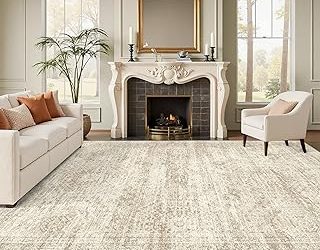
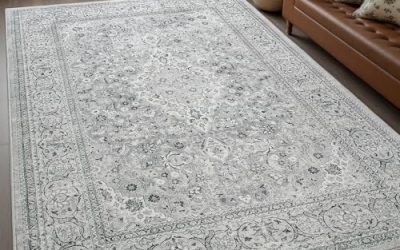
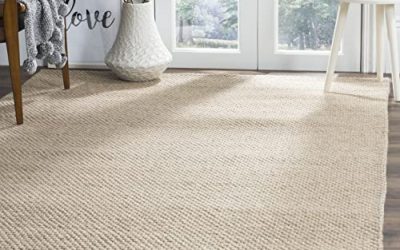
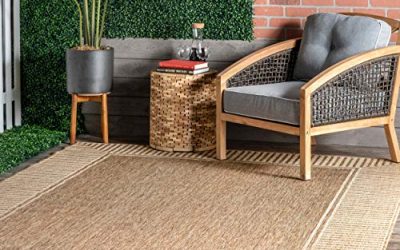
Anchoring is easier when the rug itself is built for the outdoors. A flat-woven, reversible polypropylene rug like the MontVoo 5×8 waterproof outdoor rug sheds water and dries fast, so it never traps moisture against the boards. Coastal flat-weaves such as the Rugs.com Outdoor Coastal runner also lie close to the deck, giving the wind less of a lip to grab. Heavy, plush rugs hold water, grow mildew, and are far harder to keep flat.
Method 1: Deck Screws and Stakes Through the Boards
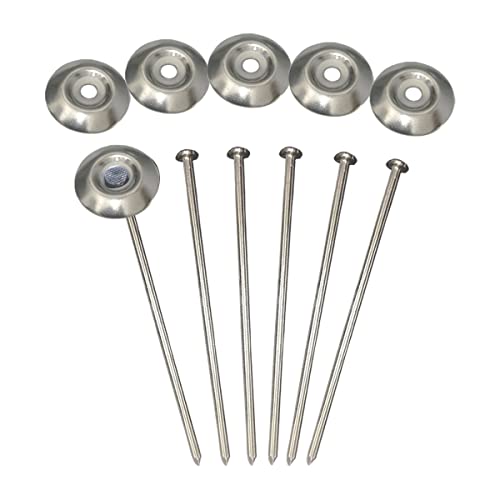
For a wood deck, the most permanent fix is fastening the corners directly to the planks. Stainless steel outdoor rug stakes, like the 6-count 8-inch set, push through the weave and into the gaps or pilot holes you drill, holding the rug taut in even strong wind. Use one at each corner and one at the midpoint of long edges. Choose stainless or coated hardware so it will not rust and stain the boards.
Method 2: Tie-Downs and Carabiners for Railings
If you would rather not put holes in the rug, anchor it to the deck railing instead. Aluminum deck tie-down anchors with carabiners, such as the XINCAMPING 7075 set, let you clip a loop of cord or webbing from the rug corner grommet to the railing base. This method is fully reversible, ideal for renters, and lets you roll the rug up for storage without removing hardware.
Method 3: Grip Pad and Weighted Corners
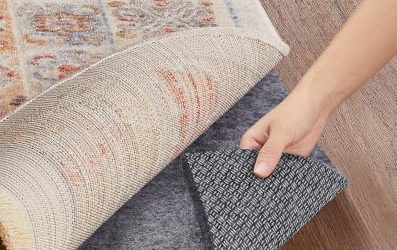
On composite decking where you cannot drive stakes, a non-slip outdoor rug pad rated for the elements adds friction between the rug and the boards. Pair it with weight at the corners, planters, a heavy side table, or the legs of your outdoor furniture set squarely on the rug, and the combination resists everyday sliding. A nautical-themed door mat like the Xiyurlk anchor mat can double as a weighted, high-traction landing at the top of the stairs.
Method 4: Outdoor Rug Tape for Composite Decks
Double-sided outdoor carpet tape offers a middle ground for composite or tile decks. Apply it to clean, dry boards along the rug’s perimeter. It holds firmly through a season but peels off without residue when you lift the rug for winter storage. Reapply fresh tape each spring, since UV and moisture degrade the adhesive over time.
Tips
- Sweep and dry the deck before anchoring; grit and moisture undermine every adhesive and grip method.
- Lift the rug after heavy rain to let both the rug and the boards air out and prevent mildew stains.
- Combine methods in exposed, windy spots, stakes plus a grip pad hold far better than either alone.
- Check stainless hardware, not zinc; cheap fasteners rust fast and leave brown streaks on the decking.
Frequently Asked Questions
How do I keep an outdoor rug from blowing away?
Anchor the corners with stainless steel stakes on wood decks, or clip tie-down anchors to the railing on composite decks. Adding a non-slip pad and weighting corners with furniture or planters gives extra hold in high wind.
Will stakes damage my deck boards?
Thin stainless stakes slip into the gaps between boards or into small pilot holes with minimal impact. If you want zero holes, use railing tie-downs or a grip pad with weighted corners instead.
Can I use an outdoor rug on a composite deck?
Yes, but choose a reversible, quick-drying flat-weave and lift it periodically to let the surface breathe. Composite rules out stakes, so anchor with outdoor rug tape, a non-slip pad, or railing tie-downs.
Should I leave my outdoor rug out all winter?
It is better to roll it up and store it. Snow and prolonged moisture accelerate mildew and fade even weatherproof rugs, and freeze-thaw cycles can trap water against the boards.
Conclusion
A deck rug only earns its place once it stays put. Match the anchoring method to your deck: stakes for wood, tie-downs or tape for composite, and a grip pad with weighted furniture as reliable backup anywhere. Start with a flat, reversible, quick-drying rug, secure every corner, and lift it to dry after storms. Do that, and your outdoor rug will hold its ground through a full season of wind, rain, and foot traffic.