Key takeaways
- Buying wall to wall by default. A 2 x 10 in a 10-foot hall looks like carpet that shrank. Leave at least 6 inches at each end unless the hall is wide.
- Ignoring nominal sizing. A “2 x 10” that measures 23 x 118 inches and a “2 x 10” that measures 26 x 122 inches both exist. Read the listing dimensions.
- Too wide for the hall. Less than 3 inches of floor per side makes the runner look like a mistake. Subtract 8 to 12 inches from the hallway width.
- Forgetting the door swing. A 0.6-inch-thick wool runner under a door with 0.4 inches of clearance will jam every time.
- Skipping the pad on hard floors. Without a pad or rubber backing, a 2 x 8 runner creeps 4 to 8 inches a week in a busy hall.
- Centering by eye. Measure the side gaps with a tape. A 1-inch difference is visible along a 10-foot length.
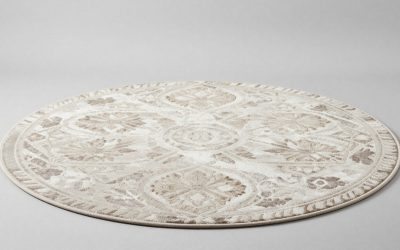
- Choosing a busy pattern for a narrow hall. Large medallions get cut off on a 24-inch width. Stripes running lengthwise or small repeats under 6 inches read better.
The Short Answer
For a hallway that measures 10 feet (120 inches, 305 cm) long, the standard answer is a 2 x 8 foot runner (24 x 96 inches, 61 x 244 cm), which leaves 12 inches of bare floor at each end. If you prefer a fuller look with only 6 inches showing at each end, a 2.5 x 9 or a 2 x 9 runner (roughly 30 x 108 inches or 24 x 108 inches) works well. A 2 x 10 runner (24 x 120 inches, 61 x 305 cm) fits wall to wall only if the hallway is a true 10 feet with no doorways at the ends; most people find it looks crammed and catches on door swings.
Width follows the hallway’s width. Aim for 4 to 6 inches (10 to 15 cm) of floor visible on each side. A 36-inch hallway takes a 24- to 27-inch runner; a 42-inch hallway takes a 30- to 32-inch runner; a 48-inch hallway can handle a 36-inch runner.
Our top picks


As an Amazon Associate we earn from qualifying purchases at no extra cost to you.
Standard Sizes
Runners come in a handful of stock sizes. The table shows how each fits a 120-inch hallway and what end gap you get.
| Runner size (ft) | Dimensions (in) | Dimensions (cm) | Gap at each end in a 10 ft hall | Best hallway width | Typical price |
|---|---|---|---|---|---|
| 2 x 6 | 24 x 72 | 61 x 183 | 24 in (61 cm) | 32 to 36 in | $20 to $45 |
| 2 x 7 | 24 x 84 | 61 x 213 | 18 in (46 cm) | 32 to 36 in | $22 to $50 |
| 2 x 8 | 24 x 96 | 61 x 244 | 12 in (30 cm) | 32 to 38 in | $25 to $70 |
| 2.5 x 8 | 30 x 96 | 76 x 244 | 12 in (30 cm) | 38 to 44 in | $30 to $85 |
| 2 x 9 | 24 x 108 | 61 x 274 | 6 in (15 cm) | 32 to 38 in | $28 to $75 |
| 2.5 x 9 | 30 x 108 | 76 x 274 | 6 in (15 cm) | 38 to 44 in | $35 to $95 |
| 2 x 10 | 24 x 120 | 61 x 305 | 0 in (wall to wall) | 32 to 38 in | $20 to $80 |
| 3 x 10 | 36 x 120 | 91 x 305 | 0 in (wall to wall) | 44 to 50 in | $30 to $110 |
| 2 x 12 | 24 x 144 | 61 x 366 | Too long (needs 13 ft hall) | n/a | $35 to $120 |
Note that “2 x 10” is a nominal size. Actual measurements vary by 1 to 3 inches, so a listed 2 x 10 washable runner (around $28 to $32) may be 23 x 118 inches, which does give you a hair of breathing room. Check the exact dimensions in the listing before assuming it fits wall to wall.
How to Measure Your Space
- Measure the full length. Run a tape from wall to wall along the floor, or from the edge of one door threshold to the other if the hallway ends in doorways. Record the number in inches.
- Measure the width at three points. Older homes are rarely square. Measure near each end and in the middle, and use the smallest number.
- Subtract the end gap you want. For a balanced look, leave 6 to 18 inches at each end. On a 120-inch hall, that means a runner between 84 and 108 inches long.
- Subtract the side gap. Take the narrowest width and subtract 8 to 12 inches total to leave 4 to 6 inches of floor per side. A 38-inch hallway gives you a 26- to 30-inch runner target.
- Mark door swings. Open every door along the hallway and note where the bottom edge sweeps. A rug thicker than about 0.4 inches (1 cm) will catch on doors with less than 0.5 inch of clearance.
- Check for vents and thresholds. Floor registers should stay uncovered, and a transition strip between rooms is a natural end point for the runner.
- Tape the outline. Lay painter’s tape on the floor in the final dimensions and live with it for a day. This catches proportion problems before you order.
By Room or Use Case
Narrow entry hallway (32 to 36 inches wide)
Use a 2 x 8 runner (24 x 96 inches). The 12-inch end gaps give a doormat zone at the front door and stop the rug from bunching against the threshold. Low pile under 0.3 inches (8 mm) with a rubber or latex backing handles wet shoes and slides less.
Standard bedroom hallway (36 to 42 inches wide)
A 2.5 x 8 or 2.5 x 9 runner (30 inches wide) fills the width nicely. If bedroom doors open into the hall, keep pile height under 0.5 inches (13 mm) and choose a rug that stops 2 to 3 inches short of any door swing.
Wide gallery hallway (44 to 50 inches wide)
A 3 x 10 runner (36 x 120 inches, about $30 to $110) or 3 x 9 suits the extra width. Here a wall-to-wall length can look intentional because the hall reads as a room rather than a corridor. A 6-inch gap at each end still looks cleaner.
Hallway with a turn or an L
Do not try to bend one runner. Use two runners that meet at the corner with a 2- to 4-inch gap, or one long runner for the main leg and a 2 x 3 or 2 x 4 accent at the turn. Match pattern scale rather than trying to match pattern exactly.
High-traffic family hallway
Machine-washable runners in 2 x 8 or 2 x 10, typically $20 to $35, are the practical pick. Most are 0.2 to 0.3 inches thick and fit in a standard home washer up to 3 x 10. Add a rug pad trimmed 1 inch smaller on all sides if the backing is not rubber.
Kitchen galley
Use the same math but leave 6 to 8 inches of side clearance so cabinet doors and the dishwasher door clear the edge. A 2 x 6 or 2 x 8 in front of the sink-to-stove run is more common than a full 10-foot runner.
Common Sizing Mistakes
- Buying wall to wall by default. A 2 x 10 in a 10-foot hall looks like carpet that shrank. Leave at least 6 inches at each end unless the hall is wide.
- Ignoring nominal sizing. A “2 x 10” that measures 23 x 118 inches and a “2 x 10” that measures 26 x 122 inches both exist. Read the listing dimensions.
- Too wide for the hall. Less than 3 inches of floor per side makes the runner look like a mistake. Subtract 8 to 12 inches from the hallway width.
- Forgetting the door swing. A 0.6-inch-thick wool runner under a door with 0.4 inches of clearance will jam every time.
- Skipping the pad on hard floors. Without a pad or rubber backing, a 2 x 8 runner creeps 4 to 8 inches a week in a busy hall.
- Centering by eye. Measure the side gaps with a tape. A 1-inch difference is visible along a 10-foot length.
- Choosing a busy pattern for a narrow hall. Large medallions get cut off on a 24-inch width. Stripes running lengthwise or small repeats under 6 inches read better.
FAQ
Should a runner go all the way down the hallway?
Not usually. Leaving 6 to 18 inches (15 to 46 cm) of floor at each end frames the rug and keeps it clear of thresholds and door swings. Wall-to-wall only works in wide halls over 44 inches where the space feels like a room.
What width runner for a 3-foot-wide hallway?
A 36-inch hallway takes a 24- to 27-inch runner, leaving 4.5 to 6 inches of floor on each side. Standard 2-foot runners are the easiest fit; anything 30 inches or wider will look crowded.
Is 2 x 8 or 2 x 10 better for a 10-foot hallway?
A 2 x 8 (24 x 96 inches) is the safer choice for a typical 32- to 38-inch-wide hall because the 12-inch end gaps look balanced and clear doorways. Choose 2 x 10 only if the hall is wider than 44 inches, has no doors at the ends, and you specifically want a full-coverage look.
How thick should a hallway runner be?
Keep total thickness, rug plus pad, under 0.5 inches (13 mm) where doors swing over it, and under 0.75 inches elsewhere. Washable runners run 0.2 to 0.3 inches; hand-knotted wool runs 0.4 to 0.6 inches. In 2026 most washable options include a built-in non-slip backing, so you can skip the pad and keep the profile thin.