Key takeaways
- Measure the underside of every cabinet separately; filler panels and corner units often need shorter fixtures.
- Use one continuous color temperature throughout the kitchen to avoid a patchwork effect.
- Test brightness at night before final installation, when glare and reflections are most noticeable.
- For a polished look, connect lights to the same smart plug or wall switch rather than operating several controls.
What's inside
Under-cabinet lighting is one of those small upgrades that can make a kitchen feel significantly more considered. It brightens work surfaces, softens the room in the evening, and helps wall cabinets appear to float rather than loom over the counter. For an interior enthusiast, it is also a chance to add warmth, rhythm, and a discreet layer of light without committing to a major renovation.
This guide explains how to choose the best under-cabinet lighting for your space in 2026, from rechargeable magnetic bars to permanent strip-light systems. We’ll look at brightness, color temperature, controls, installation, battery life, and the visual details that separate useful task lighting from harsh countertop glare.
As an Amazon Associate we earn from qualifying purchases.


What Is Best Under Cabinet Lighting (2026)
🛒 Best Price Today on Amazon
Prime members get fast, free shipping on everything above, plus member-only deals. New members get a 30-day free trial — cancel anytime.
Choose the right type for your kitchen
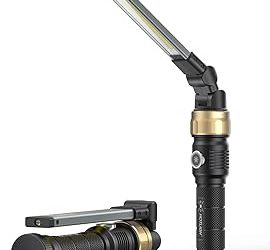
There are three main formats: rechargeable light bars, plug-in strip systems, and hardwired fixtures. Rechargeable bars are the easiest choice for renters or anyone avoiding visible cables. Models such as the MCGOR 10-inch Under Cabinet Lighting and the Gritin 10.2-inch Under Cabinet Lighting attach magnetically, so they can be removed for charging and repositioned as your layout changes. They work particularly well beneath open shelving, in pantries, and in areas used only occasionally.
Plug-in and hardwired systems are better for a kitchen that needs dependable daily illumination. A strip kit gives a more continuous wash of light across several cabinets, while individual bars can create noticeable bright and dark patches. If you are planning a remodel, hardwired lighting with a wall switch offers the cleanest finish. For an existing kitchen, choose a system with a slim power cable and plan its route before sticking anything in place.
Prioritize useful brightness, not maximum brightness
Brightness is usually listed in lumens. For gentle accent lighting, a modest output is sufficient; for chopping, washing, and reading recipes, you will want a stronger, evenly distributed beam. A multi-bar system such as the WOBANE Under Cabinet LED Lighting Kit provides broad coverage across a run of cabinets, while the six-bar 12-inch Under Cabinet LED Lighting Kit is designed for a more powerful, task-focused setup.
Diffusion matters as much as the lumen figure. Bare LED points can look spotty and create distracting reflections on polished stone. Frosted covers or diffused strips produce a smoother line of light. Position fixtures toward the front half of the cabinet underside, rather than directly against the backsplash, so the counter is illuminated without putting the light source in your eye line.
Get the color temperature right
Color temperature determines whether the kitchen feels cozy, crisp, or slightly clinical. Around 2700K gives a warm, furniture-friendly glow that suits timber cabinetry, brass hardware, and traditional kitchens. Around 3000K is a flexible middle ground for most contemporary spaces. Cooler settings can make white worktops look cleaner, but they may feel stark in the evening.
Adjustable products are especially useful if your kitchen serves several purposes. The Gritin and RUIKORING 8.5-inch six-pack offer multiple color temperatures, allowing brighter, neutral light during food preparation and warmer light when the room becomes part of the living space. If you are matching existing ceiling fixtures, compare the stated temperature rather than relying on product photographs.
Decide which controls suit your routine
Motion sensors are convenient in pantries, utility areas, and kitchens where you often approach with full hands. They are less ideal beside a main preparation zone if the lights switch off while you are standing still. Look for adjustable sensor behavior, or choose a manual button when reliability matters more than automation.
Remote controls, touch switches, and dimming are valuable for layered lighting. The WOBANE kit includes remote operation and timing functions, which can be useful when the lights are installed across a long counter. A power display, as found on some rechargeable three-pack designs, reduces the guesswork around charging. For decorative use, dimming is almost essential: full brightness may be practical for cooking but too intense for a late-night drink.
Check installation, charging, and finish details
Magnetic mounting is the most flexible option, but confirm whether the magnetic plates use adhesive and whether replacement adhesive is available. Clean the underside of the cabinet with a suitable degreaser, allow it to dry fully, and test the position before permanently fixing the plates. Leave enough clearance to remove each bar for charging.
Battery-powered lights are simplest to install, though charging frequency depends on brightness, sensor activity, and battery capacity. For a frequently used kitchen, plug-in power is usually less frustrating over time. Also consider the visible finish: white fixtures blend into pale cabinetry, while black or metallic housings can look intentional beneath darker units. Conceal adapters inside an adjacent cabinet where possible, but never pinch cables against hinges or hot appliances.
Tips
- Measure the underside of every cabinet separately; filler panels and corner units often need shorter fixtures.
- Use one continuous color temperature throughout the kitchen to avoid a patchwork effect.
- Test brightness at night before final installation, when glare and reflections are most noticeable.
- For a polished look, connect lights to the same smart plug or wall switch rather than operating several controls.
Frequently Asked Questions
Are rechargeable under-cabinet lights good enough for a kitchen?
Yes, especially for modest runs, occasional cooking, renters, and areas where wiring would be disruptive. They are quick to install and easy to reposition. For a large, heavily used kitchen, a plug-in or hardwired system is usually more convenient because it avoids regular charging.
What color temperature is best under kitchen cabinets?
Choose approximately 2700K for a warm, welcoming atmosphere or around 3000K for a balanced combination of comfort and task visibility. Adjustable three-color systems are a practical choice if you want the kitchen to shift from work mode to evening ambiance.
How many lumens do I need?
The ideal amount depends on cabinet length, counter color, and the fixture’s diffusion. Aim for even coverage rather than simply choosing the highest number. Dark worktops may benefit from more output, while glossy pale surfaces often need less to prevent glare.
Can under-cabinet lighting be installed without drilling?
Many rechargeable bars use magnetic mounts with adhesive-backed plates, so drilling is unnecessary. Adhesive performance is best on clean, smooth surfaces. Heavy plug-in components and permanent systems may still need clips, screws, or a carefully concealed cable route.
Conclusion
The best under-cabinet lighting balances practical brightness with the atmosphere you want your kitchen to have. Choose rechargeable magnetic bars for flexibility, a strip kit for seamless coverage, and hardwired lighting for the most integrated result. Pay close attention to diffusion, color temperature, controls, and cable management, and the finished installation will feel like part of the room’s architecture rather than an afterthought.