Walk through any well-styled living room and you’ll notice the same quiet truth: the rug anchors everything. Texture, color, warmth — it all lives underfoot. But a carpet that looks gorgeous on move-in day can turn dull, matted, and stained faster than most homeowners expect. Regular vacuuming handles surface dust; it doesn’t touch the embedded grime that dulls fibers and kills that just-laid look. That gap is exactly why a dedicated carpet cleaner earns its spot in the utility closet.
This guide breaks down what actually matters when you’re shopping — suction power, brush design, solution chemistry, and size — then pairs those factors with six standout machines and products for 2026. Whether you’re maintaining a plush living-room sectional or rescuing a beloved hallway runner, you’ll walk away knowing which setup fits your space, your stains, and your budget.
Our top picks

 Resolve Professional Strength Spot and Stain Carpet
- Professional Strength Formula: Designed to tackle the toughest…
- Ideal for Spot Cleaning: Perfect for high-traffic areas,…
- Fast-Acting Performance: Penetrates deep into fibers to lift…


As an Amazon Associate we earn from qualifying purchases at no extra cost to you.
🛒 Best Price Today on Amazon
Prime members get fast, free shipping on everything above, plus member-only deals. New members get a 30-day free trial — cancel anytime.
Match the Machine to Your Carpet Type
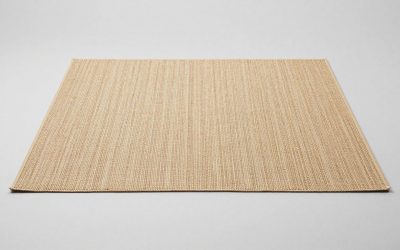
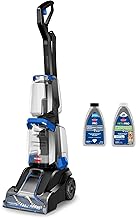
Not every carpet is built the same, and the cleaner you choose should respect the material you own. Loop-pile rugs — think Berber or sisal — need gentler agitation because aggressive bristles can snag loops and pull threads. Cut-pile carpets like plush or frieze handle more vigorous brushing, which helps dislodge trapped dirt near the backing. A machine like the BISSELL TurboClean Upright Carpet Cleaner, OXY Formula, 3952 ships with Pro Max Clean & Protect solution and Oxy Urine Eliminator, making it a strong match for households dealing with pet accidents on standard cut-pile wall-to-wall. If your space leans toward natural fiber area rugs, test any machine on a hidden corner first — moisture sensitivity varies widely.
Understand Brush Systems and Suction
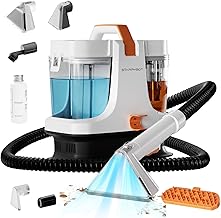
Two engineering choices separate a deep clean from a surface wipe: the brush mechanism and the suction motor. SpinScrub technology, found on the Hoover PowerScrub Deluxe Carpet Cleaner Machine, uses multiple rotating brushes that attack stains from different angles simultaneously. Pair that with HeatForce drying — which blows heated air back into the carpet — and you cut dry time dramatically. On the suction side, look for a rating above 15Kpa if portability matters. The Starrybot Upholstery Cleaner Machine hits 18Kpa in a compact, carry-along body, making it ideal for spot-treating upholstery, car interiors, and stubborn pet stains on smaller rugs. For full-room deep cleans, the BISSELL ProHeat 2X Revolution Pet Pro Plus Carpet Cleaner, 3588F combines dual Dirt Lifter Powerbrushes with a hose-and-tool attachment so you can transition from floor to furniture without switching machines.
Choose the Right Cleaning Solution
Even the best hardware underperforms with a mediocre formula. Solutions are engineered for specific soil types — protein-based pet stains, grease, or general dinginess — and the wrong match can leave residue that actually attracts more dirt. Resolve Professional Strength Spot and Stain Carpet Cleaner tackles tough, set-in spots and works well as a targeted treatment between full-machine sessions. It’s a 32 Fl Oz concentrate, so a single bottle stretches across dozens of treatments. For whole-room shampooing, manufacturers design their own solutions to work in tandem with their brush systems; following the brand recommendation avoids foaming issues or warranty complications.
Decide Between Upright and Portable
An upright deep cleaner covers large square footage efficiently but demands storage space — roughly the footprint of a standard vacuum. If your home features mostly hard floors with just a few rugs, a portable extractor makes more practical and financial sense. The BISSELL Little Green Multi-Purpose Portable Carpet Cleaner, 1400B handles upholstery, car detailing, and spot cleaning across multiple surfaces with specialty tools included. It tucks into a closet shelf and weighs enough less than an upright that hauling it upstairs feels effortless. The Starrybot Upholstery Cleaner Machine offers a similar grab-and-go philosophy with the added punch of 18Kpa suction for deeper extraction on sofas and car seats. Reserve upright models — like the Hoover PowerScrub Deluxe — for homes where wall-to-wall carpet dominates two or more rooms.
Factor in Drying Time and Maintenance
A freshly cleaned carpet that stays damp for 24 hours invites mildew and disrupts daily life. HeatForce and heated-water systems accelerate evaporation, but ambient airflow matters just as much. Open windows or run a ceiling fan while the carpet dries. After each session, rinse the dirty-water tank thoroughly and let components air-dry before reassembling — a two-minute habit that prevents odors and extends motor life. Machines with removable brush rolls, like the BISSELL ProHeat 2X Revolution Pet Pro Plus, simplify this routine considerably.
Tips
- Pre-treat stains 10–15 minutes before a full pass. Spot application gives the solution time to break down the bond between the stain and the fiber, which means the machine lifts more in fewer strokes.
- Work in slow, overlapping passes. Rushing leaves behind soap residue and moisture. Let the machine’s brushes and suction do the work at half your natural walking pace.
- Keep a rescue bottle on hand. A product like Resolve Professional Strength handles emergencies — spilled wine at a dinner party, a muddy paw print after a rainstorm — without dragging out the full machine.
- Rotate your rug schedule. Deep-clean high-traffic areas every three to four months and lighter-use rooms once or twice a year. Consistent maintenance preserves pile height and color far longer than infrequent marathon sessions.
Frequently Asked Questions
How often should I deep-clean my carpets?
Households with pets or allergy sufferers benefit from a thorough deep clean every three months. Homes without heavy traffic or animals can typically go six to twelve months between sessions, using spot treatments to bridge the gap.
Can I use a carpet cleaner on area rugs with rubber backing?
Proceed with caution. Excess moisture can loosen adhesive on rubber-backed rugs and cause curling at the edges. Use a portable spot cleaner with controlled water output — like the BISSELL Little Green — rather than flooding the surface with an upright machine.
Do I need to vacuum before carpet cleaning?
Yes, always. Vacuuming removes loose grit and hair that would otherwise turn into mud once the cleaning solution hits the carpet. A quick pass with a standard vacuum takes two minutes and dramatically improves your cleaner’s effectiveness.
Are store-bought solutions safe for pets?
Most major brands formulate pet-safe solutions, but always check the label and allow the carpet to dry completely before letting animals back into the room. Keeping pets off the surface until it’s fully dry prevents both skin irritation and re-soiling.
Conclusion
A carpet cleaner isn’t a luxury purchase — it’s the single tool that keeps one of your home’s most visible surfaces looking intentional rather than neglected. Match the machine to your carpet material, invest in the right solution, and build a simple maintenance rhythm. The upfront decision pays dividends every time you sink your toes into a carpet that actually feels as good as it looks.