Key takeaways
- Rocks glasses: useful for Old Fashioned-style drinks, juice, and water.
- Wine glasses: suitable for red, white, and sparkling wine when storage is limited.
- Tall glasses: best for spritzes, sodas, iced tea, and highballs.
- Small plates: provide one per guest, plus 10–20 percent extra.
- Napkins: allow three or four cocktail napkins per guest.
- Bar tools: include a jigger, shaker, strainer, bottle opener, corkscrew, ice scoop, and citrus knife.
To host a cocktail party successfully, plan for one drink-serving station, about 8–10 bite-sized food portions per guest, 2–3 glasses per person, and enough clear space for guests to stand and circulate comfortably.
How to Host a Cocktail Party: The Complete Guide
A cocktail party is usually more relaxed than a seated dinner, but it still needs careful planning. Guests should be able to reach drinks without crossing the entire room, find food without crowding the kitchen, and set down a glass near every seating area. Your furniture layout matters as much as your menu.
1. Choose the Guest Count Before Planning the Room
Begin with the number of people you can accommodate comfortably rather than the maximum number who can fit through the door. For a standing cocktail party, allow approximately 8–10 square feet of usable floor area per guest after excluding kitchens, bathrooms, large furniture, and other blocked zones.
| Guest count | Comfortable usable area | Recommended furniture arrangement |
|---|---|---|
| 6–8 guests | 80–120 sq. ft. | One drinks station, one small food surface, 2–4 seats |
| 10–15 guests | 140–200 sq. ft. | Separate drink and food stations, several occasional seats |
| 16–25 guests | 220–350 sq. ft. | Two drink access points or a long bar, multiple food surfaces |
| 26–40 guests | 360–550 sq. ft. | Distributed stations, clear circulation lanes, limited seating |
In a 10-by-12-foot room, an event for 6–8 people is usually comfortable if you remove unnecessary side tables and push large furniture against the walls. Keep at least 36 inches of walking clearance on the main route, and aim for 42–48 inches where guests will queue for drinks or food.
Small apartment adjustment
For a small apartment, invite fewer people and use vertical surfaces. A narrow console table 12–16 inches deep can hold bottles and mixers without consuming the room. Avoid placing a drink station directly beside the entrance, where arriving guests will create a bottleneck.
2. Calculate Drinks Without Overbuying
For a party lasting two to three hours, plan on two drinks per guest during the first hour and approximately one drink per guest for each additional hour. A standard 750 ml bottle of wine provides about five 5-ounce servings. A 750 ml bottle of spirits provides roughly 16–17 standard 1.5-ounce pours, although cocktails use different amounts depending on the recipe.
| Party size | Two-hour drink estimate | Wine equivalent | Still and sparkling water |
|---|---|---|---|
| 8 guests | About 24 drinks | 5 bottles | At least 1 gallon total |
| 12 guests | About 36 drinks | 7–8 bottles | 1.5 gallons total |
| 20 guests | About 60 drinks | 12 bottles | 2.5 gallons total |
| 30 guests | About 90 drinks | 18 bottles | At least 4 gallons total |
Offer a simple choice of one signature cocktail, wine or beer, and a substantial nonalcoholic drink. Limiting the cocktail menu reduces queues and makes shopping easier. For a signature cocktail, pre-batch the non-carbonated ingredients and add ice or sparkling components just before serving.
Keep a separate supply of ice for chilling bottles and serving drinks. A useful starting point is 1–1.5 pounds of ice per guest for a two-hour gathering, with more required for warm weather or drinks served over ice.
3. Select Glassware and Serving Equipment
You do not need a different glass for every drink. For most home parties, use durable rocks glasses for spirit-based cocktails, wine glasses for wine, and tall glasses for highballs or nonalcoholic drinks. Plan on two glasses per guest if you have a dishwasher available, or three per guest if washing during the event is impractical.
- Rocks glasses: useful for Old Fashioned-style drinks, juice, and water.
- Wine glasses: suitable for red, white, and sparkling wine when storage is limited.
- Tall glasses: best for spritzes, sodas, iced tea, and highballs.
- Small plates: provide one per guest, plus 10–20 percent extra.
- Napkins: allow three or four cocktail napkins per guest.
- Bar tools: include a jigger, shaker, strainer, bottle opener, corkscrew, ice scoop, and citrus knife.
Choose shatter-resistant acrylic or tempered glass when children, pets, outdoor use, or crowded rooms are concerns. Lightweight glassware is easier to move, while heavier glasses feel more stable but increase the risk of overloaded trays and tired hands.
4. Plan Food Portions and the Food Station
For a cocktail party without a full meal, serve approximately 8–10 bite-sized pieces per guest for a two-hour event and 12–15 pieces per guest for a three-hour event. If the party overlaps dinner, increase the amount and include at least one filling option such as sliders, savory pastries, substantial skewers, or a grain-based salad.
| Food category | Per-person guide | Examples |
|---|---|---|
| Light snacks | 1–2 ounces | Nuts, olives, popcorn, vegetable crisps |
| Cold canapés | 3–4 pieces | Crostini, stuffed vegetables, shrimp cups |
| Hot bites | 3–4 pieces | Mini pastries, meatballs, skewers |
| Filling food | 2–4 pieces | Sliders, tartlets, wraps, substantial sandwiches |
Use a table 30–36 inches high for comfortable standing service. A dining table can work, but it may encourage guests to sit and block circulation. Place food on one end and plates, napkins, and utensils at the other so guests move in one direction.
5. Create Four Practical Setup Zones
Drinks zone
Place the drinks station on a stable console, bar cabinet, kitchen island, or folding table. Allow at least 24 inches of usable counter width for every 8–10 guests. Keep bottles toward the back, glasses at one end, and ice, garnishes, and waste containers within reach.
Food zone
Keep food separate from drinks whenever possible. This prevents guests from stopping in one place to build a plate and prepare a cocktail. Use serving platters with low rims and provide small tongs or picks for every dish.
Seating zone
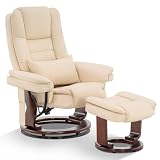
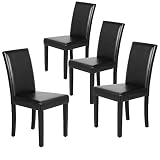
A cocktail party still benefits from seating for approximately 25–40 percent of the guest count. Use occasional chairs, a compact sofa, a bench, or upholstered dining chairs. Leave 18 inches of knee and leg space in front of seated furniture, and keep at least 30 inches between a coffee table and seating for comfortable movement.
Landing and cleanup zone
Provide visible places for used glasses, plates, and napkins. A slim utility cart or lidded wastebasket near—but not beside—the food station can prevent clutter. Protect wood furniture with coasters and trays, and avoid placing hot serving dishes directly on veneer, laminate, or upholstered surfaces.
6. Choose Furniture for Your Situation
| Your situation | Best furniture choice | What to check before buying or using it |
|---|---|---|
| Small apartment | Foldable table, slim console, nesting stools | Closed depth under 16 inches and storage that does not block the entry path |
| Children or pets | Rounded-edge tables and wipe-clean upholstery | Stable base, non-tip construction, stain-resistant fabric, no loose glass shelves |
| Renter | Freestanding bar cart or folding serving table | Light enough to move, tool-free setup, no wall mounting required |
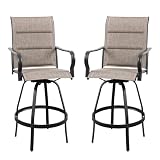
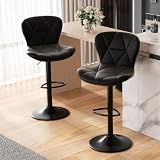
| Guests with back pain | Supportive chairs with arms and a seat height of 17–19 inches | Firm cushioning, upright back support, and clear access without low stools |
| Frequent entertaining | Solid console, rolling cart, or commercial-style folding table | Locking casters, sealed surface, replaceable hardware, and a stated weight capacity |
For serving furniture, a weight capacity of at least 50–75 pounds is a sensible minimum. Distribute weight rather than placing a full beverage case on one shelf. A loaded 750 ml bottle weighs close to 2 pounds, so twelve bottles can add roughly 24 pounds before ice, glassware, and equipment are included.
7. Follow a Low-Stress Hosting Timeline
- One week before: confirm the guest count, choose the drink menu, check glassware, and decide which furniture will be moved.
- Two days before: buy shelf-stable food, beverages, napkins, ice supplies, and nonalcoholic options. Wash serving pieces.
- The day before: prepare sauces, garnishes, batched cocktail ingredients, and chilled food. Label platters if several dishes look similar.
- Three hours before: clear walkways, position furniture, protect surfaces, and chill drinks.
- One hour before: set out glasses, plates, napkins, tools, water, and room-temperature food. Keep perishable items refrigerated.
- Thirty minutes before: add ice, finish garnishes, place the first food platters, and start the nonalcoholic drink station.
- During the party: refresh food in smaller batches, remove used glassware periodically, and replenish water before alcohol.
- Afterward: move leftovers into shallow containers, empty standing water from trays, and wipe furniture promptly to prevent rings and stains.
Final Checklist
Before guests arrive, verify that the main route is at least 36 inches wide, every guest can reach water, food and drinks are separated, seating is stable, glassware is sufficient, and furniture shelves are not overloaded. A well-planned cocktail party does not require a dedicated home bar; it requires sensible quantities, clear zones, durable surfaces, and enough room for people to move naturally.