Key takeaways
- Clean teak on a cool, cloudy day when possible; rapid drying in strong sun can leave streaks.
- Use separate brushes for the wood and for mildew-prone areas so you do not spread grime across the furniture.
- Test cleaner, brightener, oil, or sealer beneath the tabletop or on the back of a leg first.
- Use a breathable furniture cover during long periods of bad weather, but allow the teak to dry before covering it.
What's inside
Teak patio furniture is prized for its warm grain, weather resistance, and ability to age beautifully outdoors—but even this durable hardwood needs thoughtful care. Dirt, pollen, food spills, mildew, and uneven exposure can leave the surface dull or patchy, while the wrong cleaner or an overly aggressive scrub can damage the grain.
This guide explains the best way to clean teak patio furniture in 2026, from choosing a suitable cleaner to deciding whether to leave the wood natural or apply oil or sealer. You’ll learn a gentle cleaning routine, how to handle weathered teak, and which care products are worth considering for different maintenance goals.
As an Amazon Associate we earn from qualifying purchases.



🛒 Best Price Today on Amazon
Prime members get fast, free shipping on everything above, plus member-only deals. New members get a 30-day free trial — cancel anytime.
Start by Identifying Your Teak’s Finish
Before reaching for a cleaner, determine whether your furniture is unfinished, oiled, sealed, or painted. Natural teak gradually develops a silvery-gray patina as it weathers. That change is cosmetic rather than a sign that the wood is failing, and many interior-styling enthusiasts prefer it for its relaxed, coastal character.
If you want to restore the original honey-brown tone, you’ll usually need a teak cleaner and brightener. Oiled furniture may need more regular maintenance, while sealed teak should be cleaned according to the sealer manufacturer’s instructions. If you are unsure, test any product on an inconspicuous area first.
How to Clean Teak Patio Furniture
- Remove loose debris. Brush away leaves, grit, and cobwebs with a soft-bristle brush. Take off cushions and accessories, and clean them separately.
- Rinse lightly. Use a garden hose or a bucket of clean water. Avoid a concentrated pressure-washer stream, which can roughen the surface and open the grain.
- Apply a teak-safe cleaner. Follow the label’s dilution and dwell-time instructions. Products such as Furniture Clinic Teak Cleaner are designed to lift outdoor dirt and stains from teak and other wood surfaces.
- Scrub with the grain. Work in manageable sections using a soft or medium nylon brush. Let the cleaner do most of the work rather than pressing hard.
- Rinse thoroughly. Residue left in the grain can create a cloudy appearance or interfere with a later oil or sealer application.
- Dry completely. Allow the furniture to dry in a well-ventilated, shaded spot before assessing the result. Teak can look uneven while it is still damp.
Choosing a Cleaner for Weathered or Neglected Teak
For routine maintenance, choose a product labeled specifically for teak or outdoor hardwood. A cleaner should remove surface grime without stripping the wood aggressively. For furniture that has been left outside for a long time, a cleaner-restorer may be more useful than a basic wash. Bayes High Performance Teak Cleaner & Restorer is one option aimed at cleaning, brightening, and refreshing neglected teak.
For larger sets or a coordinated maintenance routine, the Furniture Clinic Teak Care Kit combines cleaner, brightener, and oil. Using products from one system can make the sequence easier to follow, although you should still read each label and avoid mixing formulas. STAR BRITE Premium Outdoor Teak Cleaner is another established option for outdoor teak care.
Should You Oil or Seal Teak?
Oil is optional. It can deepen the brown color and give freshly cleaned teak a richer appearance, but it does not make the furniture maintenance-free. In outdoor conditions, oiled teak may require regular reapplication and can attract dust if too much product is used. Apply only to clean, fully dry wood, and wipe away excess oil so the surface is not tacky.
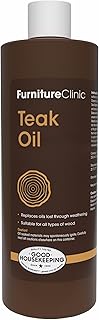
Furniture Clinic Teak Oil is formulated for indoor and outdoor wood and offers a natural matte finish. A sealer may be preferable if your priority is preserving a more consistent color with less frequent touch-up, but products differ in appearance and durability. The EcoDecors Teak Cleaner & Teak Sealer Kit is designed for teak furniture and other hardwood surfaces, including garden furniture and shower benches. Always confirm that the product is suitable for your specific finish and climate.
What to Avoid When Cleaning Teak
Skip chlorine bleach, harsh household degreasers, steel wool, and abrasive scouring pads. These can discolor teak, leave metal particles behind, or create scratches that collect grime. Do not sand simply because the wood has turned gray; sand only when you are intentionally restoring the surface and are prepared to remove the weathered outer layer evenly. If sanding is necessary, use fine-grit paper and work with the grain after the furniture is clean and dry.
Tips
- Clean teak on a cool, cloudy day when possible; rapid drying in strong sun can leave streaks.
- Use separate brushes for the wood and for mildew-prone areas so you do not spread grime across the furniture.
- Test cleaner, brightener, oil, or sealer beneath the tabletop or on the back of a leg first.
- Use a breathable furniture cover during long periods of bad weather, but allow the teak to dry before covering it.
Frequently Asked Questions
How often should teak patio furniture be cleaned?
A light wash once or twice a year is usually enough for well-maintained furniture, with additional spot cleaning when spills or bird droppings occur. Furniture beneath trees or in a damp climate may need more frequent attention.
Can I use a pressure washer on teak?
It is safer to avoid pressure washing or to use only very low pressure from a generous distance. A strong, narrow jet can damage the soft areas of the grain and leave the surface fuzzy or uneven. A hose and soft brush provide better control.
How do I remove mildew from teak?
Start with a teak-safe cleaner and gentle brushing. For persistent mildew, use a product specifically labeled for outdoor wood and follow its safety directions. Avoid relying on undiluted bleach, which can discolor teak and harm nearby plants or finishes.
Why does my teak look blotchy after cleaning?
Blotchiness may result from uneven weathering, leftover cleaner, moisture, or patches of old oil. Let the furniture dry fully, rinse again if residue is possible, and judge the color in natural light. A complete, even cleaning is usually more effective than treating only the darkest areas.
Conclusion
The best way to clean teak patio furniture is gentle and methodical: remove debris, use a teak-safe cleaner, scrub with the grain, rinse thoroughly, and let the wood dry completely. Whether you embrace a silver-gray patina or prefer warm honey tones, consistent care will keep the furniture inviting, comfortable, and stylish for many outdoor seasons.