Key takeaways
- Use white towels so dye cannot transfer and you can see how much moisture or soil is being lifted.
- Always test a stain product on a hidden edge before applying it to the sleeping surface.
- Vacuum seams with patience; dust and hair collect where the cover meets the foam.
- Photograph significant spills before cleaning if the mattress is under warranty or covered by insurance.
What's inside
A memory foam mattress can make a bedroom feel wonderfully tailored—supportive, quiet, and neatly finished beneath crisp bedding—but its dense structure also holds onto dust, skin oils, perspiration, pet hair, and accidental spills. Unlike a spring mattress, it should not be soaked or aggressively scrubbed. The goal is a careful refresh that lifts debris, treats marks locally, and dries the foam completely.
This guide explains the best way to clean a memory foam mattress in 2026, from preparation and vacuuming to stain treatment, deodorizing, drying, and routine care. You’ll also find practical advice on choosing a mattress vacuum, enzyme cleaner, or upholstery spray without turning a manageable chore into a damp-mattress problem.
As an Amazon Associate we earn from qualifying purchases.




🛒 Best Price Today on Amazon
Prime members get fast, free shipping on everything above, plus member-only deals. New members get a 30-day free trial — cancel anytime.
1. Read the Care Instructions First
Before removing the sheets, check the mattress label and the manufacturer’s care guide. Some covers are machine washable, while others should only be spot-cleaned. If your mattress has a removable cover, unzip it carefully and wash it exactly as directed; using excessive heat can shrink the fabric and make it difficult to replace.
Memory foam itself should not go in a washing machine, be steam-cleaned, or be saturated with water. Avoid bleach, harsh solvents, and heavily perfumed products that may irritate sensitive sleepers. If the mattress has a warranty, stay within the recommended cleaning methods, since moisture damage or unapproved chemicals may affect coverage.
2. Strip, Air, and Vacuum the Mattress
Remove all bedding, including the protector, and wash it separately. Open a window if weather permits, then let the bare mattress air for 20 to 30 minutes. This gives surface moisture a chance to evaporate and makes dust easier to remove.
Vacuum slowly across the top, sides, seams, and corners using an upholstery attachment. A dedicated machine can be useful for bedrooms with pets, allergies, or a lot of lint. The Teant Mattress Bed Vacuum Cleaner combines strong suction with tapping, a HEPA filter, heat, and UV-C features. The CFBF Mattress Bed Vacuum Cleaner and FEPPO Mattress Vacuum Cleaner offer similar handheld, corded formats with suction, filtration, heat, and UV-C functions.
Use these machines as dust-and-debris tools rather than as a substitute for washing or disinfecting. Keep the nozzle moving, empty the dust container promptly, and follow the manufacturer’s instructions for filters and UV-C safety. Never use UV-C equipment around exposed eyes or skin, children, or pets, and do not assume a brief pass makes the mattress sterile.
3. Treat Stains Without Soaking the Foam
Act quickly, especially with drinks, perspiration, or pet accidents. Blot fresh liquid with clean white towels, pressing down rather than rubbing. Replace the towel as it becomes damp, and continue until you have removed as much moisture as possible.
For an organic stain or odor, a small amount of GEODE Mattress Cleaner & Deodorizer can be a sensible option because its natural enzyme formula is designed for stains and odors on fabric. Test any product on an inconspicuous area first. Apply it to a cloth or lightly mist the affected surface—never flood the mattress—and allow the recommended dwell time before blotting.
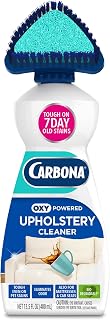
For a visible mark, Mattress Cleaner Foam Spray is a no-rinse option intended for mattresses and upholstery, while Carbona Oxy Powered Upholstery Cleaner includes a brush and sponge for controlled spot treatment. Use the least amount that works, avoid aggressive brushing, and do not layer multiple cleaners together. Chemical combinations can create unwanted fumes or leave a sticky residue.
4. Dry It Thoroughly
Drying is the step that protects both the foam and the room. After treatment, press the area with fresh towels, then stand the mattress on its side if it is safe to do so. Improve airflow with open windows and a fan aimed across—not directly into—the damp patch. A dehumidifier can help in a humid room.
Do not remake the bed until the mattress feels completely dry, including around seams and beneath the treated area. Depending on how much liquid was used, this may take several hours or longer. Avoid hair dryers, heaters, and high-temperature steam tools, which can damage foam, distort adhesives, or create uneven drying. If a spill has penetrated deeply or a strong odor remains after drying, a professional upholstery or mattress-cleaning service is safer than repeated wet treatments.
5. Finish With Prevention
Once the mattress is clean and dry, fit a breathable, washable mattress protector. Choose one that is waterproof if spills or nighttime accidents are a concern, but avoid a crinkly or poorly fitted style that undermines the comfort of the bed. Wash sheets weekly, launder the protector according to its label, and vacuum the mattress every one to three months—or more often if you share the bed with pets.
Rotate the mattress only if the manufacturer allows it; most memory foam mattresses are not designed to be flipped. Keep food and drinks away from the bed, trim pet claws before allowing animals onto it, and address small marks immediately. These habits preserve the clean, composed look of a well-styled bedroom far better than occasional intensive scrubbing.
Tips
- Use white towels so dye cannot transfer and you can see how much moisture or soil is being lifted.
- Always test a stain product on a hidden edge before applying it to the sleeping surface.
- Vacuum seams with patience; dust and hair collect where the cover meets the foam.
- Photograph significant spills before cleaning if the mattress is under warranty or covered by insurance.
Frequently Asked Questions
Can I steam-clean a memory foam mattress?
It is generally best to avoid steam-cleaning unless the mattress manufacturer specifically approves it. Steam introduces heat and moisture deep into dense foam, where it can be difficult to remove completely. Spot-clean with minimal liquid instead.
How do I remove urine odor from memory foam?
Blot the area immediately, apply a compatible enzyme cleaner sparingly, and blot again after the recommended contact time. Ventilate the room and allow the mattress to dry fully. Repeated soaking usually makes the problem worse by pushing moisture deeper.
Does baking soda clean a memory foam mattress?
Baking soda can help absorb light surface odors, but it does not remove embedded stains or sanitize the foam. Sprinkle a thin layer, leave it for several hours, and vacuum thoroughly. Keep it out of the mattress interior and away from damp areas.
How often should I deep-clean my mattress?
Vacuum every one to three months and spot-treat spills as soon as they happen. A broader refresh is usually needed once or twice a year, depending on allergies, pets, sweating, and whether you use a protective cover.
Conclusion
The best way to clean a memory foam mattress is gentle, targeted, and dry: follow the care label, vacuum thoroughly, treat only the affected area, and allow plenty of ventilation time. With a washable protector and regular light maintenance, your mattress can stay fresher for longer without sacrificing its shape, comfort, or the polished feel of your bedroom.