Key takeaways
- The best home decor store is the one whose style, quality level, return terms and delivery options match what a room actually needs.
The best home decor store is the one whose style, quality level, return terms and delivery options match what a room actually needs. Rather than chasing a single famous name, it helps to understand the kinds of stores that exist, what each does well and which questions to ask before ordering.
This guide sorts decor retailers by type, explains how to judge quality from product pages and in person, and offers a practical way to shop so that purchases look cohesive instead of random.
The Main Types of Home Decor Stores
Big-box and department stores
Large chains carry broad selections of pillows, frames, rugs, lighting, textiles and seasonal items in one place. They suit shoppers who want convenience, consistent sizing and straightforward returns. Quality ranges widely, so reading material details matters more than brand familiarity.
Home furnishing specialists
Stores dedicated to home goods often organize products by style, such as modern, farmhouse, coastal or traditional, and show complete room setups. They work well for people who want help coordinating colors and finishes. Their house brands tend to share a design language, which makes matching easier.
Online-only decor retailers
Web retailers offer the widest assortments and the easiest side-by-side comparison. They are strong for niche styles and hard-to-find sizes. The trade-off is that color, texture and scale are harder to judge on a screen, so clear dimensions, close-up photos and return policies become essential.
Marketplaces for independent makers
Handmade and small-batch sellers provide unique pieces such as ceramics, wall art and woven textiles. Each seller has different shipping times and policies, so reading seller descriptions and customer feedback is important.
Vintage, thrift and antique shops
Secondhand stores supply character, solid construction and lower environmental impact. They require patience and a willingness to refinish or clean items. Measuring in advance and carrying a swatch or paint chip helps avoid mismatches.
Local boutiques and design showrooms
Independent shops can offer curated, higher-quality or locally made items and personal advice. Selection is smaller and costs tend to be higher, but staff can often special-order pieces or suggest combinations.
Discount and off-price stores
Inventory changes frequently and prices are lower, which rewards frequent visits. These are good for accents like candles, baskets, vases and frames, though matching sets are less reliable.
What to Evaluate in Any Store
- Style clarity: A store whose catalog clearly matches the look you want saves time. Mixed-style stores require more editing.
- Material transparency: Product pages should list materials, dimensions, weight and care instructions. Vague descriptions suggest lower quality or careless listing.
- Photography: Look for images showing items in different lighting, from several angles and next to familiar objects for scale.
- Return policy: A reasonable window, clear shipping rules for bulky items and refund terms matter, especially for rugs, mirrors and lamps.
- Shipping and packaging: Fragile pieces such as glass, ceramics and mirrors should be protected, and the store should explain how damages are handled.
- Customer service: Responsive support signals that problems will be handled.
- Warranty on lighting and electronics: Lamps and fixtures should list safety certifications recognized in the region.
Judging Quality From the Product Page
Textiles
For pillow covers, curtains and throws, look at fiber content, weave and whether the item is lined. Linen, cotton and wool blends tend to hang and wear differently from polyester. Curtain panels should state width and length so they can be matched to window size, and rod pockets should suit the intended hardware.
Rugs
Check pile height, backing and fiber. Flat weaves work in high-traffic areas, while thicker pile is softer but needs more upkeep. A rug pad extends life and prevents slipping.
Wall art and frames
Confirm the frame material, whether glass or acrylic is used and the mat size. Prints should state paper type and print method. Canvas pieces should have sturdy stretcher bars to prevent warping.
Lighting
Check bulb type and socket, cord length and shade material. Matching color temperature across lamps in the same room creates a more unified look.
Mirrors and large items
Weight and mounting hardware are important. Heavy mirrors need anchors rated for the load, and packaging should reduce breakage risks.
A Smarter Way to Shop for Decor
- Define the palette: Choose two or three main colors and one accent. Keep a photo or paint chip handy.
- Measure everything: Wall widths, window sizes, rug zones and shelf depths prevent returns.
- Start with large items: Rugs, curtains and lighting set the tone; small accessories fill in later.
- Mix sources: Pair a few investment pieces with budget accents so the room feels layered rather than catalog-flat.
- Vary textures: Combine wood, metal, woven fibers and soft fabrics for depth.
- Order swatches or samples: Fabric and paint swatches help avoid surprises on color.
- Buy gradually: Living with a room for a few weeks reveals what is missing.
Matching the Store to the Room
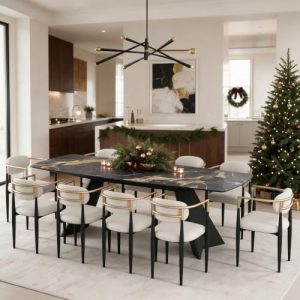
Different rooms put different demands on decor, so the store that works for a living room may not suit a nursery or a bathroom.
Living rooms
These spaces need large-scale pieces such as rugs, curtains, lamps and wall art, and a store with a wide range of sizes helps. Look for rugs that are big enough for the front legs of all seating to rest on, and curtains that hang from just below the ceiling to the floor.
Bedrooms
Textiles dominate bedroom decor, including bedding, throws, pillows and curtains. Stores with clear fiber information and care instructions are more useful here than those focused on small accessories. Blackout or lined curtains are worth seeking out where early light is a problem.
Kitchens and dining rooms
Easy-clean materials matter. Look for wipeable table linens, sturdy serveware and trays, and open-shelf styling that does not trap grease. Storage baskets and canisters should state whether they are food safe if they will hold pantry items.
Bathrooms
Moisture resistance is the main concern. Towels, rugs and shower curtains should dry quickly, and wall art should have frames and glazing that tolerate humidity.
Outdoor spaces
Weather-rated pillows, rugs and lanterns are available from stores that specialize in patio goods. Check for fade resistance and drainage so items survive rain and sun.
Budget Tiers and Where They Fit
- Budget tier: Discount stores and secondhand shops work well for frames, vases, baskets and seasonal items.
- Mid-range tier: Home furnishing specialists and online retailers give a balance of design and durability for textiles, lamps and rugs.
- Premium tier: Boutiques, design showrooms and artisans suit statement pieces and items that will last many years.
A mix of tiers is normal and often looks more personal than a single-store room. Spending more makes the most sense on items that are touched or used daily, such as rugs, lamps and bedding, while inexpensive stores handle seasonal accents that may be swapped out every year.
Common Mistakes
- Buying on impulse without measuring.
- Shopping from one store and ending up with a showroom look.
- Ignoring return policies on large or custom items.
- Choosing items that are too small, such as rugs that float in the room or art that is lost on a wall.
- Trusting online color rendering without samples.
- Overlooking safety labels on lighting and candles.
Related guides
- Artificial Christmas Tree For Apartments Under $150
- Christmas Tree Lights For Apartments Under $150
- Diamond Painting Kit For Beginners Under $50
Frequently Asked Questions
Is it better to shop decor online or in person?
In-person shopping helps with color and texture, while online shopping provides greater selection and comparison. Many shoppers browse online and confirm key pieces in person or order swatches first.
How can a room look cohesive with items from different stores?
Stick to a limited color palette and repeat materials or finishes across pieces. A shared tone, such as warm wood or black metal, ties items together.
What should be checked before buying lamps or lighting?
Look for bulb compatibility, cord length, shade size and safety certification markings. Confirm the style suits the room scale.
Are secondhand stores good for decor?
Yes, especially for frames, solid wood furniture, ceramics and brass. Items may need cleaning or refinishing, and electrical pieces should be inspected before use.
More from Amazon
Programs that pair well with the guide above. Offers and eligibility are set by Amazon and may change.
Collect the home and kitchen items you want in one registry that guests can shop from.
Create a wedding registrySet up recurring deliveries of everyday items on eligible products. Terms and savings are set by Amazon.
Explore Subscribe & SaveFree shipping on eligible items, Prime Video and more. Eligible new members can start with a free trial.
Start a Prime free trialAudiobooks and podcasts to listen to on the go. Eligible new members can start with a free trial.
Try Audible freeAs an Amazon Associate we earn from qualifying purchases.