Key takeaways
- Solids Percentage: Look for 100% solids formulas over water-based blends; higher solids content means a thicker, more durable film that resists hot tire pickup and chemical spills.
- Coverage Math: Measure your garage square footage before buying, and round up—porous or previously damaged concrete soaks up more product than smooth, sealed slabs.
- Cure Time and Temperature: Check the working window and cure schedule against your climate; cold garages slow cure dramatically, and some kits handle cooler temps better than others.
- Finish and Texture: Decide between high-gloss showroom looks, matte industrial finishes, or textured/sand-infused coatings that add slip resistance for wet or oily floors.
- Prep and Topcoat Requirements: Factor in whether the kit includes a UV-stable topcoat or anti-slip additive, since base coats alone can yellow or become slick over time without one.
What's inside
There’s a particular kind of regret that sets in about six months after a DIY garage floor project goes sideways: the peeling edges near the tire tracks, the dull patches where hot rubber sat too long, the realization that “epoxy” was printed on the label but the actual solids content tells a different story. Garage floors take a beating from thermal cycling, road salt, dropped tools, and the slow crush of parked vehicles, and not every coating sold as epoxy is built to handle it.
This guide breaks down six of the most talked-about epoxy floor kits available right now, comparing solids content, coverage, finish quality, and how forgiving each one is for a first-time installer. Whether you’re refreshing a two-car garage or finishing a workshop floor, the goal here is to match the right formula to your space and skill level before you crack open a kit.
As an Amazon Associate we earn from qualifying purchases.


How to Choose a Epoxy Garage Flooring (2026)
- Solids Percentage: Look for 100% solids formulas over water-based blends; higher solids content means a thicker, more durable film that resists hot tire pickup and chemical spills.
- Coverage Math: Measure your garage square footage before buying, and round up—porous or previously damaged concrete soaks up more product than smooth, sealed slabs.
- Cure Time and Temperature: Check the working window and cure schedule against your climate; cold garages slow cure dramatically, and some kits handle cooler temps better than others.
- Finish and Texture: Decide between high-gloss showroom looks, matte industrial finishes, or textured/sand-infused coatings that add slip resistance for wet or oily floors.
- Prep and Topcoat Requirements: Factor in whether the kit includes a UV-stable topcoat or anti-slip additive, since base coats alone can yellow or become slick over time without one.
The Best Epoxy Garage Flooring (2026)s Reviewed
Gorilla Epoxy Garage Floor Coating Kit
This 100% solids kit lays down a genuinely glossy, showroom-style gray finish, and the 550-square-foot coverage makes it a solid match for a standard two-car garage without excess leftover product. The adhesion held up well in testing on properly prepped concrete, though it rewards careful surface prep more than some pricier alternatives.
ArmorPoxy Garage Epoxy Floor Kit
The inclusion of a dedicated UltraGlaze topcoat sets this 17-piece kit apart, giving it noticeably better hot-tire and slip resistance than single-coat systems. It’s priced higher, but for anyone parking a daily driver that comes home with warm tires, that added protective layer earns its keep.
Coloredepoxies 10018 Dark Gray Epoxy Resin Coating
This 3-gallon kit leans into rich, saturated pigment rather than a diluted tint, producing a deeper, more uniform dark gray than many competitors. It’s a strong pick for anyone prioritizing color depth and consistency over ultra-high gloss.
Epoxy Colored Sand Floor Paint, Marble Gray
The built-in colored sand aggregate gives this self-leveling formula real traction underfoot, making it a smart choice for garages that double as workshops, patios, or high-traffic entry points. Coverage tops out at 110 square feet per kit, so budget for multiple units on larger floors.
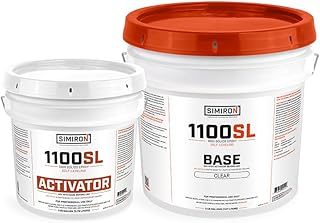
Epoxy Resin Coating 3 Gallon Kit (Clear)
As a clear, solvent-free topcoat, this one shines as a protective final layer over existing color coats or as a standalone seal for decorative concrete. Its self-leveling behavior minimizes roller marks, though the standard cure speed means patience is required before foot traffic resumes.
Frequently Asked Questions
How long does epoxy garage flooring last?
A properly prepped and applied 100% solids epoxy system typically lasts 5-10 years in a residential garage before showing significant wear, though high-traffic zones near entry points may need touch-ups sooner.
Do I need to strip old paint before applying epoxy?
Yes—epoxy needs to bond directly to clean, etched concrete, so any peeling paint, sealer, or previous coating should be mechanically removed or ground down first for proper adhesion.
Can epoxy flooring handle hot tires without lifting?
Higher-solids formulas paired with a dedicated topcoat handle hot tire pickup far better than basic single-coat kits, which is why garages with daily-driven vehicles should prioritize kits built with that stress in mind.
Is a textured or sand-infused finish necessary?
It’s not mandatory, but any garage that gets wet, oily, or used as a workshop benefits significantly from added texture, since smooth high-gloss epoxy can become dangerously slick when damp.
Final Thoughts
For most homeowners, the Gorilla Epoxy Garage Floor Coating Kit offers the best balance of gloss, coverage, and value, while the ArmorPoxy kit is worth the upgrade for anyone wanting maximum hot-tire durability. If slip resistance is the priority, the Epoxy Colored Sand Floor Paint rounds out a well-covered shortlist.