Key takeaways
- Connection size: Most compatible models use a 3/4-inch female hose thread, commonly listed as 3/4-inch FHT. Confirm your dehumidifier manual before ordering.
- Length: Measure the route from the unit to the drain, allowing a little extra for gentle bends. Excess hose is easier to manage than a stretched connection, but avoid a large loop that can trap water.
- Flexibility: A no-kink or thickened hose is helpful behind cabinets and along baseboards, where sharp bends can interrupt gravity-fed drainage.
- Fittings: Brass or rust-resistant connectors can provide a more reassuring connection than lightweight plastic, particularly in humid utility spaces.
- Drain placement: These hoses generally rely on gravity. Position the dehumidifier high enough, when permitted by the manufacturer, and keep the hose descending continuously toward the drain.
What's inside
A dehumidifier can quietly make a room feel more comfortable, but emptying its water tank every day is hardly a polished routine—especially in a basement lounge, laundry room, or carefully styled guest suite. A drain hose offers a continuous alternative, yet the wrong length, connector, or routing can lead to kinks, slow drainage, and unwelcome puddles near furniture.
This guide focuses on the details that matter in real homes: 3/4-inch FHT compatibility, connector quality, hose flexibility, practical length, and easy placement. The selections below are suited to different layouts, from a compact apartment corner to a utility area where the dehumidifier sits several feet from a drain.
As an Amazon Associate we earn from qualifying purchases.




🛒 Best Price Today on Amazon
Prime members get fast, free shipping on everything above, plus member-only deals. New members get a 30-day free trial — cancel anytime.
How to Choose a Dehumidifier Drain Hose (2026)
- Connection size: Most compatible models use a 3/4-inch female hose thread, commonly listed as 3/4-inch FHT. Confirm your dehumidifier manual before ordering.
- Length: Measure the route from the unit to the drain, allowing a little extra for gentle bends. Excess hose is easier to manage than a stretched connection, but avoid a large loop that can trap water.
- Flexibility: A no-kink or thickened hose is helpful behind cabinets and along baseboards, where sharp bends can interrupt gravity-fed drainage.
- Fittings: Brass or rust-resistant connectors can provide a more reassuring connection than lightweight plastic, particularly in humid utility spaces.
- Drain placement: These hoses generally rely on gravity. Position the dehumidifier high enough, when permitted by the manufacturer, and keep the hose descending continuously toward the drain.
The Best Dehumidifier Drain Hoses (2026) Reviewed
12FT Dehumidifier Drain Hose with Brass Fittings
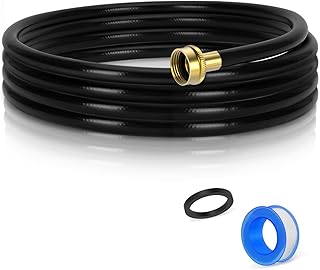
This 12-foot option is a strong choice when the dehumidifier cannot sit directly beside a floor drain or sink. Its 3/4-inch FHT connector and rust-resistant brass fittings suit shoppers who want a longer reach with a more substantial-looking connection. Measure carefully before installation so the extra length can be routed neatly along a wall rather than left in a loose coil.
5FT No-Kink Dehumidifier Hose
The Dehumidifier Hose with ¾ Inch FHT Connection, No Kink, 5 Feet, Black is a tidy fit for smaller rooms and straightforward drainage paths. Its shorter profile is particularly appealing in finished spaces, where a dark hose can disappear beside black appliances, shelving, or furniture legs.
Multi-Length Dehumidifier Drain Hose with Brass Fittings
This seven-length-option hose gives you more flexibility than a one-size-fits-all purchase. The 3/4-inch FHT connector and rust-resistant brass fittings make it a practical pick for buyers still deciding between a compact route and a longer run. Choose the shortest size that reaches comfortably to keep the installation visually clean.
5FT Thickened Leakproof Dehumidifier Hose
The 5FT Dehumidifier Drain Hose with 3/4-inch FHT and a rustproof durable connector is designed for a compact indoor setup. Its thickened construction may appeal to households that want a sturdier-feeling hose beside a utility sink, laundry appliance, or basement dehumidifier. As with any gravity-drain arrangement, the routing matters as much as the hose itself.
5FT Dehumidifier Hose with Premium Brass Connectors
This 5-foot drainage hose keeps the specification simple while adding premium brass connectors. It is a sensible middle-ground option for a nearby drain, especially when you want the fitting to feel more durable and finished than a basic plastic connection. It should work well in an organized utility zone where a short, direct run is possible.
Frequently Asked Questions
Are dehumidifier drain hoses universal?
Not completely. Many residential dehumidifiers use a 3/4-inch FHT connection, but fittings and drain-port designs vary. Check the appliance manual or existing connector before purchasing.
How long should a dehumidifier drain hose be?
Choose a hose that reaches the drain without tension and leaves enough room for smooth bends. A hose that is too short can pull on the fitting, while excessive length may create loops where water collects.
Can a dehumidifier hose run uphill?
Usually, continuous drainage depends on gravity, so an uphill section can restrict or stop the flow. Follow the manufacturer’s installation guidance and create a steadily downward route whenever possible.
How do I prevent leaks at the connection?
Make sure the hose thread matches the appliance, keep the fitting straight, and tighten it securely without forcing or cross-threading. Test the setup while the unit is operating, then inspect the connection and floor area after several hours.
Final Thoughts
For long or awkward routes, the 12FT hose with rust-resistant brass fittings is the most versatile pick. The 5FT No-Kink model suits compact, design-conscious spaces, while the seven-length brass-fitting option is ideal when you want to match the hose precisely to your room’s layout.