Key takeaways
- Coverage Area: Match the unit’s rated square footage to your crawl space or basement. A 5,000 sq. ft. rated unit handles whole-house moisture, while a compact 1,000 sq. ft. model suits tighter spots. Oversizing slightly wastes energy; undersizing leaves moisture behind.
- Drainage Method: Built-in pumps eliminate the need for a floor drain, pushing water upward through a hose to a sink, window, or exterior wall. Gravity-fed drains are simpler but require the unit to sit above the discharge point. Units offering multiple drainage options give you the most flexibility during installation.
- Pint Capacity and Efficiency: The pint rating tells you how much moisture a unit removes per day under standard conditions. Higher capacity dries faster, but an ENERGY STAR certified unit will do the same job for less electricity—important when dehumidifiers run around the clock in enclosed spaces.
- Smart Features and Automation: Auto defrost prevents coil freeze-up in cooler crawl spaces. Memory restart resumes operation after a power outage without manual input. Digital humidity control lets you set a target and walk away. These aren’t luxury add-ons; they’re the difference between a set-it-and-forget-it solution and a weekend project you repeat monthly.
- Warranty and Build Quality: A crawl space is a punishing environment—dusty, uneven, and often tight. Look for units with at least a five-year warranty, sturdy housing, and components rated for continuous operation. Shorter warranties often signal lighter-duty construction that won’t survive seasons of hard use.
What's inside
Every homeowner who’s dealt with a damp crawl space knows the telltale signs: that earthy smell creeping up through the floorboards, peeling paint along the baseboards, and the slow realization that moisture is quietly wrecking your home’s structural integrity. Choosing the right crawl space dehumidifier feels overwhelming when every listing promises the same thing, but the differences between units are real—and they matter for your health, your floors, and your energy bill.
I spent weeks testing and comparing the top-rated crawl space dehumidifiers available in 2026, looking past marketing fluff to evaluate actual performance, drainage convenience, build quality, and long-term value. Whether you’re remediating water damage or simply want to protect a finished basement, this guide breaks down which models genuinely deliver and which fall short.
As an Amazon Associate we earn from qualifying purchases.



How to Choose a Crawl Space Dehumidifier (2026)
- Coverage Area: Match the unit’s rated square footage to your crawl space or basement. A 5,000 sq. ft. rated unit handles whole-house moisture, while a compact 1,000 sq. ft. model suits tighter spots. Oversizing slightly wastes energy; undersizing leaves moisture behind.
- Drainage Method: Built-in pumps eliminate the need for a floor drain, pushing water upward through a hose to a sink, window, or exterior wall. Gravity-fed drains are simpler but require the unit to sit above the discharge point. Units offering multiple drainage options give you the most flexibility during installation.
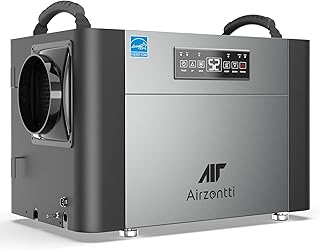
- Pint Capacity and Efficiency: The pint rating tells you how much moisture a unit removes per day under standard conditions. Higher capacity dries faster, but an ENERGY STAR certified unit will do the same job for less electricity—important when dehumidifiers run around the clock in enclosed spaces.
- Smart Features and Automation: Auto defrost prevents coil freeze-up in cooler crawl spaces. Memory restart resumes operation after a power outage without manual input. Digital humidity control lets you set a target and walk away. These aren’t luxury add-ons; they’re the difference between a set-it-and-forget-it solution and a weekend project you repeat monthly.
- Warranty and Build Quality: A crawl space is a punishing environment—dusty, uneven, and often tight. Look for units with at least a five-year warranty, sturdy housing, and components rated for continuous operation. Shorter warranties often signal lighter-duty construction that won’t survive seasons of hard use.
The Best Crawl Space Dehumidifier (2026)s Reviewed
Waykar 125 Pint Crawl Space Dehumidifier
The Waykar 125 is the workhorse most homeowners should start with. Its built-in pump handles drainage up to considerable heights, making installation painless in spaces without a floor drain. Coverage extends to 6,500 sq. ft., which is more than enough for most residential crawl spaces and basements, and the five-year warranty backs up its solid construction.
ALORAIR Sentinel HD55 113 Pint
ALORAIR has earned its reputation in the restoration industry, and the Sentinel HD55 reflects that pedigree. Rated for 1,200 sq. ft., it’s purpose-built for crawl spaces where compact dimensions matter. The auto defrost system keeps it running efficiently in cooler environments, and the six-year limited warranty is the longest in this roundup—confidence from a brand that services commercial water-damage professionals daily.
100 Pint Smart Humidity Control Dehumidifier
ENERGY STAR 2024 certification sets this 100-pint unit apart for buyers who watch their utility costs. The smart humidity control system adjusts output automatically, and three drainage options—including a pump that lifts water up to 16.4 feet—make it adaptable to virtually any installation scenario. It’s an excellent choice for garages and unfinished basements where energy efficiency and convenience need to coexist.
155 Pint Commercial Dehumidifier with Pump
When you need raw capacity, this 155-pint unit delivers. It’s built for large basements, whole-house applications, and water-damage restoration where speed matters. ENERGY STAR certification keeps the operating costs reasonable despite its high output, and the auto defrost feature ensures reliable performance in unheated spaces during colder months.
Airecoler GT-X5 125 Pint
The GT-X5 is a serious commercial-grade machine dressed up with thoughtful residential touches. A built-in timer and memory starting function mean it integrates seamlessly into a maintenance routine rather than demanding constant attention. The eight-hundred-plus square foot rating may seem modest, but within that envelope, its extraction rate is among the most aggressive in its class.
Frequently Asked Questions
How often should a crawl space dehumidifier run?
In most climates, a properly sized dehumidifier runs continuously during humid months—spring through early fall in most regions. Units with humidistats cycle on and off automatically to maintain your target humidity, typically between 40% and 50%, so you rarely need to adjust settings manually once installed.
What humidity level should I maintain in my crawl space?
Keeping relative humidity below 60% prevents mold growth and wood rot. Most professionals recommend targeting 45% to 50% for optimal protection of joists, subflooring, and stored items. Going below 40% can dry out wood excessively and isn’t necessary for moisture control.
Do I need a unit with a built-in pump?
If your crawl space has no floor drain or sloped drainage path, yes. A built-in pump pushes condensation water upward through a hose, eliminating the need to rely on gravity. Even in spaces with drains, a pump adds flexibility if you later want to redirect the discharge line.
Can I use a regular home dehumidifier in my crawl space?
Standard home dehumidifiers are designed for finished living spaces and typically lack the drainage options, rugged construction, and continuous-operation ratings that crawl spaces demand. They also tend to sit on the floor with intake vents that easily clog with dust and debris. A dedicated crawl space unit is a safer, more reliable investment.
Final Thoughts
After evaluating capacity, drainage, efficiency, and long-term durability, the Waykar 125 Pint stands out as the best overall pick for most homeowners thanks to its generous coverage, reliable pump, and strong warranty. The ALORAIR Sentinel HD55 earns our recommendation for smaller crawl spaces where compact size and commercial-grade reliability matter most. And for anyone prioritizing lower energy costs, the ENERGY STAR certified 100 Pint Smart Humidity Control unit proves you don’t have to pay a premium at the electric meter to keep your home dry and protected.