Key takeaways
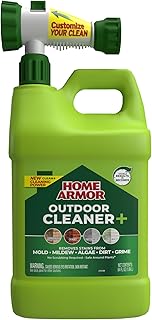
- For broad patio maintenance: 30 SECONDS Outdoor Cleaner, Hose End Sprayer, 2 Pack, Mold & Mildew Cleaner is convenient when you want to cover a larger rug and nearby hardscape. Keep the spray controlled and avoid soaking areas that cannot dry quickly.
- For isolated marks: 30 SECONDS Outdoor Mold & Mildew Stain Remover Spray, Ready To Use, 32 fl. oz., 2 Pack is easier to direct at a small discolored patch.
- For a bleach-free approach: Wet & Forget Outdoor Cleaner & Stain Remover is designed for outdoor mold, mildew, algae, and stains, with wind and rain helping the treatment over time. It is best suited to situations where the label permits use on the rug’s material.
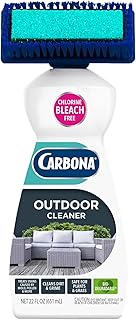
- For quick spot work: Carbona Oxy Powered Outdoor Cleaner with Built-In Brush combines a spot formula with a sponge-and-bristle applicator. Use a light touch on printed patterns and textured fibers.
- For concentrated cleaning: Simple Green Oxy Solve Total Outdoor Cleaner Concentrate can be used manually or with compatible equipment. Dilute it exactly as directed and confirm that the intended surface includes your rug’s fiber.
What's inside
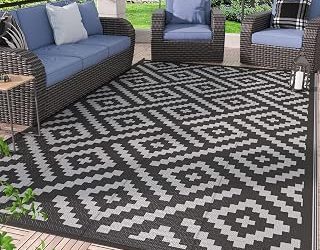
An outdoor rug can make a patio feel as considered as an indoor room, but it also collects pollen, food spills, soil, algae, and moisture-driven mildew. The wrong cleaning method can fade the pattern, loosen the backing, or leave the rug damp long enough to develop a musty smell. A thoughtful clean is less about aggressive scrubbing and more about choosing the right product, giving the rug room to dry, and working with its material.
This guide explains the best way to clean an outdoor rug in 2026, from identifying the fiber and testing a cleaner to rinsing, drying, and handling stubborn stains. It also covers when a hose-end formula makes sense, when a targeted spray is better, and which cleaning tools are worth keeping in your patio-care kit.
As an Amazon Associate we earn from qualifying purchases.



1. Check the Rug Before You Clean It
Start by reading the care label, if one is available. Most outdoor rugs are made from polypropylene, polyester, or another weather-resistant synthetic fiber, but construction still varies. A flatwoven rug is usually easier to rinse than a thick, textured design with a dense backing. Natural-fiber rugs, including jute or sisal blends, need a different approach and may not tolerate saturation.
Move the rug away from furniture and inspect both sides. Shake or vacuum off loose grit, leaves, and pet hair before adding water. Grit trapped in the weave can act like sandpaper when scrubbed. Look for color transfer, frayed edges, lifted seams, or a deteriorating backing; these are signs to use minimal moisture and avoid pressure washing.
2. Choose a Cleaner for the Problem
For general dirt, a mild detergent solution and a soft brush are often sufficient. For green or black organic staining, choose an outdoor cleaner formulated for mold, mildew, algae, and grime. Always follow the label’s dilution, dwell-time, ventilation, and plant-protection instructions rather than assuming that a stronger mix will work better.
- For broad patio maintenance: 30 SECONDS Outdoor Cleaner, Hose End Sprayer, 2 Pack, Mold & Mildew Cleaner is convenient when you want to cover a larger rug and nearby hardscape. Keep the spray controlled and avoid soaking areas that cannot dry quickly.
- For isolated marks: 30 SECONDS Outdoor Mold & Mildew Stain Remover Spray, Ready To Use, 32 fl. oz., 2 Pack is easier to direct at a small discolored patch.
- For a bleach-free approach: Wet & Forget Outdoor Cleaner & Stain Remover is designed for outdoor mold, mildew, algae, and stains, with wind and rain helping the treatment over time. It is best suited to situations where the label permits use on the rug’s material.
- For quick spot work: Carbona Oxy Powered Outdoor Cleaner with Built-In Brush combines a spot formula with a sponge-and-bristle applicator. Use a light touch on printed patterns and textured fibers.
- For concentrated cleaning: Simple Green Oxy Solve Total Outdoor Cleaner Concentrate can be used manually or with compatible equipment. Dilute it exactly as directed and confirm that the intended surface includes your rug’s fiber.
3. Test for Colorfastness First
Before cleaning the visible surface, test the solution on a hidden corner or underneath the rug. Apply a small amount, leave it for the label’s recommended time, then blot or rinse as directed. Press a white cloth against the test area to check for dye transfer and compare the dried patch with the surrounding color.
If the rug bleeds, becomes tacky, develops a pale spot, or shows a change in texture, stop and choose a gentler method. Product labels may list outdoor surfaces such as decks, vinyl, or concrete without specifically approving every outdoor rug. When in doubt, contact the rug manufacturer before treating the whole piece.
4. Wash in Sections, Not All at Once
Choose a warm, dry day with enough time for complete drying. Lay the rug on a clean, sloped surface such as a driveway or patio, but avoid placing delicate fibers directly on rough concrete. If the rug is large, clean it in manageable sections so the solution does not dry unevenly.
Pre-rinse with a garden hose using moderate pressure. Apply the cleaner according to its instructions, working from the least soiled area toward the dirtiest section. Allow the product to dwell; this is when it loosens organic staining. Use a soft nylon brush for embedded grime, brushing in the direction of the weave. Avoid stiff wire brushes, abrasive pads, and forceful pressure-washer settings, which can fuzz the surface or damage the backing.
Rinse thoroughly until the runoff is clear and no slippery residue remains. Cleaner left in the weave can attract fresh dirt and may irritate bare feet or pets. Do not mix products, particularly formulas containing different active ingredients.
5. Dry Completely Before Reinstalling
Drying is as important as washing. Lift the rug over a railing, hang it from a sturdy line, or lay it flat with air circulating underneath. Turn it periodically so the backing does not stay damp. Direct sun can speed drying, although prolonged intense sunlight may fade certain dyes, so use partial shade when practical.
Do not return a damp rug beneath outdoor furniture. Check the center, folded edges, and underside by touch; all should feel dry rather than cool or clammy. Once dry, vacuum or shake the rug lightly to restore its surface and inspect for any remaining stains. A second targeted treatment is generally preferable to one overly concentrated application.
Tips
- Clean early in the day, leaving several hours of warm airflow for drying.
- Protect nearby plants, painted surfaces, cushions, and metal furniture from overspray.
- Use a soft brush and short strokes instead of grinding stains deeper into the weave.
- Store the rug rolled, not sharply folded, only after it is fully clean and dry.
Frequently Asked Questions
Can I pressure wash an outdoor rug?
Usually, a garden hose is safer. Pressure washing may separate fibers, lift the backing, or force water deep into the rug. If the manufacturer specifically permits it, use the lowest effective setting, keep the nozzle moving, and maintain generous distance.
How often should I clean an outdoor rug?
Shake or vacuum it every week or two during heavy-use seasons, and rinse it when dust or pollen becomes visible. Perform a deeper clean once or twice a year, plus promptly after food, drink, or pet accidents.
What is the best way to remove mildew odor?
Remove loose debris, treat the affected area with a compatible labeled outdoor cleaner, rinse thoroughly, and dry the rug completely in moving air. Odor that returns after repeated cleaning may indicate moisture trapped in the backing or material deterioration.
Can I use household bleach on an outdoor rug?
Do not assume bleach is safe. It can discolor fibers, weaken stitching, and damage backings. Select a product labeled for the rug’s material and outdoor use, and never combine cleaners.
Conclusion
The best way to clean an outdoor rug is a measured routine: identify the material, remove dry debris, test the cleaner, wash gently in sections, rinse thoroughly, and allow complete airflow-assisted drying. With the right product and a little patience, you can keep the rug looking polished without sacrificing its color, texture, or backing.