Key takeaways
- Wear eye protection and a dust mask; MDF and hardboard dust are unpleasant and should not be inhaled.
- Cut outdoors or use dust extraction when possible, and keep the vacuum hose clear of the blade.
- Make a test cut on an offcut to confirm blade choice, direction, and the final edge quality.
- Keep the pegboard face supported and avoid cutting through unsupported holes, which can increase vibration.
What's inside
Cutting pegboard is one of those small DIY jobs that can make or break an otherwise polished furniture project. A ragged edge, chipped holes, or a panel that is a few millimetres too wide can leave a custom desk, storage wall, or cabinet insert looking unfinished. The good news is that pegboard is generally straightforward to cut once you choose a blade suited to its material and support it properly.
This guide explains the best way to cut wood-fibre, MDF, and plastic pegboard, from measuring and marking through to smoothing the finished edge. You’ll learn which hand and power tools are worth considering, when a compact saw is the better choice, and how to avoid the most common mistakes. The emphasis is on clean results, controlled cuts, and tools that make sense for occasional home-furniture projects.
As an Amazon Associate we earn from qualifying purchases at no extra cost to you. Product prices and availability are accurate as of the date shown and are subject to change.


🛒 Best Price Today on Amazon
Prime members get fast, free shipping on everything above, plus member-only deals. New members get a 30-day free trial — cancel anytime.
Choose the right tool for your pegboard
Start by identifying what the panel is made from. Tempered hardboard pegboard is dense and can splinter, while MDF pegboard produces fine dust and plastic pegboard may melt if a blade runs too hot. The panel thickness also matters: thin sheets can be scored or cut with a fine-tooth hand saw, whereas thicker or especially rigid panels benefit from a circular saw or jigsaw.
For a straight cut across a standard hardboard panel, a fine-tooth circular saw with a guide usually gives the cleanest and fastest result. A compact option such as the SEESII Mini Circular Saw can be useful for furniture-scale work because it is easier to control than a full-size saw. Its laser guide and bevel function are helpful features, although you should still rely on a physical straightedge rather than the laser alone for precision.
A hand tool is perfectly reasonable for one or two cuts. The 8-In-1 Multi Blades Hand Saw offers several blade styles and can handle wood, plastic, and drywall-type materials. Choose a fine-tooth blade, keep the stroke steady, and expect the cut to take longer than it would with a powered saw.
Measure, mark, and plan around the holes
Measure the installation space in at least two places; walls, cabinet sides, and furniture backs are rarely perfectly square. Transfer the smaller measurement to the pegboard if the panel needs to fit inside an opening. Mark the cut line on the rear face, where any minor breakout is less visible, and use a pencil plus a straightedge for a crisp reference.
Pay attention to the hole pattern before cutting. If possible, position the cut so the visible edge leaves a balanced row of holes rather than an awkward sliver. When a panel is being framed, allow enough solid material for the frame, screws, or trim. It is usually better to cut slightly proud and make a second refinement cut than to remove too much at once.
Support the panel and prevent tear-out
Place the pegboard on a sacrificial work surface with the waste section fully supported. Clamps should hold the panel without crushing it, and the cut line should extend just beyond the edge of the support. If you are using a circular saw, clamp a straight guide parallel to the cut line and account for the distance between the blade and the saw’s shoe.
Painter’s tape over the cut line can reduce surface chipping, particularly on laminated or painted pegboard. Use a sharp, fine-tooth blade and let the tool do the work; forcing the saw increases vibration and makes splintering more likely. For a hand saw, begin with short, gentle strokes to establish the kerf before using longer strokes.
Match the tool to the material
Not every cutter marketed for DIY materials is suitable for pegboard. The Multi-Cut 401 Cutting Tool is intended for soft wood, cardboard, plastic, rope, leather, and similar materials, but its stated limitations include hardwood and compressed wood. That makes it a poor choice for dense hardboard or MDF pegboard, despite its convenience for lighter sheet materials.
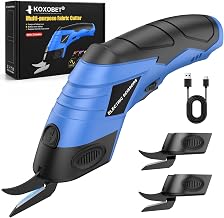
Rotary shear-style cutters can be handy for fabric, felt, cardboard, and thin flexible plastic. The Fanttik C10 Pro BowGuide Electric Cardboard Cutter and the 2026 Upgrade Cordless Cutting Tool Cardboard Cutter are better viewed as specialty cutting tools than substitutes for a saw. They may help with soft, thin materials, but they are not the dependable choice for a straight, splinter-free cut through standard hardboard pegboard.
Similarly, a laminate floor cutter such as the 13In Laminate Floor Cutter with Wheel is designed for flooring products rather than pegboard. Its long cutting action can crush or crack a rigid panel, so use it only if the manufacturer explicitly confirms compatibility with your pegboard material and thickness.
Finish the edge and check the fit
After cutting, inspect both faces and remove loose fibres with a sanding block. Begin with medium-grit sandpaper, then use fine grit for a smoother furniture-ready edge. Sand in the direction of the edge rather than aggressively rounding the corners. A small file can clean individual burrs around a hole near the cut.
Dry-fit the panel before painting or mounting it. Check that it sits flat, that the holes remain accessible, and that your chosen hooks or brackets will clear the surrounding frame. For a visible raw edge, apply matching edge banding, paint, thin trim, or a clear protective finish appropriate to the board material. Seal MDF and hardboard edges especially well because they absorb moisture quickly.
Tips
- Wear eye protection and a dust mask; MDF and hardboard dust are unpleasant and should not be inhaled.
- Cut outdoors or use dust extraction when possible, and keep the vacuum hose clear of the blade.
- Make a test cut on an offcut to confirm blade choice, direction, and the final edge quality.
- Keep the pegboard face supported and avoid cutting through unsupported holes, which can increase vibration.
Frequently Asked Questions
What is the best saw for cutting pegboard?
For occasional straight cuts, a fine-tooth circular saw or jigsaw is usually the most practical choice. A compact saw such as the SEESII Mini Circular Saw can be easier to manage on furniture projects. Use a fine blade, a guide, and full panel support for the cleanest result.
Can I cut pegboard with a utility knife?
Only some thin plastic or very soft fibreboard panels can be scored successfully, and even then the result may be uneven. Standard hardboard pegboard is usually too dense for reliable knife scoring. A fine-tooth hand saw is safer and more predictable.
Which side of pegboard should face up while cutting?
Mark and cut from the back when practical, because many saws create more breakout on the side where the teeth exit. Always check the blade’s cutting direction and follow the tool manufacturer’s guidance. Tape over the line can provide additional protection.
How do I cut pegboard without damaging the holes?
Plan the layout so the cut avoids splitting through a row of holes whenever possible. Support the panel close to the cut, clamp it firmly, and use a sharp fine-tooth blade. Finish with light sanding rather than trying to force a perfect edge in one pass.
Conclusion
The best way to cut pegboard is controlled rather than complicated: measure carefully, plan around the hole pattern, support the sheet, and use a sharp blade suited to its material. A compact circular saw is a strong all-round choice for straight furniture cuts, while a fine-tooth hand saw works well for smaller jobs. Finish the edge thoughtfully, and your pegboard will look like an intentional part of the furniture rather than an afterthought.