Key takeaways
- Blot spills immediately with a dry, absorbent cloth; never rub a fresh spill outward.
- Keep white leather away from dark, unwashed denim and strongly dyed throws, especially when the sofa is new.
- Clean high-contact areas monthly and give the entire sofa a gentler maintenance clean every few months.
- Keep the sofa out of strong direct sunlight and away from radiators, vents, and wood-burning stoves to reduce fading and drying.
What's inside
A white leather sofa can make a room feel brighter, calmer, and beautifully tailored—but it also reveals every smudge, denim transfer, and accidental splash. The good news is that regular care is less about aggressive scrubbing and more about using the right product, the right amount of moisture, and a patient technique.
This guide explains how to clean a white leather sofa safely, how to identify the finish before you begin, and which cleaners or repair products are worth considering. The goal is a sofa that looks fresh and supple without stripping its protective coating or creating shiny, overworked patches.
As an Amazon Associate we earn from qualifying purchases.




Start by Identifying the Leather
Before reaching for cleaner, check the sofa’s care label or manufacturer’s instructions. Most contemporary white sofas use finished or protected leather, which has a surface coating that helps repel spills. Aniline, semi-aniline, nubuck, and suede require different products and should not be treated like finished leather.
If the label is missing, look closely at the surface. Smooth, evenly colored leather with a slight protective sheen is usually finished leather. A very soft, porous surface that darkens quickly when touched with a damp cloth may be more absorbent. When in doubt, contact the manufacturer rather than testing a conspicuous stain with a strong cleaner.
Prepare the Sofa and Test First
Remove cushions if possible and vacuum the sofa using a soft brush attachment. Pay attention to seams, piping, and the gap between the seat and back cushions, where crumbs can become abrasive grit. Dusting first prevents particles from being rubbed into the finish during cleaning.
Choose a hidden area, such as the underside of a cushion or the back edge, and test the cleaner according to its label. Apply a small amount to a white microfiber cloth rather than pouring it directly onto the sofa. Check the test patch after it dries for color change, stickiness, dullness, or transfer of white pigment. A product designed for white leather is helpful, but a patch test is still essential.
Clean in Small, Manageable Sections
Work one cushion or panel at a time. Lightly dampen a clean microfiber cloth with a suitable leather cleaner, then wipe with gentle, overlapping strokes. Avoid soaking the leather: excess liquid can collect in seams, loosen adhesives, or leave uneven drying marks. For textured grain, use a soft horsehair or leather brush only when the product instructions permit it.
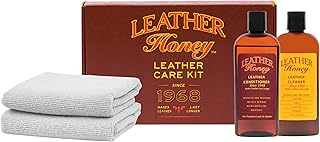
For everyday grime, a mild cleaner is generally preferable to household soap, disinfectant, degreaser, or melamine “magic eraser” sponges. These can remove protective finishes or create a patch that looks noticeably different from the surrounding leather. Leather Honey Leather Cleaner is one option formulated for leather, faux leather, and vinyl, while Weiman Leather Cleaner & Conditioner is designed to clean and condition finished leather surfaces.
After cleaning each section, wipe away residue with a separate cloth lightly dampened with clean water, then pat dry. Replace the cloth as soon as it becomes gray or visibly dirty; otherwise, you may redistribute the soil.
Condition Without Making the Sofa Greasy
Once the sofa is fully dry, consider conditioning it if the leather feels stiff or looks dull. Use a small amount and spread it thinly. White leather can show oily residue more readily than darker colors, so a “more is better” approach usually backfires. Buff gently with a fresh, dry cloth after the product has absorbed.
A combined cleaner-and-conditioner can simplify routine maintenance. For larger households, Weiman Leather Cleaner & Conditioner in the two-pack format may be convenient, while the single 12-fluid-ounce bottle suits occasional touch-ups. The Leather Honey Complete Leather Care Kit includes cleaner, conditioner, and cloths, making it a practical starting point if you are building a dedicated leather-care setup.
Handle Scuffs, Dye Transfer, and Damage Carefully
Surface marks should be treated differently from discoloration or missing finish. A faint dark smudge may lift with repeated gentle cleaning, but blue transfer from jeans, ink, and deeply absorbed stains can be permanent. Do not keep scrubbing once the mark stops improving; friction can polish the surrounding leather and make the problem more obvious.
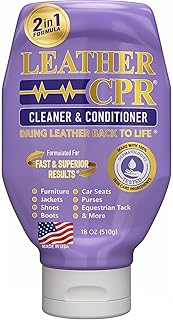
For genuine scratches, peeling finish, or areas where white color has been lost, a recoloring product may help—but matching the shade and sheen is difficult. Leather Recoloring Balm with Mink Oil is intended for white leather, vinyl, PU, faux leather, and furniture repairs. Use it sparingly, follow the manufacturer’s preparation steps, and test carefully. For real leather that needs both cleaning and conditioning, Leather CPR Cleaner and Conditioner is another product to consider, although testing remains important because results vary by finish.
Tips
- Blot spills immediately with a dry, absorbent cloth; never rub a fresh spill outward.
- Keep white leather away from dark, unwashed denim and strongly dyed throws, especially when the sofa is new.
- Clean high-contact areas monthly and give the entire sofa a gentler maintenance clean every few months.
- Keep the sofa out of strong direct sunlight and away from radiators, vents, and wood-burning stoves to reduce fading and drying.
Frequently Asked Questions
Can I clean a white leather sofa with dish soap?
It is better to use a product specifically labeled for the type of leather you own. Dish soap may be too drying or leave a film, particularly when used repeatedly. Always follow the sofa maker’s care instructions first.
How often should I condition white leather?
Conditioning is usually needed less often than dusting or spot cleaning. For a sofa in normal household use, every three to six months may be sufficient, but the leather’s feel is a better guide than a rigid schedule. Stop if the surface becomes oily or slippery.
Why does my white leather look yellow after cleaning?
Yellowing can result from aging finish, sunlight, incompatible products, trapped residue, or an underlying material showing through. Avoid applying more cleaner to correct it. Let the area dry fully, review the product used, and ask the manufacturer or a leather professional for advice.
Can I use baby wipes on a leather sofa?
Baby wipes are not a reliable leather-care solution because they may contain detergents, oils, or preservatives that affect the finish. For an emergency spill, blot first with a dry cloth, then use the approved cleaner once you have identified the leather.
Conclusion
The best way to clean a white leather sofa is a restrained one: vacuum first, test every product, clean in small sections, use minimal moisture, and condition lightly only when needed. With consistent care—and prompt attention to spills—white leather can stay polished and inviting rather than becoming a high-maintenance centerpiece.