Key takeaways
- Seal from the room side first, then inspect the exterior for rain exposure and open seams.
- Do not block the air conditioner’s drainage path, rear grille, or required clearance.
- Use removable foam or tape on rental windows, and test all adhesives before committing to a long strip.
- For a neater room, coordinate the seal color with the window frame and conceal visible edges behind a simple curtain or roller shade.
What's inside
A window air conditioner can cool a room effectively, yet still make the space feel drafty, noisy, and visually unfinished if the installation leaves gaps around the frame. A good seal does more than block warm outdoor air: it helps keep cooled air indoors, reduces insect entry, softens street noise, and gives the window a cleaner, more intentional appearance.
This guide explains how to seal a window air conditioner without turning the window into an eyesore. You’ll learn how to choose the right materials, measure before buying, close the side-panel gaps, and finish the installation so it looks tidy from inside the room. The goal is a secure seasonal setup that complements your interior rather than competing with it.
As an Amazon Associate we earn from qualifying purchases.




Recommended picks
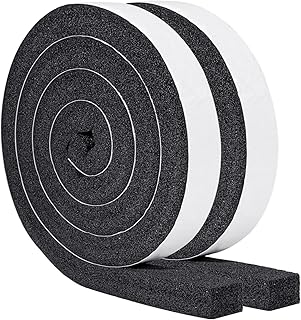
For a conventional window unit, the BLACK+DECKER Window Air Conditioner 12,000 BTU is a useful reference point because its side panels and frame illustrate the areas that usually need sealing. Pair a unit with compressible foam such as High Density Foam Tape Air Conditioner Window Seal or Yotache Air Conditioner Window Seal Kit. Both are designed for the narrow perimeter gaps commonly found around window AC installations.
For larger or more exposed openings, the 2 Pack Window Air Conditioner Side Panels can provide an additional barrier over unfinished side sections. SWRT 20 Mil Window Weather Sealing Tape is better suited to a durable outer or trim seal where a wider, weather-resistant strip is helpful. If you have a portable air conditioner rather than a window-mounted unit, the HOOMEE Universal Window Seal is the more appropriate style because it uses a zippered fabric panel around the exhaust hose.
1. Check the window and air conditioner first
Before applying tape, inspect the window frame, sash, sill, and the air conditioner’s side panels. Look for loose trim, cracked caulk, bent panels, or a sash that does not close evenly. Sealing over a structural problem often creates a temporary-looking patch and may trap moisture where it can damage painted wood or swell composite materials.
Confirm that the unit is installed according to its instructions, sits level from side to side, and is properly supported. A seal should close incidental gaps; it should not be used to hold up the appliance. Clean and dry every surface that will receive adhesive. Dust, grease, and condensation are the main reasons weather-stripping peels prematurely.
2. Measure the gaps, not just the window
Measure the exposed spaces on both sides of the unit, the top edge near the lowered sash, and any gap along the sill. Record the widest point of each opening. Foam tape is forgiving because it compresses, but a strip that is too thin will not make contact, while one that is too thick can prevent the window from closing securely.
Also measure the depth available for the seal. A one-inch foam strip may be suitable for a broad, uneven gap, but it can be excessive in a shallow channel. If the opening varies, use a narrower strip in the tight sections and layer material only where necessary. Buy a little extra so you can make continuous runs rather than joining multiple short scraps.
3. Install foam where the sash meets the unit
Foam weather-stripping is usually the simplest first layer. Cut each piece slightly longer than the gap, test-fit it, and then remove the adhesive backing gradually as you press it into place. Start at one end and work across the opening to avoid wrinkles and trapped air. Butt corners neatly; do not stretch the foam, since it may pull back after installation.
Place foam at the contact points between the lowered window sash and the air conditioner, along the side channels, and wherever daylight is visible. Avoid covering drainage openings or ventilation areas specified by the manufacturer. Once installed, close the sash gently and check that the foam compresses evenly without forcing the glass or frame out of alignment.
4. Cover the side panels and finish the perimeter
The accordion side panels supplied with many window units are convenient, but they are rarely airtight by themselves. Extend them fully, fasten them to the window frame, and inspect their folds for small openings. Supplemental side-panel covers can add insulation and improve the appearance of wide gaps, especially when the original panels are thin or warped.
Use wider sealing tape only after the foam layer is correctly positioned. A product such as SWRT 20 Mil tape can bridge a broader seam, but apply it to clean, smooth surfaces and press firmly along the entire length. Keep tape off painted areas that may be damaged during removal unless you have tested an inconspicuous spot. For a polished interior, trim excess material with a sharp utility knife and choose white, black, or frame-matched finishing material.
5. Test the seal and plan for removal
On a bright day, inspect the installation from indoors with the air conditioner running. Move your hand slowly around the frame to feel for warm air movement. A smoke pencil or a thin strip of tissue can reveal drafts, but keep anything loose away from the fan intake and electrical components.
Listen for rattling as the compressor cycles. If the unit vibrates, tighten its mounting hardware and check the support rather than simply adding more tape. At the end of the cooling season, remove adhesive slowly and parallel to the surface. Clean remaining residue with a method suitable for the window material, and store reusable panels flat so they do not crease.
Tips
- Seal from the room side first, then inspect the exterior for rain exposure and open seams.
- Do not block the air conditioner’s drainage path, rear grille, or required clearance.
- Use removable foam or tape on rental windows, and test all adhesives before committing to a long strip.
- For a neater room, coordinate the seal color with the window frame and conceal visible edges behind a simple curtain or roller shade.
Frequently Asked Questions
What is the best material for sealing a window AC?
Compressible foam weather-stripping is the best general-purpose choice for the small gaps around the sash and frame. Wider weather-sealing tape can finish larger seams, while rigid side-panel covers help when the factory accordion panels leave substantial openings.
Should I seal a window air conditioner from inside or outside?
Start indoors, where you can accurately see the sash, side panels, and room-side drafts. An exterior inspection is still worthwhile for rain protection, but do not cover drainage holes or alter the unit’s ventilation and mounting arrangement.
Can I use expanding spray foam around a window AC?
It is usually a poor choice for a seasonal installation. Expanding foam can spread into moving parts, adhere aggressively to the frame, and make removal or service difficult. Removable foam tape and purpose-made panels offer more control.
How often should the seal be replaced?
Inspect it whenever you reinstall the unit and replace it when the foam is flattened, brittle, damp, peeling, or no longer springs back after compression. A clean, dry installation can last through a season or longer, depending on sunlight, humidity, and removal frequency.
Conclusion
The best window AC seal is not the thickest or most permanent one; it is a carefully measured combination of foam, secure side panels, and a clean finishing layer. Install the unit correctly, seal only the unintended gaps, and choose removable materials that suit your window frame. The result will feel cooler, quieter, and considerably more finished—exactly the kind of practical improvement an interior-focused home deserves.