Key takeaways
- Place a pillow between your knees to keep your hips and spine more comfortably aligned while side sleeping.
- Use a breathable mattress protector over the topper to guard against spills without adding excessive stiffness.
- Rotate the topper occasionally if the care instructions allow it, especially when one side of the bed receives more use.
- Give compressed foam adequate expansion time and test it during the product’s stated return window.
What's inside
Side sleeping can feel luxurious when your mattress has the right amount of give, but an overly firm surface often creates pressure at the shoulder and hip. A topper is a practical way to soften that first impression without replacing the entire mattress—and it can also refresh a guest room or help coordinate an older bed with a more polished, layered look.
The best mattress topper for a side sleeper depends on your body weight, sleeping temperature, existing mattress, and preferred feel. This guide explains how to choose the right thickness and material, avoid common fit problems, and compare popular options with a decorator’s eye for comfort, finish, and everyday practicality.
As an Amazon Associate we earn from qualifying purchases.



Start With the Right Thickness
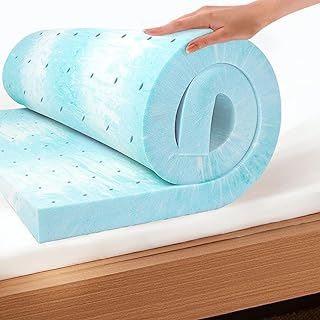
For most side sleepers, a topper between 2 and 4 inches thick offers the most useful balance. A 2-inch layer, such as the Linenspa 2-Inch Gel Memory Foam Topper, can add noticeable cushioning while preserving much of the mattress’s original support. It is a sensible choice if your mattress is only slightly too firm or if you prefer a closer, less cloud-like feel.
A 3-inch topper generally provides deeper contouring around the shoulder and hip. The EGO 3-Inch Gel Memory Foam Topper is designed around pressure relief and may suit sleepers who want a more substantial buffer between their body and a firm mattress. Extra-thick designs, including the 5-inch WhatsBedding Bamboo Viscose Air Layer Topper, create a plush, high-profile bed. They can feel wonderfully cushioned, but they may also make getting in and out of bed less effortless and can reduce the sensation of support if your mattress is already soft.
Choose a Material That Matches Your Sleep Style
Memory foam is popular with side sleepers because it molds around curves and helps distribute weight. Gel-infused or ventilated foam may feel less warm than traditional dense foam, although no topper can guarantee cool sleep if your room, bedding, or mattress retains heat. Foam is also relatively quiet and stable, which is useful for couples who move around at different times.
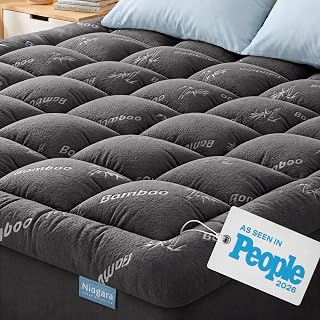
Fiber-filled and quilted toppers offer a softer, more traditional pillow-top sensation. The EASELAND Cotton Pillow Top Mattress Pad has a quilted cotton surface and washable construction, making it appealing for people who prioritize easy care and a crisp bedroom aesthetic. Bamboo-derived rayon or viscose covers, as seen on the Niagara Sleep Solution Ultra Soft & Cooling Topper and BEDLORE Viscose Bamboo Topper, can feel smooth and breathable against the sheets. Remember that “cooling” usually describes the fabric’s hand feel and airflow rather than active temperature control.
Look for Pressure Relief Without Losing Support
Your shoulder and hip should sink enough to reduce pressure, while your waist remains supported rather than sagging toward the mattress. If you wake with numbness, aching shoulders, or a feeling that your spine is curving downward, your topper may be too firm, too soft, or simply too thick for your mattress.
Side sleepers with a lighter build often need less material to achieve cushioning; a plush fiber topper or 2-inch foam layer may be sufficient. Heavier sleepers may prefer 3 inches of resilient foam, but should be especially careful with very soft constructions. A topper can improve surface comfort, but it cannot correct a mattress that is already visibly broken down or lacking structural support.
Measure Your Mattress and Bedding
Before buying, measure the mattress height, not just its length and width. A topper adds several inches, so fitted sheets must stretch over the combined depth. Deep-pocket designs such as the BEDLORE, Niagara, and EASELAND options are intended to accommodate taller mattress-and-topper combinations, but pocket ranges vary. Confirm the actual measurements rather than relying on the phrase “deep pocket.”
Also check whether the topper includes elastic straps, a fitted skirt, or only a nonslip underside. A topper that shifts during the night can create ridges and uneven support. In a styled bedroom, a smooth, properly fitted sheet is what keeps the finished bed looking tailored instead of lumpy.
Balance Comfort With Maintenance
Foam toppers commonly arrive compressed and need time to expand and air out before use. Follow the manufacturer’s ventilation and care instructions, and never cover a topper that is still expanding. Foam itself is usually spot-clean only, so a washable mattress protector is a worthwhile addition.
Quilted pads are often easier to launder and may be the better choice for allergy-conscious households, children’s rooms, or guest beds that need frequent refreshing. Consider your routine honestly: the softest topper is not necessarily the best purchase if it is difficult to keep clean or repeatedly slides out of place.
Tips
- Place a pillow between your knees to keep your hips and spine more comfortably aligned while side sleeping.
- Use a breathable mattress protector over the topper to guard against spills without adding excessive stiffness.
- Rotate the topper occasionally if the care instructions allow it, especially when one side of the bed receives more use.
- Give compressed foam adequate expansion time and test it during the product’s stated return window.
Frequently Asked Questions
What thickness is best for a side sleeper?
Most side sleepers do well with 2 to 4 inches. Choose 2 inches for gentle softening, around 3 inches for deeper pressure relief, and more than 4 inches only when you specifically want a very plush, high-profile surface.
Is memory foam or a pillow-top pad better?
Memory foam usually offers more targeted contouring and motion isolation. A fiber-filled pillow-top pad feels lighter, airier, and easier to wash, but it may compress sooner and provide less structured support around the hips and shoulders.
Will a mattress topper stop shoulder pain?
It may reduce pressure caused by a firm mattress, but pain can have many causes. If discomfort persists, worsens, or is accompanied by numbness, consult a healthcare professional rather than relying on bedding alone.
How do I keep a topper from moving?
Choose a fitted or strapped design that matches your mattress dimensions, use a correctly sized deep-pocket sheet, and ensure the mattress surface is clean and dry. A protector with a stable underside can also help reduce shifting.
Conclusion
The best mattress topper for a side sleeper is the one that cushions the shoulder and hip without allowing the midsection to sag. Start with the mattress you already own, then compare thickness, material, temperature feel, washable components, and pocket depth. For a tailored upgrade, consider a 2- or 3-inch foam topper; for an airy, easy-care pillow-top look, choose a quilted cotton or bamboo-derived option. The right layer should make your bed feel more inviting—and look thoughtfully finished, too.