Key takeaways
- Lie on your side and check that your neck remains level rather than tilted upward or downward.
- Ask whether your spine looks relatively straight from the neck through the hips.
- If your hip sinks much farther than your shoulder, choose a more supportive or thinner design.
- If your shoulder feels compressed, look for additional cushioning rather than simply a firmer mattress pad.
What's inside
Side sleeping can feel wonderfully cocooning, but it also creates concentrated pressure at the shoulder and hip. If your mattress is too firm, you may wake with numbness or an aching lower back; if it is too soft, your torso can sink out of alignment. A well-chosen topper is one of the simplest ways to fine-tune that balance without replacing the entire bed—and it can add a layer of texture and comfort that makes the bedroom feel more inviting, too.
This guide explains what side sleepers should look for in 2026, from pressure-relieving materials and thickness to cooling performance, edge fit, and care. I’ll also point out where each style works best, so you can choose a topper that suits both your sleep position and your home’s everyday needs.
As an Amazon Associate we earn from qualifying purchases.



Our Recommended Picks
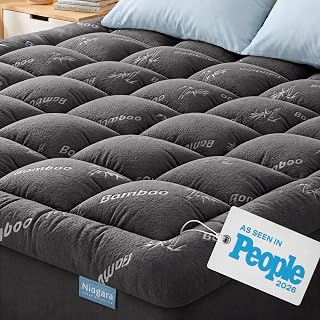
For a plush, breathable mattress-pad feel, the BEDLORE Queen Mattress Topper Viscose Bamboo is a practical place to start, especially if you prefer a softer surface and need stretchable pockets for a deeper mattress. The Niagara Sleep Solution Ultra Soft & Cooling Mattress Topper offers a similar pillow-top direction in a queen size, while the Full Size Ultra Soft & Cooling Mattress Topper is the natural choice for a full bed.
If your shoulders and hips need more structured cushioning, consider a three-inch foam design. The PERLECARE 3 Inch Gel Memory Foam Mattress Topper combines pressure-relieving foam with a removable cover, while the ViscoSoft 3 Inch Memory Foam Mattress Topper uses high-density ventilated foam and a removable rayon cover. The VALUXE 3 Inch Gel Memory Foam Mattress Topper is another option for shoppers who want a substantial foam layer with a removable, washable bamboo cover.
Choose the Right Thickness
Thickness determines how dramatically a topper changes your bed. A padded fiber or bamboo-derived cover can add softness without greatly altering the mattress’s support. That is useful when your existing mattress already feels reasonably supportive but lacks surface cushioning. For a noticeably softer side-sleeping nest, a two- to three-inch foam topper usually provides more room for the shoulder and hip to sink in.
Three inches is not automatically better, however. A very plush topper can make it harder to move and may allow the pelvis to dip too far, particularly for lighter mattresses or sleepers who change positions during the night. If your mattress is already soft, start with a thinner padded topper; if it is firm and creates pressure points, a thicker foam layer is more likely to make a meaningful difference.
Prioritize Pressure Relief and Spinal Alignment
Side sleepers generally need enough give at the shoulder and hip, with dependable support through the waist. Memory foam is popular because it contours around those wider pressure zones, but density and feel vary. A slower, denser foam can feel deeply cradling; a more responsive foam may make turning easier. Gel infusions and ventilation may help manage the warmth associated with foam, although no topper can guarantee a cool night for every sleeper.
- Lie on your side and check that your neck remains level rather than tilted upward or downward.
- Ask whether your spine looks relatively straight from the neck through the hips.
- If your hip sinks much farther than your shoulder, choose a more supportive or thinner design.
- If your shoulder feels compressed, look for additional cushioning rather than simply a firmer mattress pad.
Match the Topper to Your Sleep Temperature
Material choice matters if you tend to overheat. Fiber-filled and rayon- or bamboo-derived covers often feel airy and less enveloping than solid foam, making them appealing for warm bedrooms. Foam toppers can still work well for hot sleepers when they include ventilation, gel features, or a breathable removable cover. Your sheets, mattress protector, room temperature, and duvet can have as much influence as the topper itself, so consider the entire bedding arrangement.
From an interior-styling perspective, a washable cover is especially valuable. It keeps the sleep surface fresher and makes seasonal changes easier: use a lighter cotton or linen sheet set in summer, then layer with flannel or a warmer blanket in winter without needing to replace the topper.
Check Fit, Care, and Practical Details
Measure your mattress before buying, including its height and any existing pad. Deep-pocket designs such as the BEDLORE and Niagara options are useful when you have a tall mattress, but excess fabric can bunch on a slimmer bed. Foam toppers should lie flat and have enough room around them for the fitted sheet to grip securely. A non-slip underside or textured base can reduce shifting, though a properly fitted sheet remains important.
Read the care instructions closely. Many foam toppers have removable, washable covers, but the foam core itself is not usually machine washable. New foam may also need time to expand and air out after unpacking. Allow the manufacturer’s recommended settling period before judging its final height or comfort, and confirm the return policy in case the firmness does not suit your body.
Tips
- Rotate the topper periodically if the manufacturer permits it, helping distribute wear over time.
- Use a breathable mattress protector that does not compress the topper’s cushioning.
- Place a pillow between your knees to reduce twisting through the hips and lower back.
- Give a new foam topper several hours—or the stated expansion period—to air out before dressing the bed.
Frequently Asked Questions
What firmness is best for side sleepers?
Most side sleepers prefer medium-soft to medium cushioning, but body weight and the mattress underneath matter. The goal is enough softness to relieve shoulder and hip pressure without allowing the midsection to sag. A topper is a way to adjust the feel, not a substitute for proper alignment.
Is memory foam or a pillow-top pad better?
Memory foam is generally better for pronounced pressure relief and contouring. A pillow-top pad is often preferable if you want a lighter, more breathable layer or only modest softness. If you sleep hot or dislike a slow-sinking feel, begin by comparing padded fiber designs with ventilated foam.
How thick should a mattress topper be?
Two to three inches is a useful range for many side sleepers. Choose closer to two inches when you want a subtle change or already have a soft mattress. Choose three inches when the mattress is firm and your shoulder or hip needs more room to settle.
Will a topper fix back pain?
It may reduce discomfort caused by an overly firm or uneven sleep surface, but it cannot diagnose or treat back pain. Persistent, severe, or worsening pain deserves advice from a qualified healthcare professional. Stop using a topper if it increases discomfort or causes new numbness.
Conclusion
The best mattress topper for side sleepers is the one that cushions the shoulder and hip while keeping the spine supported. Choose thickness according to your existing mattress, favor breathable construction if you sleep warm, and pay close attention to fit and washable covers. Whether you prefer the airy softness of a bamboo-style pad or the deeper contour of a three-inch foam topper, a thoughtful layer can make your bed feel more comfortable—and look more polished—without a complete bedroom overhaul.