Key takeaways
- Clean high-contact areas such as arms and headrests more frequently than the sofa’s lower panels.
- Use separate cloths for cleaning and conditioning so dirt is not worked back into the leather.
- Keep the sofa out of prolonged direct sun; UV exposure can fade color and accelerate drying.
- Rotate and fluff removable cushions regularly to reduce uneven wear and compression.
What's inside
A leather sofa can anchor a room with the ease of a beautiful vintage piece, but it also shows neglect quickly: dusty seams look dull, spills leave dark patches, and over-dry leather may begin to crack. The best cleaning routine is gentle, consistent, and suited to the sofa’s finish—not a one-size-fits-all scrub.
This guide explains how to clean and condition a leather sofa safely, how to identify the right products, and which habits help preserve its color, softness, and polished appearance. You’ll also find practical buying advice for cleaners, conditioners, and cloths that earn their place in a well-kept interior.
As an Amazon Associate we earn from qualifying purchases.




1. Identify the Leather Before Cleaning
Start by checking the sofa’s care label or manufacturer’s instructions. Most household sofas use finished or protected leather, which has a sealed surface and is relatively forgiving. Aniline and semi-aniline leather are more absorbent, so they need products specifically approved for those finishes. Suede, nubuck, and distressed leather require different care and should not be treated with an ordinary leather cream.
If you cannot find a label, inspect an inconspicuous area such as the underside of a cushion. Place one tiny drop of distilled water on the surface. If it beads, the leather is likely protected; if it darkens or absorbs quickly, seek finish-specific advice before applying cleaner. This simple test is not definitive, but it helps prevent an unsuitable product from becoming an expensive mistake.
2. Remove Dust and Surface Debris
Vacuum the sofa before introducing any moisture. Use a soft brush attachment and lower suction around stitching, piping, button tufting, and the gaps between cushions. Grit left on the surface can act like fine sandpaper when rubbed with a cloth.
For everyday dust, a clean, dry microfiber cloth is often enough. Work from the top of the sofa downward, then vacuum beneath removable cushions. If a crumb or grain is lodged in a seam, lift it out gently with a soft brush rather than dragging a sharp object across the leather.
3. Apply Leather Cleaner Sparingly
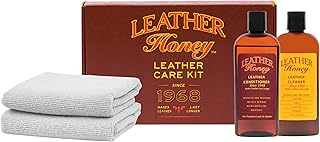
Choose a cleaner formulated for finished leather and follow its label instructions. Weiman Leather Cleaner & Conditioner is a convenient option for sofas and other finished leather surfaces, while Leather Honey Complete Leather Care Kit includes cleaner, conditioner, and cloths for a more complete setup. A Leather Cleaner and Conditioner Kit with separate accessories can also be useful if you prefer having dedicated tools for furniture care.
Never saturate the sofa. Put a small amount of cleaner onto a soft cloth—not directly onto the upholstery—and work in small sections using light, overlapping motions. Avoid vigorous scrubbing, which can disturb the finish or spread grime into the grain. Turn the cloth frequently so you are lifting dirt away rather than redistributing it.
After cleaning, wipe away residue with a barely damp cloth if the product instructions recommend it. Allow the leather to air-dry naturally before conditioning. Keep the sofa away from radiators, hair dryers, fireplaces, and strong direct sunlight during this stage.
4. Condition Without Leaving a Greasy Film
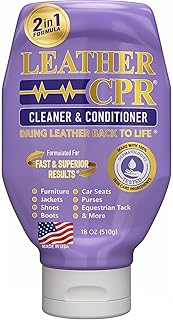
Conditioner helps replenish softness and provides a protective finish, but more is not better. Apply a thin, even layer to clean, dry leather with a fresh cloth. Leather CPR Cleaner and Conditioner is designed as a combined step, while Leather Honey Leather Conditioner is a dedicated option for restoring and protecting many leather items. Both types should be patch-tested first, especially on pale, matte, or unusually textured upholstery.
Let the conditioner absorb for the time specified by the manufacturer, then buff gently with a dry cloth. If the surface feels slick after several hours, you have probably applied too much. A thin application every few months is generally more useful than a heavy treatment once a year.
5. Treat Spills and Marks Carefully
For a fresh spill, blot immediately with a clean, absorbent cloth. Do not rub, and do not reach first for household detergents, disinfectant wipes, vinegar, alcohol, or furniture polish. These can strip color, dry the leather, or leave a visible halo.
Once the liquid is lifted, allow the area to dry naturally and reassess it. Stubborn ink, dye transfer, grease, and deeply set stains may need a professional leather specialist. Trying several products in succession often creates more damage than the original mark. Before using any cleaner, test it in a hidden area and wait until it is fully dry to judge the result.
Tips
- Clean high-contact areas such as arms and headrests more frequently than the sofa’s lower panels.
- Use separate cloths for cleaning and conditioning so dirt is not worked back into the leather.
- Keep the sofa out of prolonged direct sun; UV exposure can fade color and accelerate drying.
- Rotate and fluff removable cushions regularly to reduce uneven wear and compression.
Frequently Asked Questions
How often should I clean a leather sofa?
Dust and vacuum it weekly, especially around seams and beneath cushions. A deeper clean followed by light conditioning is usually appropriate every three to six months, depending on usage, household traffic, pets, and the manufacturer’s guidance.
Can I use baby wipes on leather?
It is best not to. Baby wipes may contain detergents, oils, or preservatives that affect the leather’s finish. Use a product labeled for your leather type, applied sparingly to a cloth.
Should I clean or condition first?
Always clean first, then let the surface dry before conditioning. Conditioner applied over dust or body oils can trap grime and create an uneven, dull finish.
Why does my leather sofa feel sticky after treatment?
Sticky leather usually indicates excess product, incomplete drying, or residue from an unsuitable cleaner. Wipe gently with a clean cloth according to the product directions, allow plenty of air circulation, and avoid adding more conditioner until the surface feels normal.
Conclusion
The best way to clean a leather sofa is a restrained routine: vacuum gently, test products, use small amounts of leather cleaner, blot spills promptly, and condition only when the leather needs it. Reliable options such as Weiman Leather Cleaner & Conditioner, Leather Honey’s complete kit, Leather CPR, or a dedicated Leather Honey conditioner can simplify the process—but technique matters as much as the bottle. With modest, regular care, your sofa can keep the supple texture and quietly luxurious finish that made it the room’s centerpiece in the first place.