Key takeaways
- Seat comfort: Look for generous cushioning with enough resilience to prevent you from sinking onto the chair base. Memory foam or pocket-spring construction can feel more supportive during extended sitting.
- Seat dimensions: A seat should support your thighs without pressing behind your knees. Wider, deeper models may suit larger frames, while a compact chair can make it easier for smaller users to keep both feet planted.
- Adjustability: Height, tilt, armrests, and lumbar support help you create a position that reduces strain. The ability to adjust the chair is often more useful than simply choosing the softest seat.
- Pressure distribution: A contoured cushion or coccyx-friendly design may reduce concentrated pressure around the tailbone and hips. Add-on cushions are a practical option for improving an existing chair.
- Room-friendly design: Consider upholstery, visual bulk, and wheel quality alongside comfort. A chair that complements your desk and décor is more likely to remain a long-term part of your workspace.
What's inside
Hip pain can turn an otherwise productive workday into a constant search for a better sitting position. The culprit is not always the chair itself: a firm seat edge, shallow cushion, poor pelvic support, or a seat that leaves your legs dangling can all increase pressure around the hips and tailbone.
This guide looks at office seating from an interior-styling enthusiast’s perspective, balancing ergonomic features with the way a chair actually fits into a polished home office. I’ve focused on seat construction, adjustability, lumbar support, weight capacity, and the practical value of adding a cushion when replacing a full chair is not necessary.
As an Amazon Associate we earn from qualifying purchases.


How to Choose an Office Chair For Hip Pain (2026)
- Seat comfort: Look for generous cushioning with enough resilience to prevent you from sinking onto the chair base. Memory foam or pocket-spring construction can feel more supportive during extended sitting.
- Seat dimensions: A seat should support your thighs without pressing behind your knees. Wider, deeper models may suit larger frames, while a compact chair can make it easier for smaller users to keep both feet planted.
- Adjustability: Height, tilt, armrests, and lumbar support help you create a position that reduces strain. The ability to adjust the chair is often more useful than simply choosing the softest seat.
- Pressure distribution: A contoured cushion or coccyx-friendly design may reduce concentrated pressure around the tailbone and hips. Add-on cushions are a practical option for improving an existing chair.
- Room-friendly design: Consider upholstery, visual bulk, and wheel quality alongside comfort. A chair that complements your desk and décor is more likely to remain a long-term part of your workspace.
The Best Office Chair For Hip Pain (2026)s Reviewed
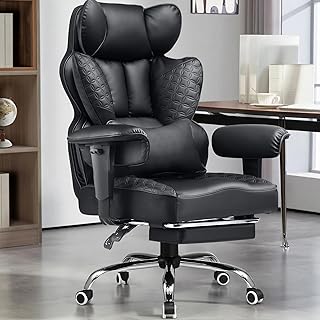
GTPLAYER Big and Tall Gaming Chair
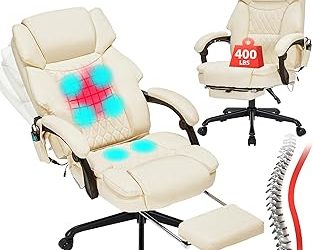
The GTPLAYER combines a wide, high-back profile with a 400-pound capacity, a footrest, and a saddle-shaped cushion supported by pocket springs. Its substantial gaming-chair silhouette may suit a larger office or studio, while the reclining features give you more ways to vary posture throughout the day.
Lexeme X Large Memory Foam Seat Cushion
For a chair that is structurally sound but uncomfortable, the Lexeme cushion is an appealing upgrade. Its larger memory-foam format and coccyx-focused shape are designed to spread pressure across the sitting surface, making it useful in an office chair, car, wheelchair, or reading nook.
CIOMAN 500lbs Big and Tall Office Chair
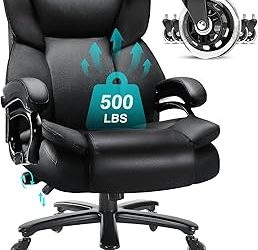
The CIOMAN takes a more executive approach, pairing a wide high-back seat with a 500-pound capacity, rocking function, rubber wheels, and inflatable lumbar support. That adjustable lumbar element is especially practical if your lower-back needs change during the day, though its larger proportions call for a generously sized desk area.
Ergonomic Office Chair with Virgin Foam Seat
This white-and-gold chair offers a softer visual alternative to the usual black mesh or gaming aesthetic. Its virgin-foam seat, adjustable lumbar support, headrest, and tilt-and-rock mechanism make it a strong choice for a refined home office where comfort needs to coexist with decorative appeal.
Memory Foam Sitting Pillow for Office Chair
This portable seat cushion is designed for people who need targeted support without replacing their chair. The memory-foam construction and coccyx, sciatica, and hip-pain positioning make it easy to test a different seat feel at your desk, in the car, or while traveling.
Frequently Asked Questions
Can an office chair really help with hip pain?
A well-adjusted chair can reduce pressure and encourage a more neutral sitting position, but it is not a treatment for every cause of hip pain. If discomfort is persistent, severe, or accompanied by numbness or weakness, consult a qualified healthcare professional.
Is a firm or soft seat better for sore hips?
Neither extreme is ideal for everyone. A supportive seat with moderate cushioning usually works best: it should conform slightly without allowing your pelvis to collapse or leaving you in contact with the hard chair frame.
How high should my office chair be?
Set the height so your feet rest flat on the floor and your knees are roughly level with, or slightly lower than, your hips. If the chair is too high, use a footrest rather than allowing your legs to hang unsupported.
Should I choose a cushion or replace my chair?
Try a cushion first when the chair has good height, armrest, and back adjustments but lacks comfortable seat padding. Replacement makes more sense when the seat is too narrow, the base is unstable, or the chair cannot support a balanced posture.
Final Thoughts
For a substantial all-day setup, the GTPLAYER Big and Tall Gaming Chair and CIOMAN 500lbs Office Chair stand out for their generous dimensions and supportive features. If you prefer a lighter visual footprint or want to improve an existing seat, the Lexeme X Large Memory Foam Cushion is a smart, flexible starting point.