Key takeaways
- Remove cushions, throws, and decorative accessories so every accessible surface can be cleaned evenly.
- Vacuum slowly using an upholstery attachment, including seams, piping, the underside of cushions, and the gap between the seat and arms.
- Check for loose threads, worn patches, exposed filling, or unstable dye before applying moisture.
- Test the chosen solution on a hidden area. Let it dry fully and check for colour change, stiffness, or water marking.
What's inside
A well-kept sofa does more than look inviting: it helps a room feel finished, protects a substantial investment, and prevents everyday dust, body oils, food residue, and pet mess from becoming permanent. The best cleaning method depends on the upholstery itself, so a little label-checking is more valuable than reaching for the strongest product in the cupboard.
This guide explains how to clean a sofa safely and thoroughly, from identifying the fabric code to drying the cushions properly. You’ll also find practical advice on choosing a portable upholstery cleaner, when to use a machine rather than hand-cleaning, and how to deal with stains without damaging the texture or colour.
As an Amazon Associate we earn from qualifying purchases.



Recommended Picks
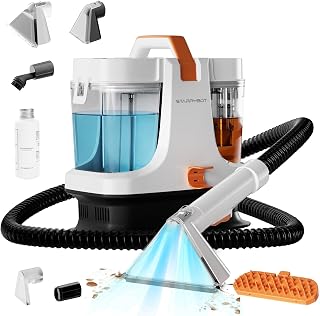
For routine spills and occasional deep cleaning, portable extractors are usually the most useful equipment for a home. They spray a controlled amount of solution, agitate the fabric, and lift moisture and loosened soil into a recovery tank. The Shark StainStriker Portable Carpet/Upholstery Cleaner is a versatile option with several tools for upholstery, crevices, and pet messes. For a compact alternative, consider the WECLEAN C1 Portable Extractor, designed for couch and carpet cleaning with a deep-cleaning solution.
Other worthwhile formats include the Uwant 18Kpa Upholstery Cleaner, supplied with three brush heads and pet-focused accessories, and the Starrybot Upholstery Cleaner Machine, a portable spot extractor for sofas, carpets, cars, and pet stains. The Uwant Carpet Cleaner Machine 18Kpa Portable Carpet Cleaner offers a larger 2.4-litre water-tank setup, while the 450W Carpet Cleaner Machine Upholstery is aimed at small furniture, mattresses, car seats, and localised fabric cleaning. Check included tools, hose length, tank capacity, and replacement-solution availability before buying.
1. Check the Upholstery Cleaning Code
Look beneath the sofa cushions or along the frame for a care label. “W” generally indicates water-based cleaning is permitted; “S” calls for a solvent-based method; “WS” permits either, subject to the manufacturer’s instructions. “X” usually means vacuuming only and professional cleaning when necessary. If the label is missing, identify the sofa’s fabric and consult its care guide or the manufacturer before wet-cleaning.
Be especially cautious with velvet, silk, linen blends, viscose, antique upholstery, and fabrics with loose weaves. Water can cause rings, shrinkage, dye transfer, or texture changes. A professional upholstery cleaner is the safer choice for high-value or delicate pieces.
2. Prepare the Sofa Properly
- Remove cushions, throws, and decorative accessories so every accessible surface can be cleaned evenly.
- Vacuum slowly using an upholstery attachment, including seams, piping, the underside of cushions, and the gap between the seat and arms.
- Check for loose threads, worn patches, exposed filling, or unstable dye before applying moisture.
- Test the chosen solution on a hidden area. Let it dry fully and check for colour change, stiffness, or water marking.
Vacuuming first matters because wetting embedded dust can turn it into muddy residue. It also reveals the true location of stains, which may be less widespread than they initially appear.
3. Treat Stains Before Deep Cleaning
Blot fresh spills with a clean white cloth rather than rubbing them into the fibres. Work from the outside edge toward the centre to reduce spreading. Solid debris should be lifted with a spoon or blunt edge once it has dried; avoid scraping aggressively.
Use a fabric-safe upholstery solution that matches the sofa’s care code. Apply it sparingly, allow the recommended dwell time, and blot or extract as directed. Do not combine bleach, ammonia, vinegar, enzyme products, or other cleaners unless the manufacturer explicitly says they are compatible. Different chemicals can damage fibres or create irritating fumes.
4. Use an Upholstery Cleaner Without Over-Wetting
Fill the machine with the specified amount of water and cleaning solution. Excess detergent can leave a sticky film that attracts more soil, while too much water can soak the padding and create a slow-drying environment. Work in small sections, keeping strokes controlled and overlapping slightly.
Make a slow spray-and-extract pass, followed by one or two extraction-only passes if the machine allows it. Keep the tool moving rather than holding it in one place. Use a narrow attachment for seams and a wider head for seat cushions. Avoid saturating wooden trim, metal mechanisms, labels, or areas where the upholstery is stapled.
5. Dry, Inspect, and Reset the Room
Drying is part of the clean, not an afterthought. Stand cushions on their edges, improve air circulation with open windows or a fan, and avoid sitting on the sofa until the fabric and padding are completely dry. Do not use intense heat directly on upholstery, as it may shrink fibres or affect adhesives.
Once dry, inspect the sofa in natural light. Some marks need a second targeted treatment, but repeated wet cleaning can do more harm than good. Rinse removable machine parts, empty the recovery tank, clean the brush head, and allow hoses and tanks to dry before storage. A clean machine prevents yesterday’s odour from returning to tomorrow’s sofa.
Tips
- Clean one cushion or one inconspicuous panel first; a small test can prevent a costly whole-sofa mistake.
- Use white or colourfast cloths so dye does not transfer onto pale upholstery.
- Keep pets and children away until the fabric is fully dry and all cleaning products are stored safely.
- Refresh high-contact areas regularly with vacuuming instead of repeatedly shampooing the entire sofa.
Frequently Asked Questions
How often should I deep-clean a sofa?
Vacuum weekly or whenever dust and crumbs accumulate. Deep-clean fabric upholstery roughly once or twice a year, with additional spot treatment for homes with pets, children, allergies, or frequent entertaining. Follow the manufacturer’s care schedule if it differs.
Can I use a carpet cleaner on a sofa?
Only if the machine is designed for upholstery and has a suitable tool. A sofa attachment gives better control than a large carpet head, and the lower water volume helps reduce the risk of over-wetting. Always follow both the sofa and machine instructions.
Why does my sofa smell after cleaning?
Odour can result from over-wetting, detergent residue, or padding that has not dried completely. Increase airflow, extract additional moisture if the fabric permits, and avoid adding more fragrance. Persistent mustiness may indicate moisture within the cushion or an underlying issue requiring professional attention.
What is the safest way to clean a “dry clean only” sofa?
Vacuum it gently and treat only as directed by the care label, usually with an approved solvent method or professional service. Do not experiment with water-based extraction on “S” or “X” upholstery unless the manufacturer has specifically approved it.
Conclusion
The best way to clean a sofa is a measured one: identify the fabric, vacuum thoroughly, test products, treat stains gently, and use as little moisture as practical. A portable upholstery extractor can make routine deep cleaning easier, but careful technique matters more than maximum suction or the most powerful formula. Finish by drying the sofa completely, and it should look fresher without losing the texture and character that make it work in your room.