Key takeaways
- Material and Thickness: PVC diamond-plate rolls around 2.2–2.8 mm offer solid chemical resistance, while commercial-grade polypropylene tiles handle heavier rolling loads and won’t delaminate under hot tires.
- Installation Method: Interlocking tiles snap together with zero adhesive—ideal if you rent or want a DIY weekend project. Roll-out mats need double-sided tape to stay put and work best on clean, level slabs.
- Drainage and Moisture: Open-grid tile designs like free-flow systems let water, dirt, and debris drop through to the concrete beneath. Solid mats trap moisture underneath, so proper slab grading matters.
- Load Capacity: A daily-driven SUV demands different flooring than a weekend project car. Tiles rated at 40,000–80,000 lbs of rolling load capacity will handle anything residential.
- Aesthetics and Maintenance: Pearl grey and black tiles create a showroom-quality look, while diamond-plate mats lean utilitarian. Mats win on wipe-down speed; tiles win on replaceability of individual sections.
What's inside
Most garages end up as an afterthought—cracked concrete stained with oil, tire marks ground into the slab, and zero personality. You pull your car in every night and close the door, pretending the floor doesn’t look like a forgotten basement. The truth is, upgrading your garage flooring is one of those rare home improvements that transforms both function and curb-appeal confidence. It protects the substrate, makes cleanup effortless, and honestly makes you want to actually spend time out there.
But shopping for garage flooring in 2026 means navigating a dizzying split between two philosophies: do you roll out a continuous mat or tile the space piece by piece? Each approach has trade-offs in durability, drainage, installation ease, and long-term aesthetics. I’ve tested and compared the strongest contenders on the market right now to help you pick the one that actually fits your space and how you use it.
As an Amazon Associate we earn from qualifying purchases.



How to Choose Flooring For Garage (2026)
- Material and Thickness: PVC diamond-plate rolls around 2.2–2.8 mm offer solid chemical resistance, while commercial-grade polypropylene tiles handle heavier rolling loads and won’t delaminate under hot tires.
- Installation Method: Interlocking tiles snap together with zero adhesive—ideal if you rent or want a DIY weekend project. Roll-out mats need double-sided tape to stay put and work best on clean, level slabs.
- Drainage and Moisture: Open-grid tile designs like free-flow systems let water, dirt, and debris drop through to the concrete beneath. Solid mats trap moisture underneath, so proper slab grading matters.
- Load Capacity: A daily-driven SUV demands different flooring than a weekend project car. Tiles rated at 40,000–80,000 lbs of rolling load capacity will handle anything residential.
- Aesthetics and Maintenance: Pearl grey and black tiles create a showroom-quality look, while diamond-plate mats lean utilitarian. Mats win on wipe-down speed; tiles win on replaceability of individual sections.
The Best Flooring For Garage (2026) Reviewed
Swisstrax Ribtrax PRO Tiles
These pearl grey polypropylene tiles deliver the kind of clean, gallery-floor aesthetic that makes your garage feel like a design studio rather than a storage unit. The snap-together system requires zero adhesive, and the commercial-grade material shrugs off oil, grease, and hot-tire transfer. If visual polish is your priority, this is the benchmark.
SnapLock RaceDeck Free-Flow Tiles
Built in the USA with an open-grid self-draining design, RaceDeck tiles handle an astonishing 80,000-lb rolling load. They’re engineered for garages that see everything from lifted trucks to workshop equipment. Installation is genuinely tool-free, and the drainage system eliminates the standing-water headaches that plague solid-floor options.
Armor All Jumbo XXL Mat
At over 22 feet long, this absorbent mat covers the full length of a standard two-car driveway lane without seams. It’s waterproof, oil-spill resistant, and made in the USA with included double-sided tape for secure placement. For anyone who wants maximum floor protection with minimal commitment, this is the lowest-friction upgrade available.
VEVOR Garage Floor Roll
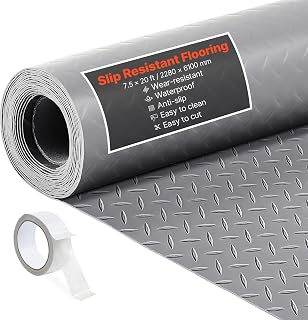
The VEVOR roll delivers diamond-plate texture and 2.2 mm PVC protection at a price that makes it hard to argue against. It ships with double-sided tape, cleans up easily with a hose, and the silver-grey finish brightens a dark garage considerably. This is the sweet spot between cost and capability for most homeowners.
Budget Interlocking Garage Tiles (12×12, 48-Pack)
For garages doubling as workshops or basements on a tighter budget, these modular plastic tiles offer 40,000-lb load capacity with oil and stain resistance baked into the material. They won’t match the finish quality of Swisstrax, but they tile the same square footage for a fraction of the cost—and they still look far better than bare concrete.
Frequently Asked Questions
Can garage flooring tiles handle hot tires?
Yes, polypropylene tiles like Swisstrax and RaceDeck are specifically engineered to resist hot-tire pickup, which is the leading cause of failure in paint-based floor coatings. PVC mats also perform well, though extremely hot tires on cheaper vinyl can occasionally leave marks.
Do I need to prep my concrete before installing?
Both mats and tiles perform best on clean, relatively level concrete. Sweep thoroughly, address any major cracks, and ensure the slab slopes toward your drain. No acid etching or special primers are required—the whole point of these products is avoiding that headache.
How do I clean interlocking garage tiles?
Open-grid designs let debris fall through to the slab below, where you can shop-vac or sweep periodically. Solid tiles and mats just need a mop or pressure washer. Either way, maintenance takes minutes compared to traditional epoxy coatings.
Which option is best for a home gym in the garage?
Interlocking tiles with a slightly textured surface provide the best grip and cushion for workouts. Swisstrax Ribtrax PRO is popular in home gyms specifically because the raised rib pattern adds traction without being abrasive underfoot.
Final Thoughts
If I had to narrow it to three picks, the Swisstrax Ribtrax PRO wins for show-quality aesthetics, the SnapLock RaceDeck Free-Flow wins for heavy-duty drainage and load handling, and the Armor All Jumbo XXL wins for anyone who wants instant protection with zero installation drama. Your garage deserves better than bare concrete—and in 2026, making that happen is genuinely a weekend project.